

Resurrection mixed martial arts academy and the new visibility of everyday fight preparation
Search interest in resurrection mixed martial arts academy is increasingly tied to a broader shift in how MMA gyms present themselves in 2026, not through press releases or formal fight announcements, but through short, high-frequency social posts that reveal training intensity, coaching access and even equipment choices in near real time. Over the past week, a cluster of Instagram posts from verified and fight community accounts highlights the modern gym economy: athletes and coaches market their work ethic, brands push product trials, and audiences respond with a mix of praise, critique and very specific performance demands.
The most immediate signal is a training clip posted by jaguarstriking, verified, captioned “Amazing Sunday Work” and tagged with #ufc, #mma and #fitness. The post shows a session involving marwanrahiki and draws 2.6K likes, 43 comments and a steady stream of feedback that focuses on conditioning and wrestling. In parallel, a separate post from evanmaag_ frames a gear review as content, testing YIBUKO MMA gloves and offering a checkout code. A third post from solomonpollet_ documents a session with seanhammamartin at hamma_academy_, adding a clear competitive timeline: “Coming for gold in 2 weeks”.
None of these posts explicitly names resurrection mixed martial arts academy. Yet together they illustrate what people often want when they search for a specific MMA academy in 2026: evidence of training quality, the culture inside the room, the coaching network around athletes, and practical cues about what is valued, cardio, wrestling, sharpness, and the tools used to build it. For any gym building reputation, including resurrection mixed martial arts academy, the lesson is that the story is now told through the daily grind, and the comment section is part of the public record.
Inside the week’s most telling training clip: “Amazing Sunday Work” and what the comments reveal
The jaguarstriking post is a familiar format in MMA media, a short burst of training footage packaged as motivation and proof of work. Its performance is measurable: 2.6K likes and 43 comments within roughly 18 hours of posting, according to the on-screen indicators. The caption is minimal, but the tags are strategic, #ufc and #mma are not just descriptors, they are discovery tools, placing the content into the algorithmic streams where fighters, fans and gyms compete for attention.

The comments are where the post becomes more than a highlight. Several replies push a consistent message: conditioning is non negotiable. One commenter writes, “Cardio marwan”, while others repeat the theme, including a line that translates in spirit to a demand to show cardio work. Another commenter adds a blunt technical note, “Wrestling bro”. This is not casual heckling. It is the modern audience acting like an informal performance department, identifying perceived gaps and reinforcing the sport’s current meta, where wrestling and pace often decide outcomes as much as striking aesthetics.
There is also a telling aspirational reference: “Send him 2_3 years dagestan and forget”. Even without additional context, the meaning is clear in MMA culture. Dagestan has become shorthand for elite grappling systems and relentless conditioning. The comment functions as a cultural benchmark, a way of saying that the training shown is impressive, but the gold standard remains a specific style of preparation associated with dominant wrestling regions. For an academy like resurrection mixed martial arts academy, this kind of discourse matters because it shapes what prospective students and local competitors expect to see: not only striking flair, but evidence of wrestling rounds, cardio blocks and hard, repeatable systems.
Resurrection mixed martial arts academy in a market where gyms are judged by systems, not slogans
In 2026, MMA academies are evaluated less by branding and more by whether their training systems are legible to outsiders. That does not mean every gym must publish full programmes. It means the public wants signals: who is training with whom, what skills are being prioritised, and whether the environment produces measurable improvement. The jaguarstriking clip demonstrates how quickly an audience moves from admiration to assessment, praising intensity with fire emojis, then pivoting to specifics like cardio and wrestling.
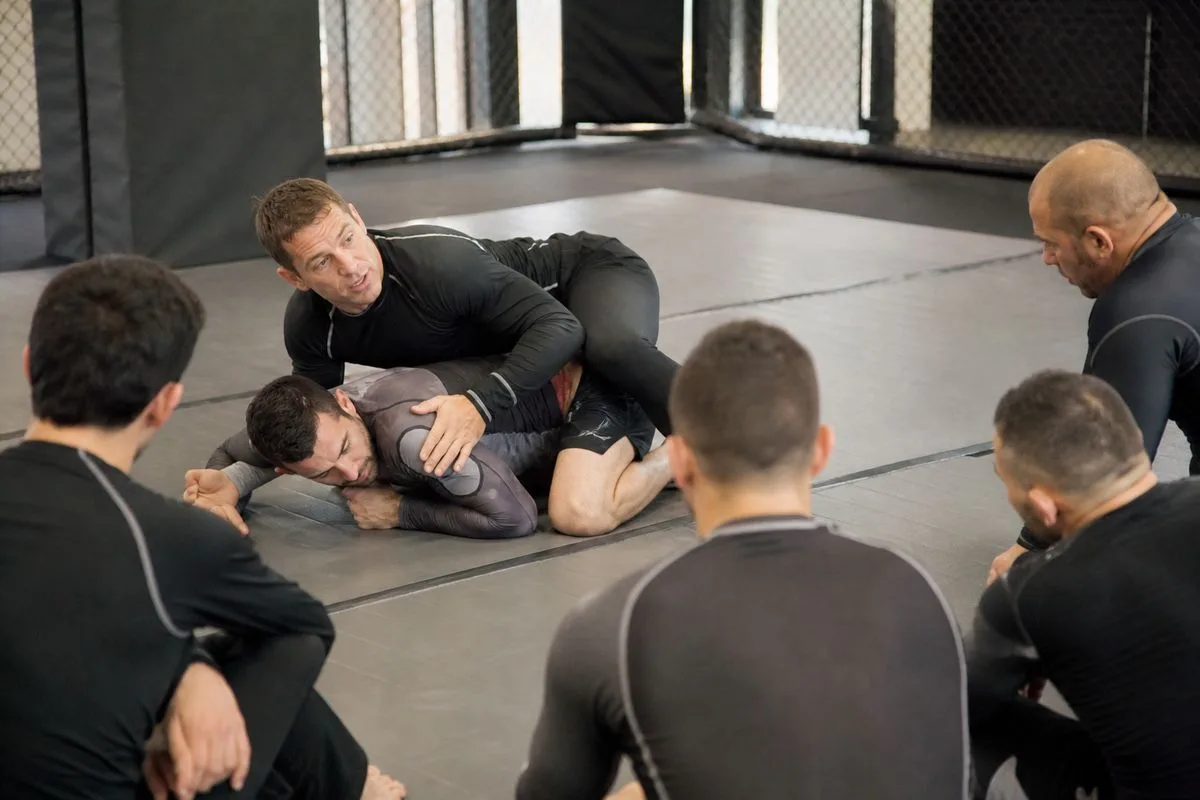
This is the environment in which resurrection mixed martial arts academy competes for attention and trust. People searching the academy name are often trying to answer practical questions: what is the coaching style, what does a typical session look like, is it more striking-led or wrestling-led, and does it cater to competitors or general fitness. The source material does not provide direct details about resurrection mixed martial arts academy’s timetable, coaches, location or athletes. It does, however, show the expectations that any academy must meet in the public imagination: visible hard work, technical breadth and a culture that takes conditioning seriously.
It also underscores a more subtle point: the academy brand is no longer confined to the gym floor. The brand is co-authored by athletes, training partners and commenters. When a post attracts thousands of likes quickly, the audience is not just consuming content, it is forming a view of the athlete’s readiness and, by extension, the quality of the room that produced the footage. For a gym seeking to build or protect reputation, the operational reality is that training culture must be consistent enough to withstand constant informal scrutiny.
Gear reviews become gym marketing: what the YIBUKO glove test says about trust and commerce
A second post, from evanmaag_, shows another pillar of the modern MMA ecosystem: equipment content that sits halfway between review and advertisement. The caption is explicit, “Putting the YIBUKO MMA gloves to the test”, followed by “Here’s my quick review and thoughts on how they perform”. It includes a promotional instruction, “Use the link in my bio or code EVANMAAG at checkout!”, and hashtags such as #FightGear, #MMAGloves and #CombatSports. The post draws 173 likes and 14 comments over six days, a smaller reach than the training clip, but still a meaningful niche audience.
The comments highlight the risk in this model. One user writes, “it would be nice if they were actually delivered to me”. That single line captures the fragility of trust in influencer-led commerce. A glove can perform well in a video, but if fulfilment fails, the brand and the promoter both take reputational damage. Another comment, “i’m boutta cop me a pair”, shows the upside: the content can convert attention into sales with minimal friction. The verified yibuko_fightwear account responds in blunt, celebratory language, reinforcing the brand’s voice and its closeness to the community.
For resurrection mixed martial arts academy, the relevance is not whether it endorses YIBUKO specifically, the source material does not say. The relevance is that gyms increasingly sit inside a commercial web of glove brands, shin guards, apparel and affiliate codes. Students often arrive with gear preferences shaped by social media, and coaches must manage the practical consequences: glove sizing, safety, durability and suitability for sparring. The rise of quick reviews also changes how equipment reputations are formed. Instead of long-term gym testing, perception can be set by a single clip and a handful of comments, including complaints about delivery that have nothing to do with performance but can still influence buying decisions.
Coaching access as a competitive advantage: the “legend” session and the two-week countdown
The third post, from solomonpollet_, is a different kind of signal. It is not a mass-audience hype clip or a product pitch. It is a status marker: “Lovely session with the legend @seanhammamartin”, tagged alongside @hamma_academy_. The post adds, “Always good work up here”, and then a clear competitive intention, “Coming for gold in 2 weeks”, accompanied by an England flag. Engagement is modest but focused, with 93 likes and 8 comments over six days, and replies like “Sharp” and “Class” that read like peer acknowledgement.
In MMA, proximity to respected coaches is currency. Calling a coach a “legend” is not just praise, it is a way of telling the audience that the athlete is receiving high-level guidance. The two-week countdown matters because it frames the session as part of a camp, not casual training. Even without naming the event, the post positions the athlete as being in a performance window, sharpening tools rather than building foundations. That distinction is important for how gyms are perceived. A room that can support both foundations and fight-week sharpness is considered more complete.
For resurrection mixed martial arts academy, the takeaway is structural. Searchers often want to know whether an academy has credible coaching connections and whether competitors can access them. The source material does not confirm any relationship between resurrection mixed martial arts academy and the individuals named here. What it does show is how athletes now publicly document coaching time as proof of seriousness. In a crowded gym market, that proof can be as valuable as a trophy photo, because it signals process rather than outcome.

What these posts collectively say about MMA training priorities in 2026
Viewed together, the three posts outline the training priorities that dominate MMA discourse in 2026: conditioning, wrestling, and technical sharpness under reputable coaching. The jaguarstriking comments repeatedly demand cardio, while another explicitly calls for wrestling. The Dagestan reference functions as a cultural shorthand for relentless grappling and pressure. Meanwhile, the solomonpollet_ post frames training as a targeted preparation phase with a two-week horizon, suggesting a competitive schedule that requires precision and recovery management.
These priorities are not new, but the way they are communicated is. Ten years ago, gyms could keep methods private and still build mystique. Now, the expectation is partial transparency. Athletes show enough to demonstrate work, but not so much that they give away full game plans. That balance creates a new skill for coaches and gym owners: media literacy. A session filmed for social media must still be a real session, otherwise the comment section will call it out. Yet it must also be safe and responsible, because the audience includes beginners who may copy drills without context.
For anyone evaluating resurrection mixed martial arts academy, this is the lens through which the academy will be judged, even if unfairly. Prospective members will look for signs that the gym can deliver cardio improvements, wrestling competence and structured coaching. They will also look for community cues: are experienced athletes supportive, is feedback constructive, and does the gym culture encourage consistent work rather than occasional intensity. The posts show that audiences now feel entitled to ask for specific training emphases, and gyms that can demonstrate those emphases clearly tend to win attention.

Resurrection mixed martial arts academy and the reputational mechanics of the comment section
The comment section has become a reputational battleground for MMA. In the jaguarstriking post, the tone is broadly positive, dominated by praise, but threaded with demands. Cardio is repeated, wrestling is requested, and the Dagestan remark sets an external benchmark. This mix is significant because it mirrors how fighters are assessed by matchmakers and fans: not only by highlights, but by perceived completeness. A striker who looks sharp but is thought to lack wrestling will be labelled incomplete, fairly or not. The same logic is applied to gyms, which are often stereotyped as striking gyms, wrestling gyms, or fitness-first gyms.
In the glove review post, the comment about non-delivery shows another reputational dynamic: unrelated operational failures can hijack the narrative. A content creator may intend to discuss padding, wrist support or durability, but the audience may instead focus on shipping problems. This matters for academies because the same dynamic applies to gym operations. A gym can post excellent training content, but if members complain publicly about cancellations, overcrowding or poor communication, that becomes part of the brand story. The source material does not include such complaints about any academy, but it demonstrates the mechanism clearly.
For resurrection mixed martial arts academy, the practical implication is that public perception is shaped by small, repeated interactions. A gym’s online footprint is no longer just official posts. It includes tagged content, partner posts, and the tone of replies. In 2026, a serious academy treats community management as part of performance management. That does not mean arguing with critics. It means setting expectations, communicating clearly, and ensuring that what is shown publicly aligns with what members experience privately.
Closing thoughts: what searchers should look for when assessing resurrection mixed martial arts academy
People searching resurrection mixed martial arts academy are typically trying to make a decision: whether to train there, whether it is a credible base for competition, or whether it aligns with their goals, fitness, self-defence, amateur bouts, or professional ambition. The source material provided does not offer direct, verifiable details about the academy itself, such as coaching staff, address, pricing, class schedule, or competition record. It does, however, provide a clear snapshot of the wider MMA environment in which any academy operates in 2026.
That environment rewards gyms that can demonstrate three things consistently. First, a visible training culture that prioritises conditioning and well-rounded skills, as reflected by the cardio and wrestling demands in the jaguarstriking comments and the aspirational Dagestan reference. Second, credible coaching access and structured preparation, as implied by the solomonpollet_ session with seanhammamartin and the two-week competitive countdown. Third, practical competence in the everyday details, including equipment choices and the trust dynamics around gear, highlighted by the YIBUKO glove review and the delivery complaint.
For prospective members, the most reliable approach is to look beyond highlight clips and ask process questions: how the gym builds cardio over time, how it teaches wrestling and grappling to different levels, and how coaches structure training blocks for those who want to compete. In a sport where the margins are often decided by endurance, clinch control and coaching clarity, the academy that can show its systems, not just its intensity, is the one most likely to earn long-term trust.