Mixed martial arts punching bag demand shifts as brands fight for the home gym
The mixed martial arts punching bag is no longer a niche purchase reserved for fighters with access to a specialist gym. In 2026, the strongest signal comes not from a single blockbuster launch, but from a widening spread of products and price points that target the same consumer: the at home trainee who wants MMA capable striking equipment without complicated installation, without guesswork, and increasingly, without paying premium prices.
Three strands of source material illustrate the market’s direction. A budget oriented, bundle heavy set from xffzroom positions a 4ft PU leather heavy bag as a multi discipline solution for MMA, kickboxing, karate and boxing, and it is explicitly sold unfilled, with a stated maximum weight of 80 lbs. At the other end, Hayabusa’s heavy bag range emphasises engineered stability, material reinforcement, and modular options such as Quick Swap reflex and freestanding systems, alongside traditional 70 lb to 125 lb hanging bags and an unfilled heavy bag. Meanwhile, a product listing headline for a Century MMA 70 lb training bag signals the continuing relevance of established fight brands in the same category, even though the provided text does not include specifications.
Taken together, the development is clear: the category is fragmenting into two competing promises. One is convenience and affordability through bundles and self filling. The other is performance and durability through heavier weights, specialised bag types, and accessory ecosystems. For consumers searching for a mixed martial arts punching bag in 2026, the question is less “which bag is best”, and more “which training problem is being solved, and what compromises come with the price”.
What is happening now, a crowded market of bundles, modular systems, and self filled bags
The most immediate newsworthy change is how aggressively brands package and position their bags for multi discipline use. The xffzroom set is marketed as a “6 in 1” heavy boxing bag package, and it includes 12 oz boxing gloves and hand wraps. The listing highlights “thickened 12mm fist pads” designed to protect hands and wrists, and it stresses easy returns with at least one free return option and no shipping charges, subject to a returns policy. It also shows visible marketplace traction, with a 4.3 out of 5 star rating from 202 ratings, and “50+ bought in past month”, at a one time purchase price of $41.99.
That combination of bundle value, low entry price, and low friction returns is not a small detail. It is a commercial strategy that aims to remove the two biggest barriers for first time buyers: uncertainty about what else they need, and fear of making the wrong choice. The bag is sold unfilled, and the listing spells out the DIY approach, suggesting it can be filled with sand, rice hull, used clothes, sawdust, used quilt, cotton, foam and sponge. It also states a maximum weight of 80 lbs, which implicitly defines the ceiling of the product’s performance and stability.
Hayabusa’s range, by contrast, reads like a brand defending a premium position through breadth and engineering language. It lists traditional hanging bags such as a 70 lb Classic Heavy Bag at $499, a 125 lb Classic Heavy Bag at $599, and a 100 lb Muay Thai Heavy Bag at $599. It also lists an Unfilled Heavy Bag at $179, plus accessories such as a Double End Heavy Bag Anchor at $59.99. Alongside these are modular “Quick Swap” products, including reflex bag tops, base combos, and freestanding heavy bag components, many marked “Waitlist”, which signals demand management or limited availability rather than simple catalogue padding.
The immediate development, then, is not a single innovation but a competitive squeeze. Budget sets are normalising the idea that a mixed martial arts punching bag can be a sub $50 purchase if the buyer accepts self filling and lower weight ceilings. Premium brands are responding by widening the category, offering bag types for different skills, and emphasising durability, stability, and training specificity.
Background, the mixed martial arts punching bag evolves beyond the classic heavy bag
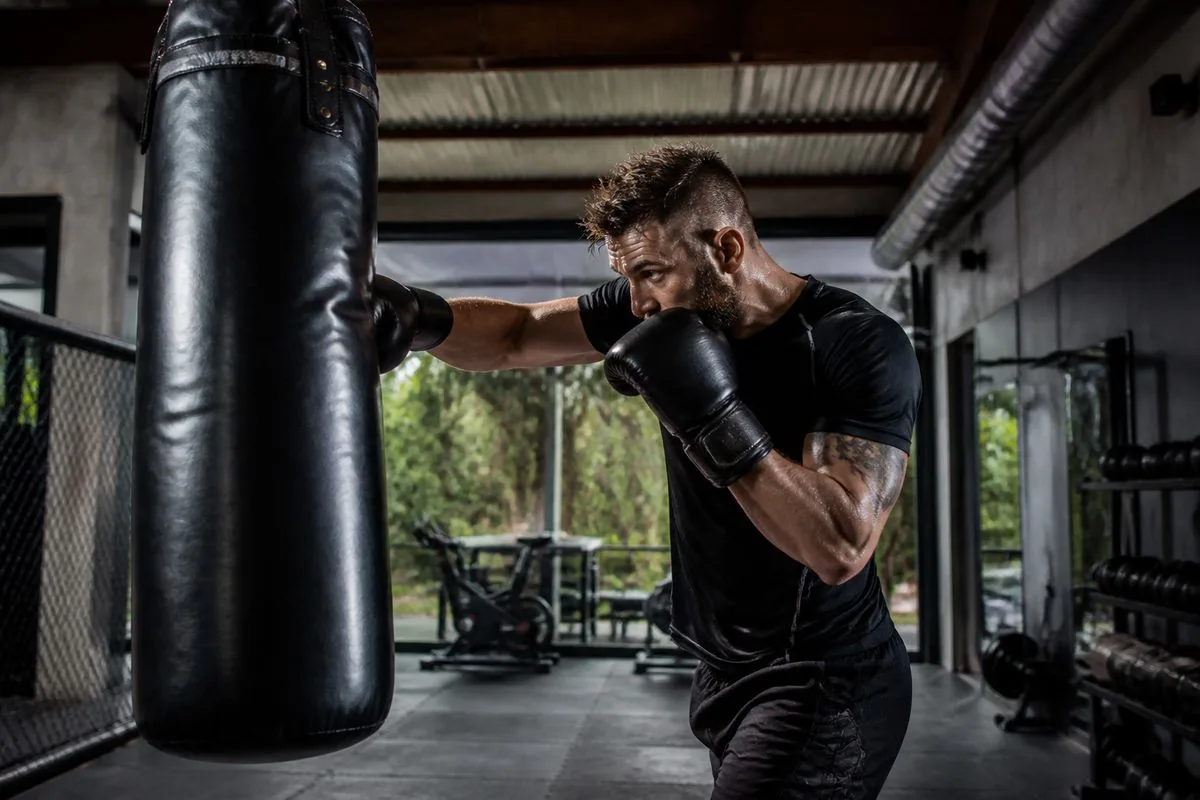
Historically, the heavy bag is the default image of striking training. Hayabusa’s own explainer reinforces that traditional hanging bags are built for power, endurance, and full combination work, and that their natural swing helps simulate real fight movement. That matters for MMA because the sport’s striking is not a static, squared stance exchange. Fighters need to manage distance, reset after combinations, and strike while the target moves. A bag that swings can force footwork adjustments and timing changes, even if it is still a simplified proxy for a live opponent.
But the modern category now includes multiple bag types that map to different skill priorities. Hayabusa describes reflex bags as tools for speed, timing, coordination, rhythm, defensive reactions, and counterpunching. Double end bags, anchored at both ceiling and floor, move unpredictably when struck, and are positioned as essential for accuracy, head movement, and timing under pressure. Freestanding bags, with a weighted base, are framed as an answer to the realities of home training, where ceiling mounting is not always possible, and where flexibility matters.
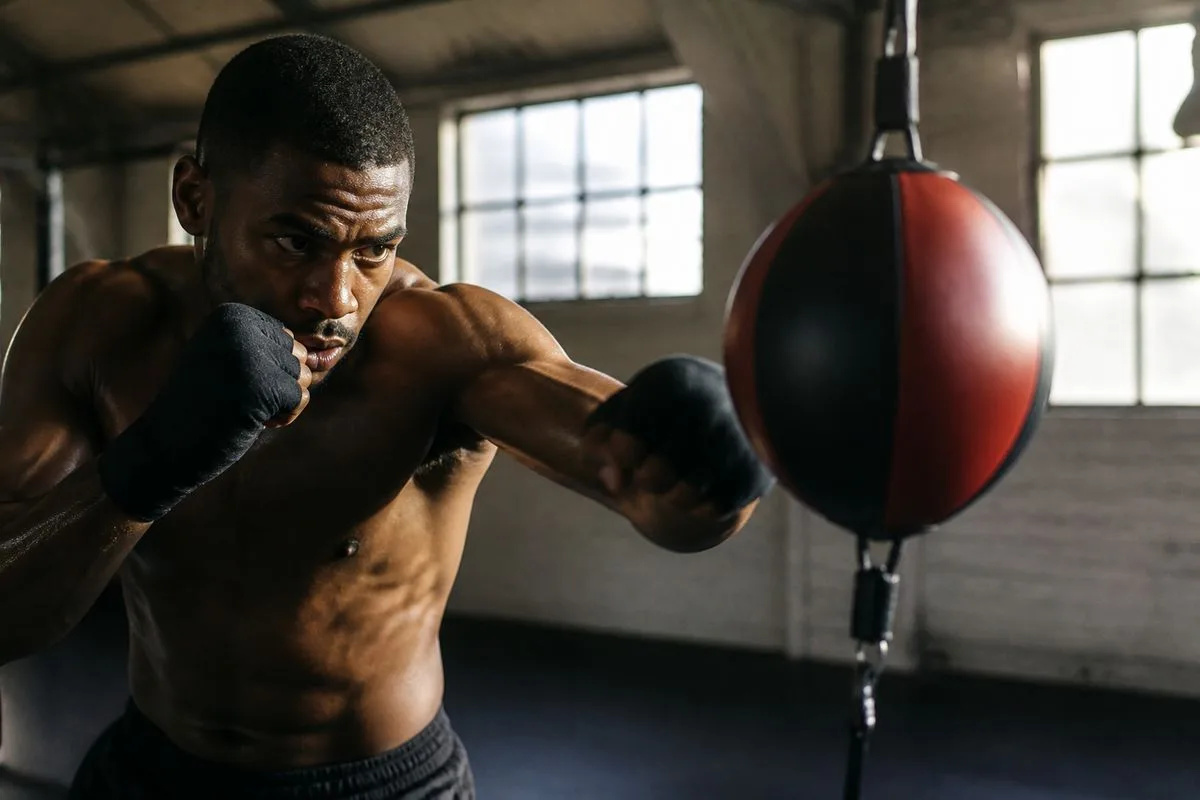
That diversification is not cosmetic. It reflects how MMA training itself is organised. Many trainees are not simply trying to hit harder. They are trying to build repeatable combinations, improve hand eye coordination, and reduce injury risk while increasing volume. Hayabusa explicitly links its bag design to shock absorption and reduced stress on hands, wrists, and joints, and it highlights internal fillings such as dense foam, shredded textile, and water filled options, each with different feel and impact characteristics.
The budget end of the market responds to the same needs, but with different levers. The xffzroom set leans on glove padding thickness and inclusion of wraps, and it offers a flexible filling list that ranges from sand to used clothes and foam. The trade off is that the buyer becomes the engineer. The bag’s feel, density, and safety are determined by what goes inside it, and how evenly it is packed.
Brand and product profiles, what xffzroom, Hayabusa, and Century signal in 2026
xffzroom’s proposition is straightforward: a 4ft PU leather heavy bag set, sold unfilled, marketed for MMA and adjacent striking sports, and bundled with 12 oz gloves and hand wraps. The listing calls out “PU Leather Durable Materials”, and it states the bag can withstand a maximum weight of 80 lbs. It also foregrounds customer review mechanics, noting that star ratings are not a simple average and that review recency and verified purchase signals are considered. Those details are typical of marketplace listings, but in the context of equipment, they also show how trust is built for lesser known brands: through volume of reviews and return policies rather than heritage.
Hayabusa’s profile is the opposite. It sells a ladder of prices and specialisations, from a $59.99 double end anchor to $599 heavy bags, and it uses language about reinforced seams, heavy duty stitching, and balanced construction to justify the premium. It also positions itself as a system provider, not just a bag seller, with accessories and training resources presented as part of the value. The presence of multiple “Waitlist” items in the Quick Swap line suggests that modular training stations are a growth area, particularly for buyers who want to switch between reflex work and heavier striking without buying multiple full setups.
Century’s appearance in the source material is limited to a headline reference to a “Century MMA 70 lb Training Bag”, described as a “Mixed Martial Arts Punching Bag”. The provided text does not include specifications, pricing, or product details, so it would be wrong to infer features. Still, the mere framing is meaningful. A 70 lb training bag sits in the weight band that Hayabusa itself describes as “70 to 100 lbs”, a range it positions as suitable for speed, technique drills, and high volume combination work. That alignment hints at an industry consensus: many home users and lighter athletes are being served by bags that are heavy enough to resist excessive movement, but not so heavy that installation and space become prohibitive.
Across these profiles, a pattern emerges. The market is not converging on one “best” mixed martial arts punching bag. It is splitting into distinct buyer journeys: entry level bundles that reduce decision fatigue, and premium ecosystems that promise longevity, stability, and targeted skill development.
Industry analysis, why self filling, weight ceilings, and bag types now matter more than branding
The most consequential detail in the budget listing is not the price, it is the phrase “no filler, you need to fill it yourself”, paired with the 80 lb maximum weight. Self filling is attractive because it reduces shipping cost and makes a large product easier to deliver. It also lets the buyer tune firmness. However, it introduces variability that can affect both performance and injury risk. A bag filled with sand will behave differently from one filled with shredded fabric or foam, and uneven packing can create hard spots that punish knuckles and shins. In a sport where trainees may throw bare shin kicks, elbows, and high volume punches, consistency of striking surface is not a luxury.
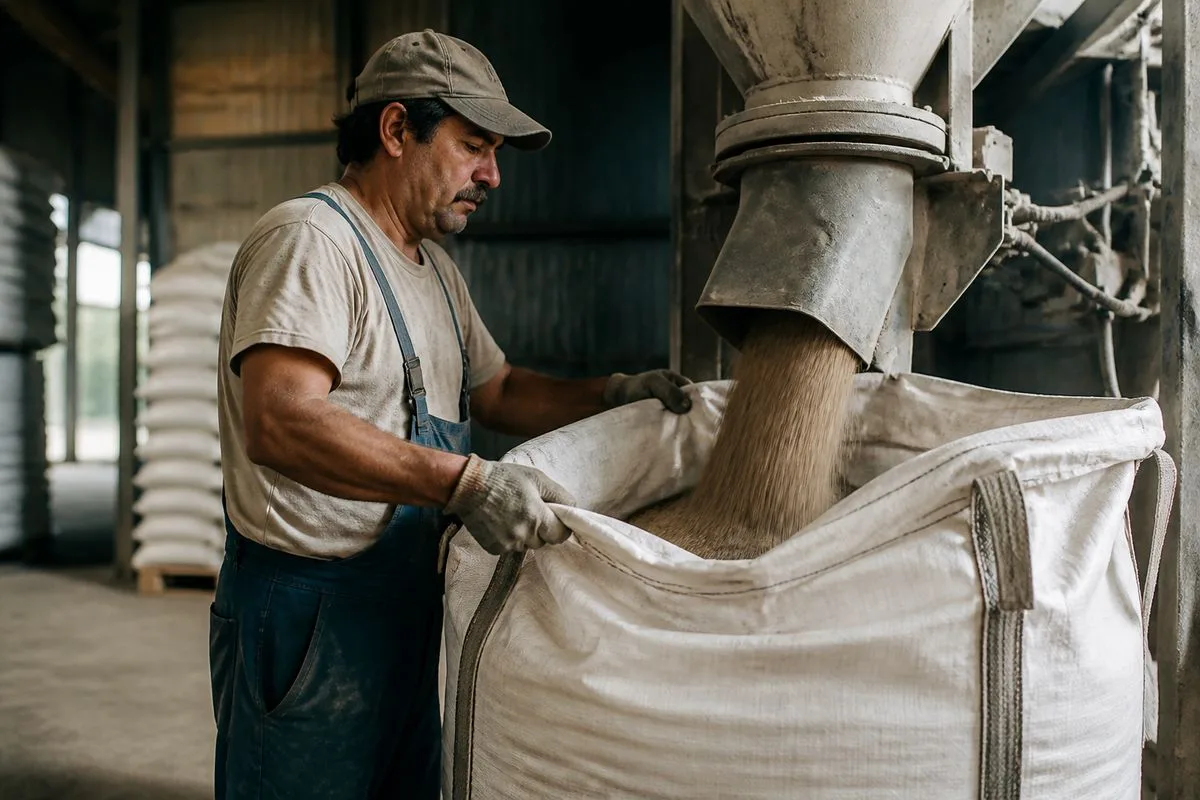
Hayabusa’s emphasis on engineered filling options and seam reinforcement is a direct response to that variability. Its descriptions focus on shock absorption, reduced joint stress, and minimised unnecessary movement. Stability is not just about convenience. Excessive sway breaks combinations, changes range unexpectedly, and can encourage poor mechanics as trainees chase the bag rather than set their feet. For MMA, where balance and posture matter for defending takedowns and resetting stance, a bag that swings too freely can teach the wrong habits.
The proliferation of bag types also reflects a more sophisticated consumer. Reflex bags and double end bags are not replacements for heavy bags, they are complements. A heavy bag builds power and conditioning. A reflex bag builds timing and defensive reactions. A double end bag forces accuracy and head movement. The industry’s shift is towards selling a training mix, either through modular systems like Quick Swap, or through accessories and add ons. This is how brands increase average order value without relying on a single flagship bag.
Finally, the pricing spread itself tells a story about the category’s maturity. A $41.99 bundle and a $599 heavy bag can both exist because they solve different problems. The budget set is an on ramp. The premium bag is a long term tool for high volume training, potentially in commercial settings, although the source material does not explicitly state intended venue. The key point for the industry is that the mixed martial arts punching bag is now a segmented market, and segmentation tends to bring more product claims, more confusion, and more need for buyer education.
Mixed martial arts punching bag buying in 2026, what to look for beyond the headline specs
For consumers, the headline numbers can be misleading. Weight is important, but so is how that weight is achieved. An unfilled bag that can be taken up to 80 lbs depends entirely on the filler choice and the packing method. A pre filled or professionally filled bag, where the manufacturer controls density and distribution, offers more predictable feedback. Hayabusa’s filling discussion, including dense foam, shredded textile, and water filled options, underlines that “weight” is not a single experience. Two bags of the same weight can feel radically different on impact.
Size and shape matter for MMA because the sport mixes punches, kicks, knees, and sometimes clinch style pressure. A 4ft bag can accommodate many strikes, but taller, longer bags can better support low kicks and knee work without forcing awkward targeting. The source material does not provide dimensions for Hayabusa’s classic bags, so it cannot be compared directly here. Still, the presence of a dedicated “Muay Thai Heavy Bag” in Hayabusa’s range signals that some designs are optimised for kick heavy training, which often overlaps with MMA needs.
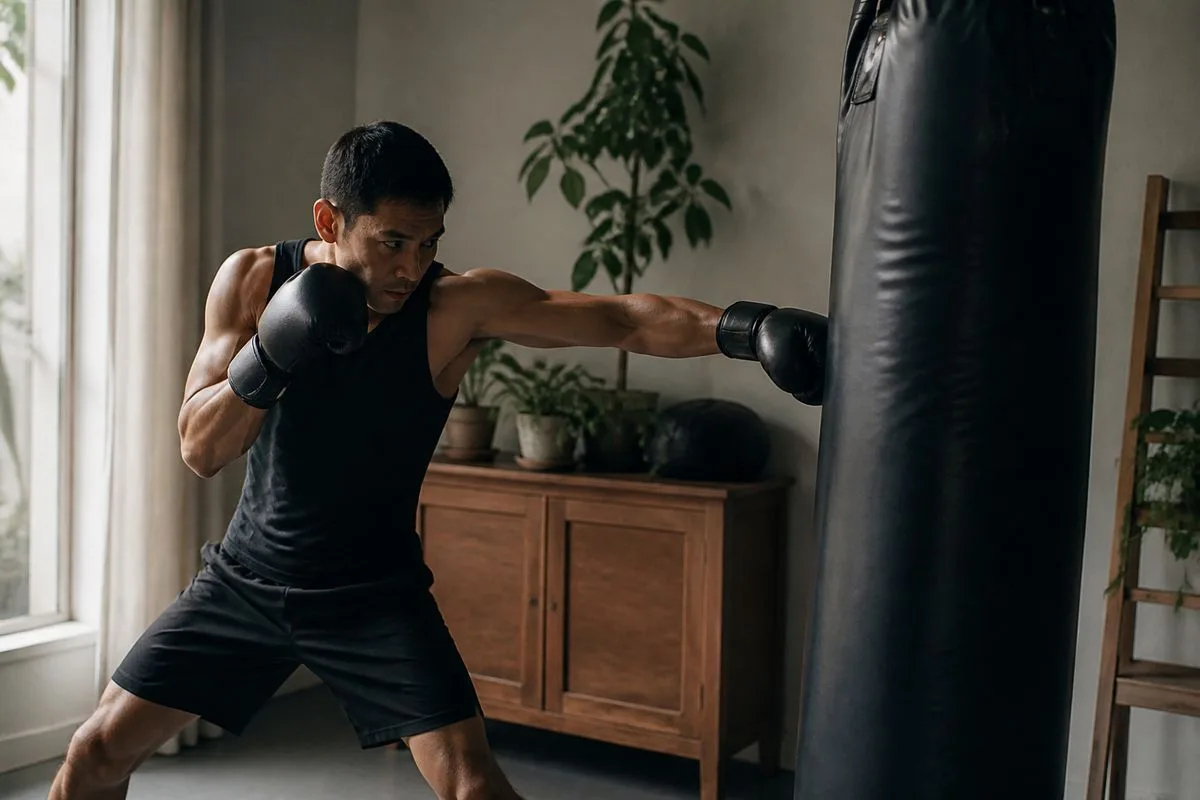
Installation is another dividing line. Hanging bags require a secure mount, and the buyer needs to consider ceiling strength, noise, and swing clearance. Freestanding bags remove the ceiling requirement but introduce base stability and floor space considerations. Hayabusa positions freestanding bags as ideal for apartments and flexible setups. That framing matches the reality of 2026 housing and training patterns, where many people train in multi use rooms and cannot permanently mount equipment.
Finally, protective gear is not optional. The xffzroom set includes 12 oz gloves and hand wraps, and it highlights 12mm fist pads. Hayabusa explicitly recommends hand wraps and boxing gloves to protect knuckles, wrists, and joints. For MMA trainees, this is particularly relevant because bag work often sits alongside sparring and grappling. Hand injuries from poor bag setup can derail training across disciplines.
What This Means For You
Anyone searching for a mixed martial arts punching bag in 2026 should treat the purchase less like buying a single item and more like choosing a training environment. The first decision is not brand, it is use case: power and conditioning, speed and timing, or accuracy and defence. A traditional heavy bag supports volume and power. A reflex bag supports rhythm and reactions. A double end bag supports precision and head movement. If the goal is general MMA fitness at home, a heavy bag remains the anchor, but adding a smaller skill focused bag later can be a smarter upgrade than buying a second heavy bag.
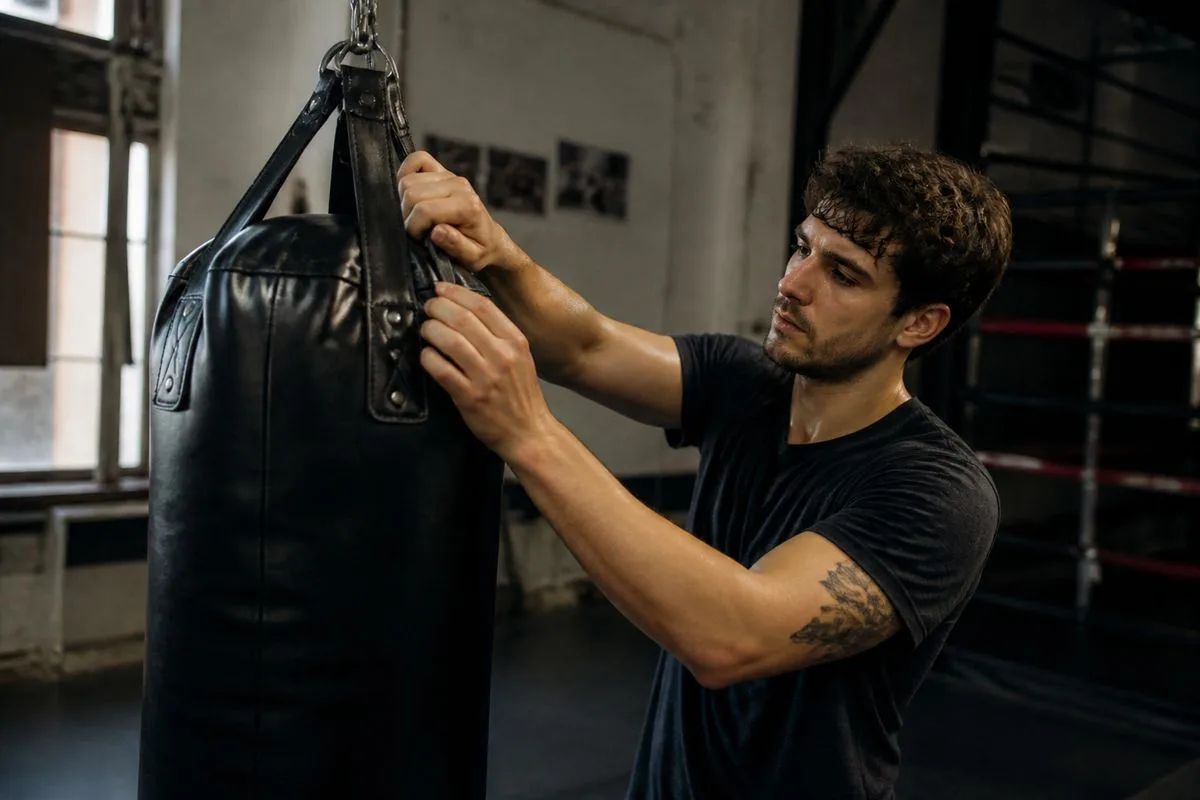
Buyers should also be realistic about self filling. An unfilled bag can be a cost effective entry point, and the xffzroom listing is explicit about filler options, from sand to fabric and foam. The practical implication is that the buyer must control firmness and consistency. A sensible approach is to prioritise even packing, avoid creating hard lumps, and use wraps and gloves from day one. If the household includes multiple users, consistency becomes even more important because different people will strike with different force and technique.
Finally, readers should interpret price as a proxy for two things: durability and predictability. Premium bags justify cost through reinforced seams, engineered stability, and controlled shock absorption. Budget bundles justify cost through accessibility, included gear, and return convenience. Neither is automatically “better”. The right choice depends on how often the bag will be used, how hard it will be hit, and whether the buyer wants to spend time tuning a DIY fill. The most expensive mistake is not buying the wrong brand, it is buying a bag that does not match the training plan, then abandoning it when it proves too unstable, too loud, or too punishing on the hands.
Closing thoughts, a category that now rewards informed buyers
The mixed martial arts punching bag market in 2026 is defined by choice, and by the trade offs that come with it. xffzroom’s 4ft, unfilled, 80 lb maximum bag set shows how far the entry price has fallen, and how strongly bundles and return policies are being used to win first time buyers. Hayabusa’s catalogue shows the counter strategy: premium materials, multiple bag types, modular systems, and a clear attempt to own the full training setup, from anchors to bag selection guidance.
For the wider industry, the implication is that education becomes a competitive advantage. As more consumers buy bags for MMA rather than for boxing alone, they will demand equipment that supports kicks, knees, and high volume combinations without injuring hands or destabilising footwork. Brands that can explain filling, stability, and bag type selection in plain language will win trust, especially as self filled products become more common.
For readers, the takeaway is simple but not superficial. The best mixed martial arts punching bag is the one that fits the space, matches the training goals, and delivers consistent feedback without unnecessary strain. In a market that now spans $41.99 bundles to $599 premium bags, the smartest purchase is the one made with a clear plan for how the bag will be used, and how the rest of the training kit will support it.