
ind vs wi, why this series matters right now
Anyone searching ind vs wi in late September 2026 is usually trying to answer a practical question: what is actually happening in the India vs West Indies ODI series, who is shaping it, and what does it say about where both teams are headed. This tour is not just another bilateral, it is a live test of India’s depth at home and West Indies’ ability to translate a new wave of batting talent into results in the hardest environment in world cricket.
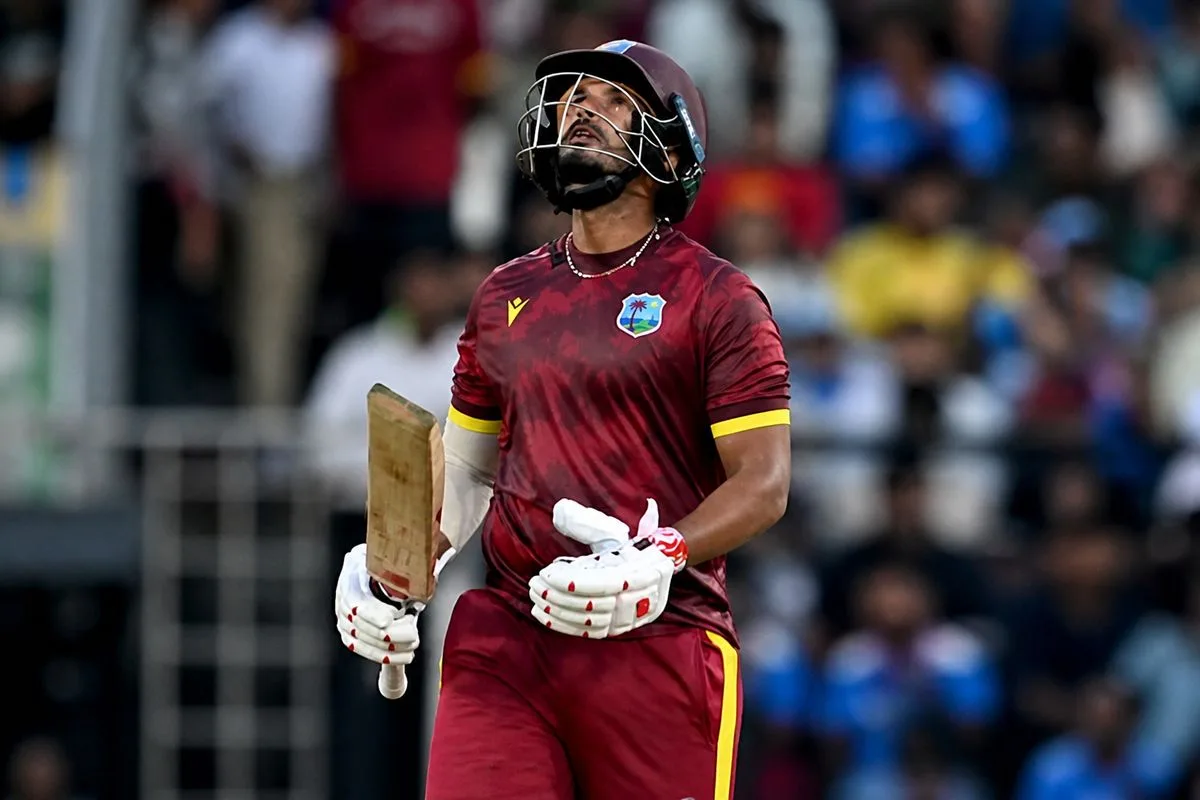
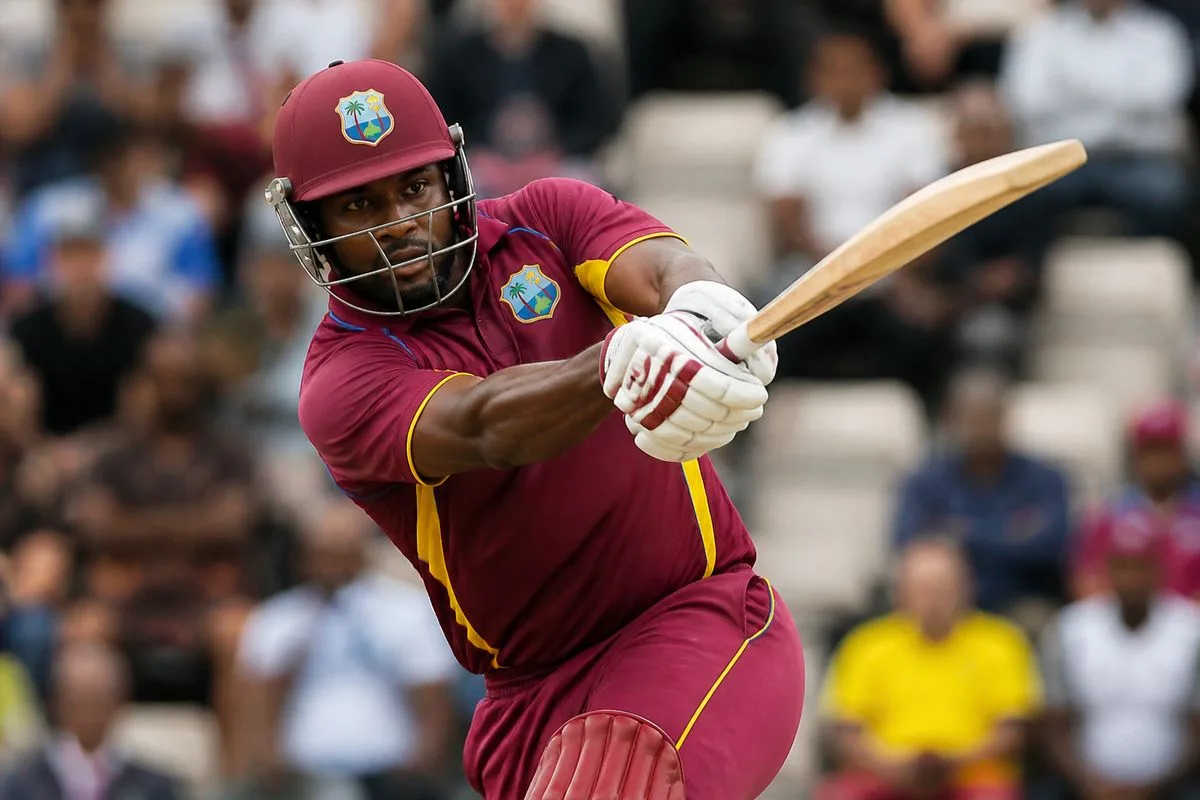
The immediate hook is a single performance that captures the wider story. In the first ODI of the West Indies tour of India, Amir Jangoo plays what Cricbuzz describes as a “crucial fifty”, a contribution that lands because of what it represents: a late-blooming international career, a player reshaped by role changes, and a West Indies batting group trying to stay competitive against India’s spin and game management in Indian conditions.
This article is structured as a comparison guide because that is what the moment demands. The series is best understood through a set of head to head questions: India vs West Indies, who controls the middle overs, who adapts roles faster, who has the more reliable finishing, and whose development pathway is producing match ready players? Jangoo’s story provides a lens, but the bigger point is how both teams are building, and what that means for the remainder of the tour.
ind vs wi match context, what the first ODI tells us
The first ODI becomes a reference point for the whole tour because it surfaces the key tactical battle: West Indies’ batting depth and intent versus India’s ability to disrupt rhythm through spin and smart match ups. Cricbuzz reports that Jangoo “mended a West Indies innings hurt by Kuldeep Yadav’s tricks”, then targeted the “soft, old ball” to secure runs late. That detail matters because it describes a very specific skill, reading the phase of the innings and choosing the right moments to attack.
It also highlights a new role. Jangoo says it is “a new role for me in internationals, batting at five”, contrasting with his top order work in the CPL weeks earlier. In a series like ind vs wi, role clarity often decides whether a side posts a defendable total or leaves itself ten to twenty runs short. A batter who can float, absorb pressure against spin, then accelerate against an older ball is precisely the profile West Indies have often lacked in India.
There are limits to what can be stated with certainty from the available source material. The Cricbuzz piece focuses on Jangoo’s journey and does not provide the full scorecard, India’s chase details, or a complete bowling breakdown. What it does provide is enough to identify the shape of the contest: India’s spinners, especially Kuldeep, create the squeeze; West Indies need batters who can survive that squeeze without freezing; Jangoo’s fifty is framed as a stabilising, momentum preserving innings rather than a headline grabbing century.
For India, the match context is also about the aura of home conditions. Jangoo explicitly names the “greats like Rohit Sharma, Virat Kohli, even Shubman Gill” as the dream opposition. That list is revealing. It signals that this ind vs wi series is being experienced by West Indies players as a measuring stick against India’s modern batting standard and its star power, while India treat it as a test of combinations and control.
Player comparison, Amir Jangoo vs India’s home advantage
Jangoo’s story is not the typical prodigy arc. He plans, as a teenager with Trinidad and Tobago Under 17s and Under 19s, to be in a West Indies kit by 25. It does not happen. If cricket fails, he is ready to teach geography, and he holds a degree in the subject. Then, at 29, he arrives on his first India tour, describing it as “a dream come true”. In an ind vs wi series, that personal timeline matters because it speaks to resilience and late maturation, traits that often translate into calmer decision making under pressure.
By the time he breaks into the West Indies team in 2024, he says he has “mentally rewired” himself to never give up. He watches younger players come through and uses it as fuel. The key cricketing detail is what happens next: on ODI debut, batting at six, he hits a 79 ball century. That is a specific statistic from the Cricbuzz report, and it underlines that his game is not merely about survival, it includes controlled aggression.
India’s “home advantage” is not a single thing, it is a stack of small edges: familiarity with surfaces, confidence in spin plans, and the psychological weight of playing against icons. Jangoo’s admiration for Kohli is telling here. He singles out not only Kohli’s batting, but his “work ethic” and how he “lives his life”. That is the kind of influence that can sharpen an opponent’s preparation, but it can also amplify the intimidation factor when the match tightens.
What makes Jangoo especially relevant to this ind vs wi tour is his history of role changes. Before Covid, he bats for Windward Islands at number four and five. When cricket resumes, he earns a wicketkeeper’s spot with Trinidad in Joshua de Silva’s absence, which pushes him down the order and forces him to develop against spin in less forgiving scenarios. He later adapts again as he chases all format selection, making his T20I debut in 2025. In India, where match ups and roles shift ball by ball, that flexibility is a competitive advantage, and West Indies need more of it across the XI.
Team building comparison in ind vs wi, pathways and role clarity
One of the most useful ways to read ind vs wi is as a comparison of development pathways. Jangoo’s route is long and domestic heavy. He stays close to the Queen’s Park Cricket Club in Trinidad, follows the conventional ladder, then waits nine years for an international opening. When he finally gets it, he accelerates, and the Cricbuzz piece lists a rapid sequence of achievements: a Test double century in June, a world record partnership in the same match, and a CPL final winning fifty earlier in September, followed by a flight to India three days later.
That condensed timeline is important because it shows what happens when a player’s peak and opportunity finally align. It also hints at a broader West Indies challenge: converting domestic and franchise form into consistent international output, especially away from home. Jangoo’s domestic success includes helping Trinidad and Tobago win a first class title, ending a two decade drought. That suggests leadership and big match temperament, but the ind vs wi question is whether those traits can be replicated against India’s bowling plans and crowd pressure.
India’s pathway is not described in detail in the provided source material, so this article does not invent selection policies or domestic statistics. What can be said, based on Jangoo’s own words, is that India’s top line remains a benchmark. When an opposition batter frames playing Rohit, Kohli, and Gill as a dream, it reflects how India’s batting culture sets the tone for the contest. In practical terms, that often means India can afford to play the long game in ODIs at home, trusting that their batting depth and familiarity with conditions will outlast bursts of West Indies aggression.
Role clarity is the other axis. Jangoo is explicit that batting at five is new for him in internationals, and he describes his job as “understanding the game scenario”. That is the language of a team trying to define responsibilities. India, by contrast, typically enter home series with more settled expectations about who controls which phase. In ind vs wi, the side with clearer phase ownership usually wins the tight moments, even when the raw talent looks comparable for short stretches.
ind vs wi tactical battle, spin management and the middle overs
The Cricbuzz report places Kuldeep Yadav at the centre of the disruption. The phrase “Kuldeep Yadav’s tricks” is not just colourful writing, it points to a tactical reality: wrist spin in India remains a decisive weapon in ODIs, especially against line ups that are still learning how to rotate strike without gifting wickets. When West Indies lose momentum in the middle overs, they often end up relying on late hitting, which becomes harder if wickets have fallen.
Jangoo’s response, as described, is instructive. He attacks the “soft, old ball” late, which implies he is not merely trying to survive spin, he is trying to preserve enough resources to cash in when the ball stops gripping as sharply. That is a sophisticated ODI approach, and it is exactly the kind of innings West Indies need more frequently in India. It also suggests a template for other West Indies batters: minimise risk against peak spin threat, then expand when the ball and field allow.
From India’s perspective, the tactical battle is about forcing West Indies into uncomfortable role switches. If Jangoo is batting at five, and he is naturally a top order player in some formats, India’s spinners and captains can try to make him play like a number seven, meaning high risk boundary hunting rather than controlled accumulation. The fact that he still produces a “crucial fifty” suggests he resists that trap in the first ODI, but the series will test whether he can repeat it once India adjust.
There is also a psychological layer. Jangoo describes watching Kohli in “rollicking flow” as bittersweet. That is a reminder that ind vs wi in India is not just about skill, it is about emotional control. West Indies need players who can admire the moment without being consumed by it, then execute under noise, heat, and relentless tactical pressure.
ind vs wi at a glance, key storylines compared
Because the available reporting is centred on Jangoo, the most responsible comparison is one that distinguishes between what is confirmed and what remains to be proven as the series continues. The table below summarises the core, source supported storylines that define this ind vs wi tour so far.
| Dimension | India | West Indies |
|---|---|---|
| Home and conditions | Plays at home, conditions and spin plans are familiar. | Tours India, must adapt quickly, especially to spin and tempo shifts. |
| Middle overs threat | Kuldeep Yadav is explicitly cited as disrupting the innings. | Needs stabilisers who can rotate strike and protect wickets. |
| Key narrative player | Star benchmark effect, Rohit Sharma, Virat Kohli, Shubman Gill named as dream opponents. | Amir Jangoo, 29, first India tour, crucial fifty in first ODI. |
| Role flexibility | Not detailed in the source material, but benefits from settled home structures. | Jangoo has shifted roles across formats, including wicketkeeping duties domestically. |
| Proven ceiling (from source) | Not quantified in the provided report. | Jangoo has a 79 ball ODI debut century, a Test double century in June 2026, and a CPL final winning fifty in September 2026. |
The point of this comparison is not to claim India lack narratives or West Indies lack structure. It is to reflect what the reporting confirms right now: West Indies’ most vivid edge in this story is a player whose patience and adaptability are finally meeting opportunity, while India’s edge is the familiar, repeatable pressure of home conditions and high quality spin.
As the ODI series progresses, the ind vs wi storyline to watch is whether West Indies can turn individual resilience into collective innings building. One crucial fifty can keep a match alive. A series win requires two or three batters doing it across multiple games, plus bowlers who can defend totals without perfect conditions.
Pros and cons, choosing who has the edge in ind vs wi
Thinking about ind vs wi as a decision guide helps clarify what each side is currently offering. India’s strengths are structural and repeatable. West Indies’ strengths, at least in the first ODI narrative, are about emerging players and adaptability. The lists below are grounded in what the source material supports, and they avoid claiming specific match results or series standings that are not provided.
India, pros
- Spin disruption in the middle overs, with Kuldeep Yadav explicitly described as hurting the West Indies innings.
- Home conditions advantage, which typically amplifies the effectiveness of spin and game management.
- Psychological benchmark, with Rohit Sharma, Virat Kohli, and Shubman Gill named by Jangoo as dream opponents, indicating India’s star gravity.
India, cons
- Less visible narrative pressure, because the reporting focus is on West Indies’ story, India still must avoid complacency in a home series.
- Opposition learning curve, if West Indies batters like Jangoo crack the spin code, India’s advantage narrows quickly.
West Indies, pros
- Adaptable batting profiles, with Jangoo demonstrating role flexibility and scenario awareness at number five.
- Proven conversion ability, Jangoo’s first class centuries are described as all converted to double hundreds.
- Recent big match contributions, including a CPL final winning fifty and a crucial ODI fifty in India.
West Indies, cons
- Adjustment time in India, the tour is Jangoo’s first in the country, and the wider group faces the same learning curve.
- Spin vulnerability risk, the innings is explicitly said to be hurt by Kuldeep’s bowling, suggesting a pressure point India will keep targeting.
The key takeaway is that India’s edge is systemic, while West Indies’ edge is developmental. In a short ODI series, systemic advantages usually win unless the developmental surge is broad based. Jangoo can be the spark, but West Indies need multiple sparks, plus disciplined bowling, to flip the expected script in India.
For neutral fans, that dynamic is precisely why ind vs wi remains compelling. It is a contest between a machine like home set up and a set of individual stories that can, on the right day, disrupt it.
The Verdict, what to expect next from ind vs wi
On the evidence available so far, India hold the clearer advantage in ind vs wi because the decisive factor is repeatable control. Kuldeep Yadav’s impact, described as “tricks” that hurt the West Indies innings, is the kind of middle overs leverage that wins ODIs in India again and again. Add the home environment and the psychological weight of facing India’s biggest names, and the baseline expectation remains that India can dictate the terms of most matches in the series.
West Indies’ best route to changing that expectation is also clear, and it runs through the exact qualities Amir Jangoo embodies. They need batters who accept that roles will shift, who can absorb spin without surrendering tempo, and who can then attack the older ball late. Jangoo’s crucial fifty in the first ODI is valuable not only for the runs, but because it models a method. If West Indies can replicate that method across the top six, they give their bowlers something to defend and force India into riskier chases.
For readers using ind vs wi as a guide to where the series is heading, the practical recommendation is to watch two indicators rather than just totals. First, how often West Indies lose clusters of wickets to spin in the middle overs. Second, whether their adaptable batters, starting with Jangoo at five, can consistently turn survival into acceleration. If those two indicators improve, the series becomes competitive quickly. If they do not, India’s home advantage is likely to remain decisive, regardless of occasional individual brilliance.
Closing thoughts, patience as West Indies’ most valuable currency
Amir Jangoo’s journey is a reminder that international cricket careers do not always follow neat timelines. He misses his own target of wearing the maroon by 25, considers a life teaching geography, then arrives in India at 29 with a mindset built on gratitude and persistence. In a sport that increasingly rewards early specialisation, his story argues for patience, and for domestic systems that keep late developers engaged long enough to break through.
For the ind vs wi series, that patience is not just personal, it is strategic. West Indies cannot out India India in India. Their path is to stay calm through the hardest overs, keep wickets in hand, and back their finishers to exploit the softer ball phases. Jangoo’s innings in the first ODI, described as crucial, is a small but meaningful sign that West Indies are learning how to do that.
India, meanwhile, remain the standard setter in these conditions, and the presence of names like Rohit Sharma, Virat Kohli, and Shubman Gill continues to shape how opponents experience the contest. That star power is not merely marketing, it is part of the competitive environment. It raises the stakes, sharpens the pressure, and forces visiting players to decide whether they are tourists or genuine contenders. In 2026, ind vs wi is, once again, a test of who can turn their identity into a winning method.