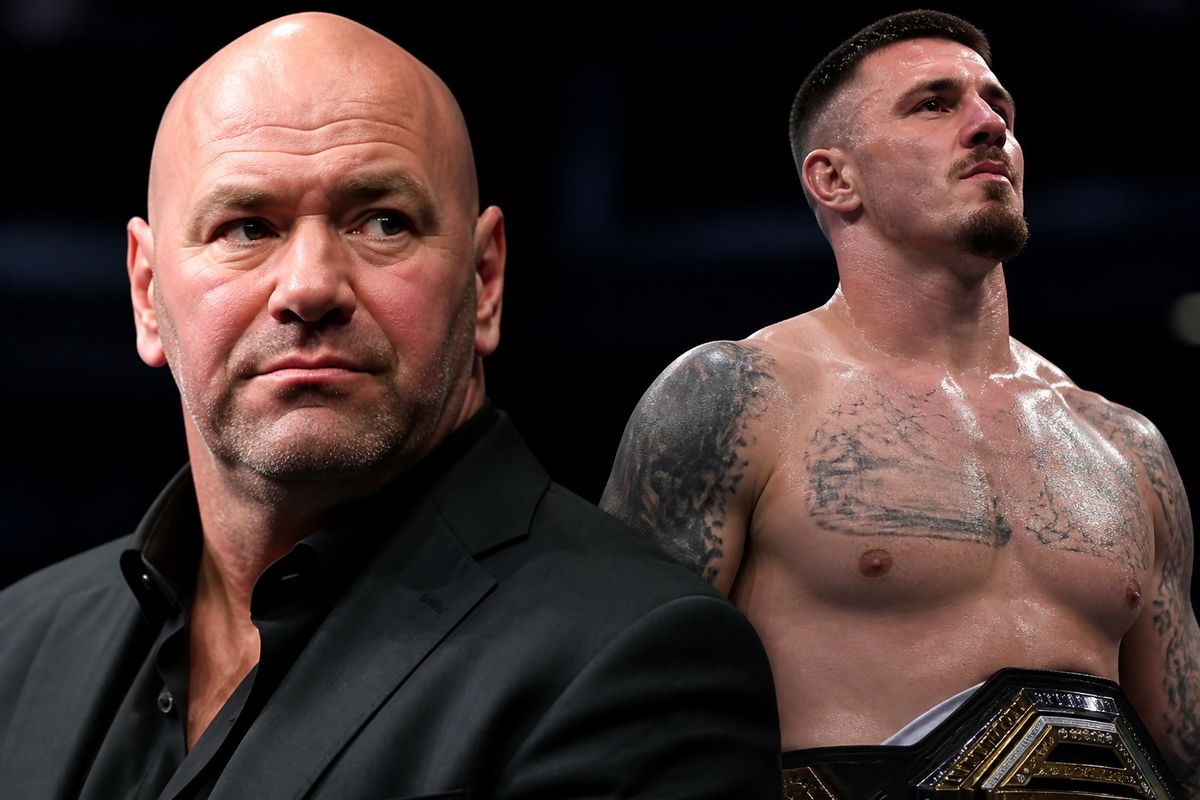
UFC heavyweight title uncertainty grows as Dana White weighs action on Tom Aspinall
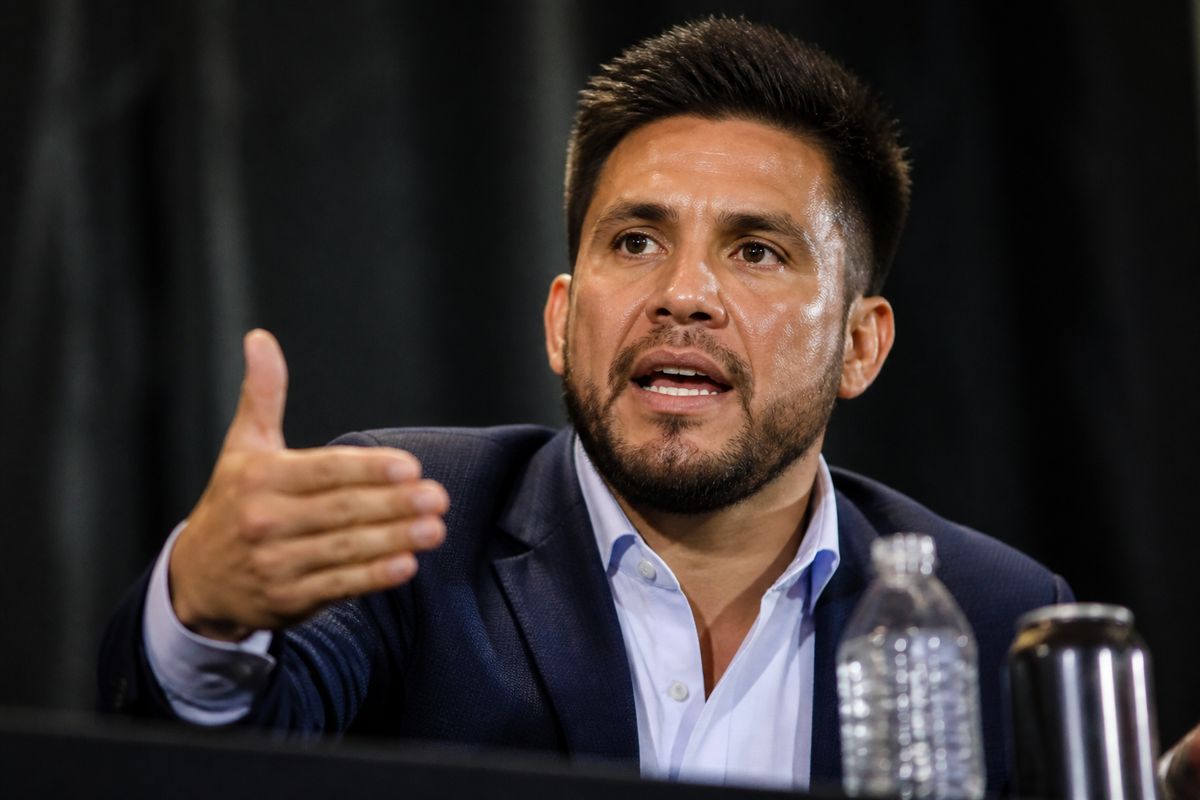
The UFC heavyweight title picture is back in flux in September 2026, not because of a result inside the cage, but because of what is not happening. UFC president Dana White signals that the promotion will discuss stripping Tom Aspinall due to inactivity as the injured champion approaches a year on the sidelines. The comments land amid mounting public pressure from fighters, including former two-division champion Henry Cejudo, who argues Aspinall “needs to vacate or be stripped at this point”.
The timing matters. The UFC has just come off Noche UFC 4 on Saturday, 12 September 2026, a card that delivers a fresh set of contenders, storylines and momentum across multiple divisions. Yet the heavyweight belt, historically the organisation’s most marketable symbol of supremacy, risks becoming a static prop. White’s willingness to even entertain stripping a champion is itself a development, because it suggests the UFC is preparing to prioritise activity and clarity over patience, even in a division where injuries and long layoffs are common.
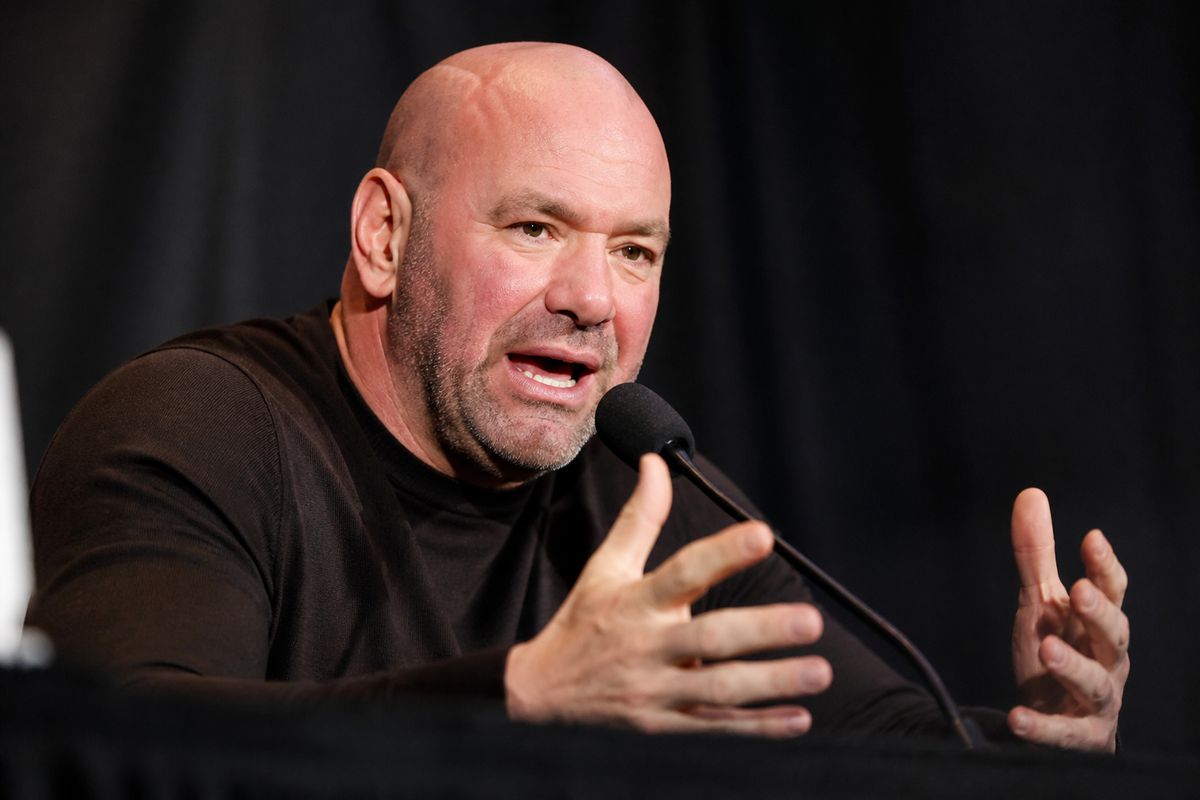
What makes the current moment especially charged is the wider context of combat sports in mid-September 2026. MMA headlines are crowded with urgent career crossroads, from Arman Tsarukyan calling his UFC 331 co-main event “do-or-die”, to Khamzat Chimaev warning he may take time off if he does not get booked by December because he has “a lot of injuries”. In that environment, the UFC heavyweight title situation becomes a test case for how the promotion balances athlete health, business imperatives and the credibility of championships.
What Dana White is signalling about the UFC heavyweight title
White’s public posture is cautious but pointed. He indicates the UFC will “discuss stripping” Aspinall for inactivity, framing it as an issue the promotion should “clear up soon”. The language is notable because it moves beyond vague frustration and into procedural territory. A discussion about stripping is not the same as a decision, but it is a step that typically precedes either an interim title plan, a formal vacancy, or a firm timetable for a champion’s return.
The source material does not provide a medical timeline for Aspinall’s injury, nor does it specify the exact date of his last defence. What it does make clear is the UFC’s internal concern that the champion is nearing one year of inactivity. In a sport where rankings move quickly and contenders can peak and fade within a calendar year, that length of absence has consequences. It can stall the division, freeze matchmaking, and create a backlog of contenders who cannot access the belt without taking risky eliminator bouts.
White’s comments also arrive alongside reporting that he is hesitant when asked about Aspinall’s heavyweight title status. Hesitation is revealing in a promotion that usually prefers definitive messaging. It suggests competing priorities: protecting the legitimacy of a champion who is injured, while also protecting the legitimacy of the title itself. The UFC has repeatedly sold its belts as prizes for the best fighters in the world, but it also sells them as active, defendable assets that drive pay-per-view and broadcast value. When a belt is inactive, both claims become harder to sustain.
Tom Aspinall’s predicament and the UFC’s history with inactivity
Aspinall’s situation is not unique, but it is politically sensitive because heavyweight champions are often treated differently. The division has long been shaped by injuries, contract disputes, and the sheer physical toll of training for elite-level heavyweight fights. The UFC has previously used interim titles as a pressure valve, allowing the promotion to keep the division moving while preserving the champion’s status. However, interim belts can also create confusion, especially if the champion’s return date keeps slipping.
The source material does not list prior heavyweight precedents, and it would be inappropriate to invent them. Still, the pattern is familiar to fans: when a champion cannot defend, the UFC must choose between three imperfect options. First, wait and accept stagnation. Second, create an interim champion and promise a unification bout. Third, strip the champion and reset the division. Each option carries reputational risk. Waiting frustrates contenders and audiences. Interim titles can feel like marketing devices if unification is delayed. Stripping can look harsh if the champion is genuinely injured and willing to return.
What complicates Aspinall’s case is the public nature of the pressure. Cejudo’s call for stripping or vacating is not a quiet complaint from a manager. It is a former champion using his platform to frame the issue as one of sporting fairness. That framing matters because it pushes the UFC towards a decision that can be defended as principled rather than purely commercial. If the UFC acts, it can point to competitive integrity and the need for an active champion. If it does not act, it must justify why heavyweight is treated as an exception.
Henry Cejudo, contender pressure, and the politics of UFC titles
Cejudo’s intervention is significant because he is not a heavyweight contender lobbying for a specific fight. He is a high-profile former champion who understands how the UFC uses titles to structure narratives and negotiate leverage. By saying Aspinall “needs to vacate or be stripped at this point”, Cejudo effectively argues that the belt belongs to the division, not the individual. It is a rhetorical move that aligns with the UFC’s own branding of championships as the pinnacle of an active meritocracy.
That argument resonates across the roster because many fighters experience the opportunity cost of inactivity at the top. A stalled title picture can force contenders into repeated high-risk bouts that do not materially improve their position. It can also depress earning potential, because title fights typically come with higher pay, greater sponsorship visibility, and career-defining exposure. The UFC does not disclose fighter pay in the source material, so the financial impact cannot be quantified here. But the structural incentive is obvious: fighters want belts defended regularly because it creates openings.
The politics intensify when other divisions show the opposite dynamic: constant motion. At Noche UFC 4, for example, Jean Silva caps the event by tapping out Jose Miguel Delgado with a one-armed submission in the main event. Brandon Moreno snaps a two-fight losing streak with an impressive win over Joseph Morales. Tommy McMillen stays undefeated after a back-and-forth war with Marwan Rahiki, then becomes a storyline again by explaining why he flipped off Rahiki’s coaches, calling them “a bunch of losers”. These are the kinds of moments that keep divisions moving and audiences engaged. Heavyweight, by contrast, is being defined by absence and administrative debate.
Noche UFC 4 shows what momentum looks like when titles are not stalled
Noche UFC 4, held on Saturday, 12 September 2026, provides a useful contrast to the heavyweight logjam. The card generates clear winners, fresh narratives, and immediate matchmaking questions. Silva’s submission win over Delgado is not just a highlight, it is a statement that can be leveraged into a bigger opportunity. Moreno’s rebound performance resets his trajectory after a difficult run. McMillen’s undefeated status and high-intensity fight create a platform for the UFC to build a new name, especially when paired with the kind of combustible personality that produces headlines beyond the result.
Even the bonus structure becomes part of the story. The source material notes that McMillen banks a $100K bonus “yet again” at Noche UFC 4. That detail matters because it signals the UFC’s promotional incentives in action: reward excitement, amplify the fighter, and create a reason for fans to follow the next step. Heavyweight, without an active champion, cannot easily replicate that cycle at the very top of the division.
Noche UFC also underlines how quickly the UFC can pivot when it has clarity. Post-fight matchmaking pieces appear immediately, and the conversation turns to “matches to make” rather than “what is happening with the belt”. That is exactly the kind of discourse the UFC wants around heavyweight. A title that is defended regularly creates a predictable rhythm: contender emerges, title fight booked, champion tested, division reshuffled. When the belt is inactive, the rhythm breaks, and the UFC’s storytelling machine starts to sputter.
Injury reality across MMA, from Khamzat Chimaev to ADCC, adds pressure on the UFC to set a standard
Aspinall’s injury is not happening in isolation. Chimaev says that if he does not get a fight by December, he is taking time off because he has “a lot of injuries”. That is a blunt reminder that elite MMA careers are often managed around damage, not just ambition. Fighters routinely train through issues that would sideline athletes in other sports. When they finally stop, the absence can be lengthy, and the sport’s calendar does not pause to accommodate them.
The grappling world offers another snapshot of volatility. ADCC 2026 produces major storylines, including Duarte being dethroned and injured, and a 14-year-old girl becoming the youngest ever ADCC medalist, according to the source material. There is also a reported huge brawl involving Gordon Ryan, with Ryan commenting, “Thanks to the Kazakh guys for the scrap”. These details show how combat sports ecosystems are simultaneously professional and chaotic, with injuries, breakthroughs, and flashpoints all competing for attention.
For the UFC, this broader context raises a governance question: what standard does the promotion set for champions who are injured? If the UFC is seen to treat heavyweight differently, it risks resentment elsewhere on the roster. If it is seen to treat injured champions harshly, it risks discouraging transparency about health. The UFC’s decision on Aspinall therefore becomes a signal to every champion and contender about how the company will respond when bodies break down.
Why It Matters
The UFC heavyweight title debate is not just about one injured champion, it is about the organisation’s control of time. In modern MMA, the scarcest resource is not talent, it is prime competitive years. A year of inactivity at the top of a division can erase a contender’s window, reshape rankings through unrelated results, and change the commercial landscape as new stars emerge. When White says the UFC should “clear up” Aspinall’s status soon, he is effectively acknowledging that uncertainty has a cost, and that cost compounds the longer it lasts.
There is also a deeper branding issue. The UFC sells championships as definitive, but fans increasingly understand that titles are also administrative tools. Stripping a champion can restore competitive momentum, but it can also confirm suspicions that belts are managed for convenience. The UFC’s challenge is to make any decision feel consistent with a coherent philosophy. If the promotion strips Aspinall, it will need to articulate a clear threshold for inactivity and apply it consistently. If it keeps the belt on Aspinall, it will need to provide a credible pathway for the division to move, likely through an interim title or a guaranteed return date.
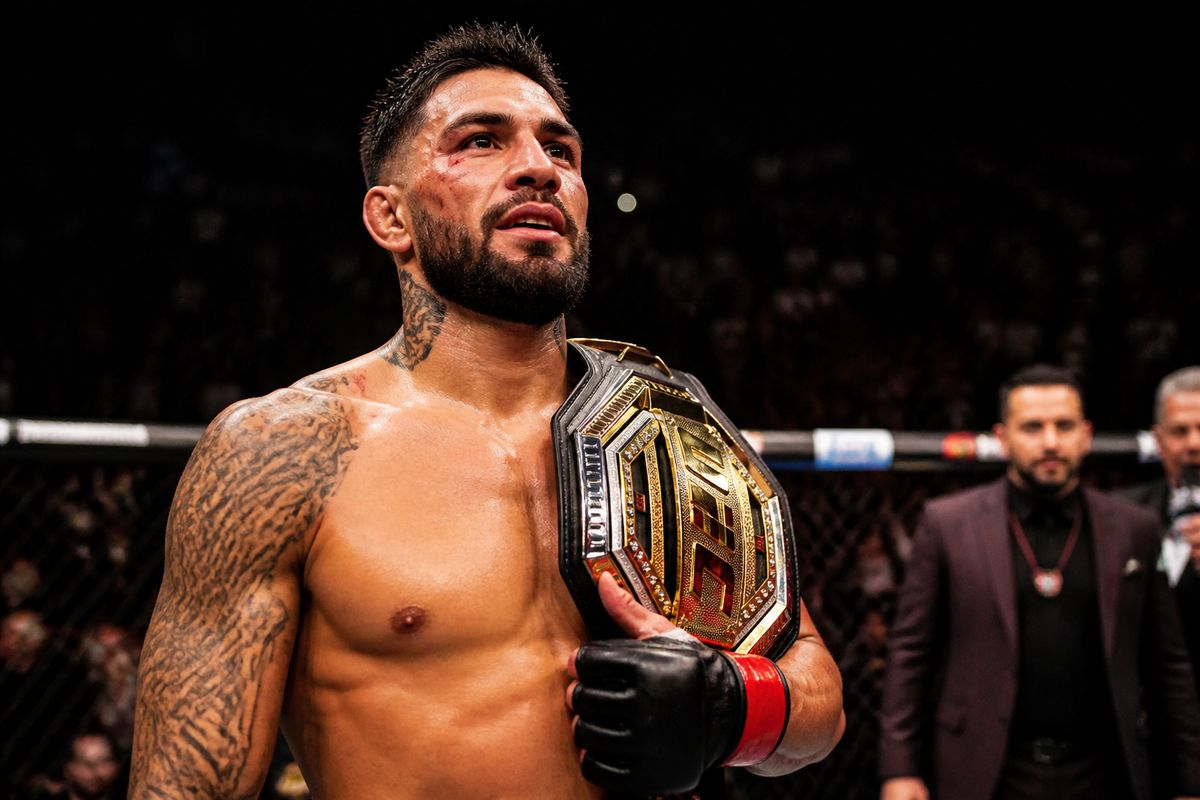
Finally, the heavyweight division has symbolic weight beyond its rankings. Heavyweight champions are often treated as the face of fighting itself, even when lighter divisions deliver more technical depth. A stalled heavyweight title therefore has an outsized impact on the UFC’s mainstream narrative. Noche UFC 4 demonstrates how quickly the UFC can generate momentum when the stakes are clear. The heavyweight belt should be the easiest story to sell. If it becomes the hardest, that is a strategic problem, not merely a medical one.
What happens next for the UFC heavyweight title picture
The immediate next step is procedural: White says the UFC will discuss Aspinall’s status. The source material does not specify who would be involved in that discussion, nor does it identify a date for a decision. But the public nature of the comments suggests the UFC is preparing audiences for a change, whether that is stripping, an interim title announcement, or a firm commitment to a return timetable.
Whatever the UFC chooses, it will need to manage the messaging carefully. If Aspinall is stripped, the promotion must avoid appearing to punish injury, while still emphasising the need for an active champion. If an interim title is introduced, the UFC must avoid letting the “interim” label linger indefinitely, which can dilute the belt’s meaning. If the UFC simply waits, it risks further criticism from fighters like Cejudo and a broader sense that the division is being held hostage by circumstances.
In the meantime, the rest of the sport keeps moving. Tsarukyan frames UFC 331 as a career-defining moment, saying that if he loses he will “never” see a title fight. Chimaev weighs time off if he cannot secure a booking by December. Noche UFC 4 produces new winners and new questions. Against that backdrop, the UFC heavyweight title cannot remain an unresolved footnote for long. The promotion’s next decision will shape not only heavyweight matchmaking, but also the credibility of its championship system heading into the final months of 2026.