
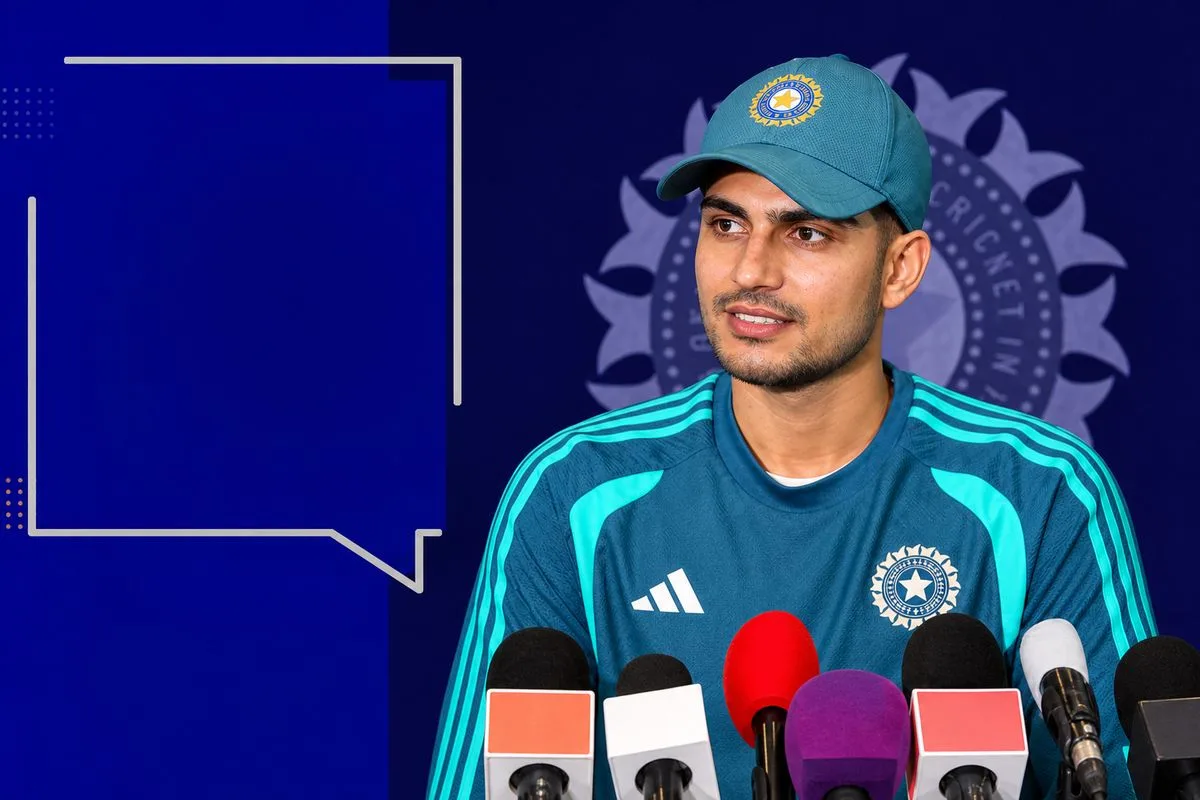
ind vs nz odi in Auckland, the series begins with India choosing to chase
The latest ind vs nz odi storyline begins in Auckland, where India captain Shubman Gill wins the toss and opts to bowl in the first ODI of the series. The decision immediately frames the match as a test of India’s pace heavy attack against New Zealand’s top order in home conditions, and it sets up a chase that India clearly backs itself to manage.
Within the first innings, the headline development is decisive: New Zealand are bowled out for 185. That figure, reported during live coverage, is the clearest hard marker from the available material, and it shapes everything that follows. A total of 185 in an ODI is not automatically insignificant, but it is a score that usually demands either exceptional bowling support later, or a surface that is far more difficult than it first appears.
Live match snapshots underline how the chase starts to take shape. One update shows India 42 for 1 after 8.3 overs, indicating early progress with a single wicket down. Another live report notes that play is scheduled to start at 7:40 AM IST, a reminder that for Indian audiences this is a morning fixture, while for New Zealand it is a home day game with all the tactical implications that brings.
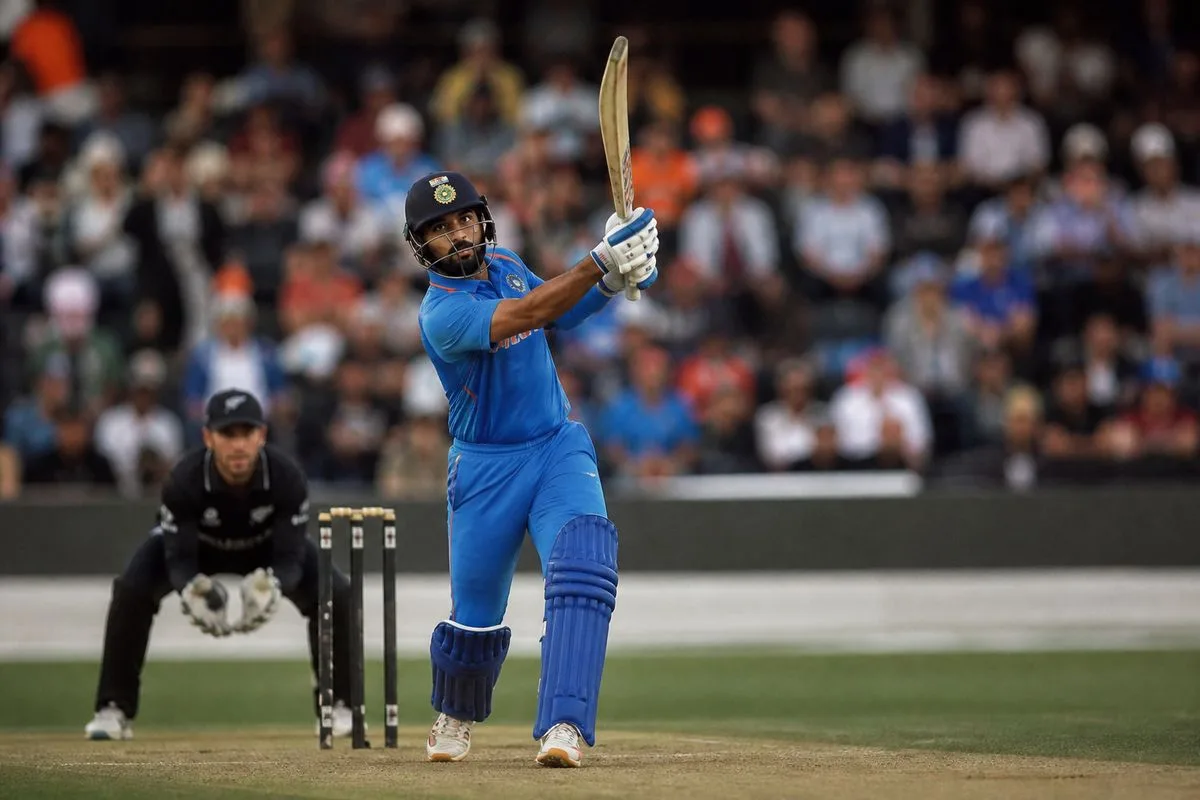
Even before individual performances are fully defined in the source material, the opening day narrative is clear. India’s captain makes a proactive call at the toss, India’s bowlers deliver a complete innings by dismissing New Zealand for 185, and the chase begins with India already moving at a workable tempo.
ind vs nz odi 1st ODI, what the live updates actually confirm
Because this match is unfolding in real time across rolling live feeds, the most reliable approach is to separate what is confirmed from what is still noise. The confirmed points from the provided material are specific and match defining: India choose to bowl first after winning the toss in Auckland, and New Zealand are bowled out for 185. Those two facts alone tell readers a great deal about how the contest is trending.
First, India’s choice to bowl is rarely just a reflex. In New Zealand, teams often weigh early movement for seamers, the possibility of later dew, and the relative clarity of chasing a target under lights or in changing conditions. While the sources do not specify the weather or pitch report, the decision itself signals that India’s management believes its bowling unit can create enough pressure to keep New Zealand below par, and that its batting has the depth and composure to chase.
Second, the number 185 is not an abstract statistic, it is a strategic constraint. It compresses New Zealand’s margin for error in the second innings. With 185 on the board, New Zealand’s bowlers typically need early wickets in clusters, plus sustained control through the middle overs, to force a chase into a high pressure finish. The live update of India 42 for 1 in 8.3 overs suggests India are already laying a platform rather than scrambling.
Third, the live commentary ecosystem around this fixture highlights the scale of attention. Community match threads and live discussions track every over, every selection call, and every momentum swing, and that scrutiny matters. In a high profile ind vs nz odi series, tactical decisions are not just made for the dressing room, they are made under a microscope, and that can influence how boldly captains use their resources.
Teams and key figures, Gill’s captaincy call and New Zealand’s batting order
This match also functions as a snapshot of leadership and roles. Shubman Gill, named in live coverage as India’s captain for the first ODI, is central to the day’s defining decision. Choosing to bowl first is the kind of call that can look routine if it works, or reckless if it fails. Here, with New Zealand dismissed for 185, the early evidence supports the logic of backing India’s bowlers to set the terms.
On the New Zealand side, the playing XI listed in community discussion provides a clear picture of the batting core and the balance they attempt. The XI includes Tim Seifert, Will Young, Henry Nicholls, Daryl Mitchell, Tom Latham as wicketkeeper, Glenn Phillips, and others. That spine blends experience and adaptability, with Latham and Mitchell in particular typically associated with stabilising innings and managing ODI tempo. The fact that this line up is still dismissed for 185 indicates either sustained pressure, a surface that rewards discipline, or a failure to convert starts into a competitive total.
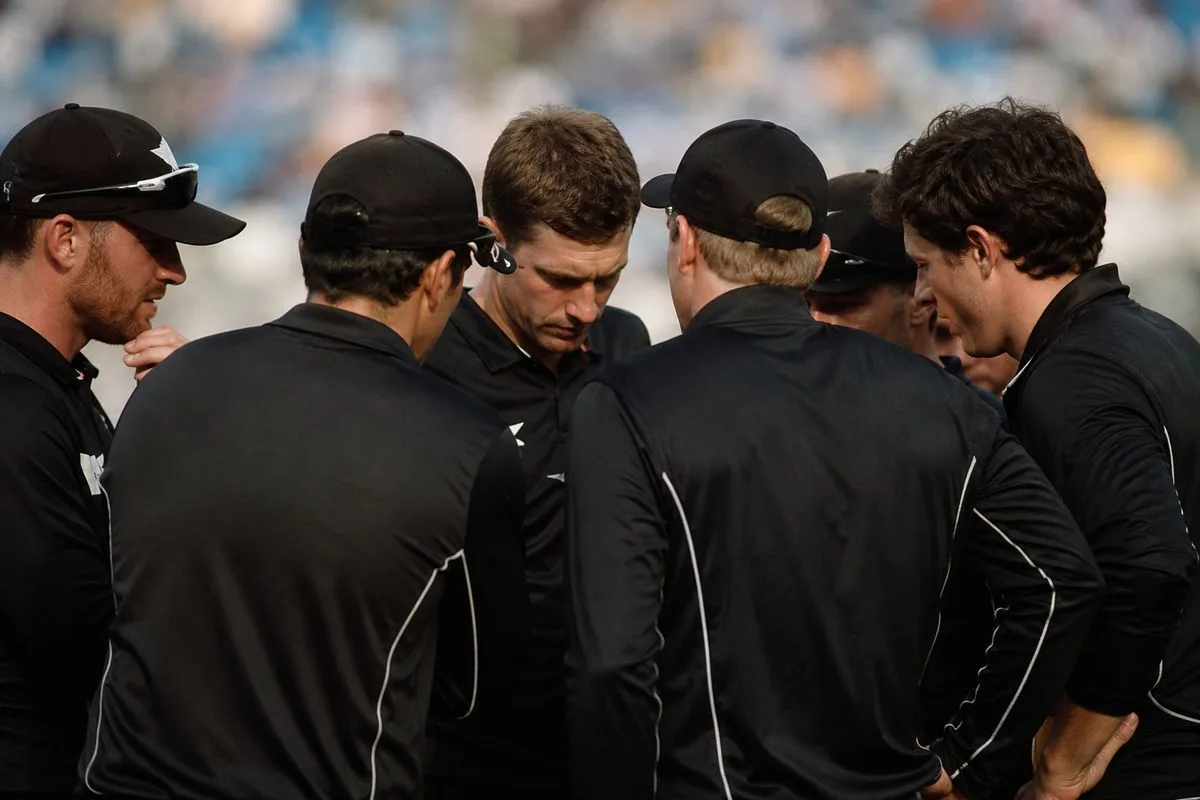
It is also notable how fans frame the series in advance. In discussion leading into the tour, supporters reference recent history, including a prior tour where India won the T20s 1 to 0 while New Zealand won the ODIs 1 to 0, with rain affecting outcomes. That context matters because it reinforces a theme that often defines India and New Zealand limited overs meetings: small sample series, weather interruptions, and narrow windows where one match can decide the narrative.
While the sources do not provide a full scorecard or individual wicket tally, they do confirm the broad shape of the innings. New Zealand lose all ten wickets, and India’s attack is described as pace heavy. That detail is important because it suggests India are leaning into seam and swing options rather than treating conditions as a spin first puzzle.
How India’s pace heavy approach shapes the ind vs nz odi contest
The phrase pace heavy attack is doing a lot of work in the match framing. In New Zealand, pace bowling is often a natural fit, but it still requires control, especially in ODIs where batters can reset after early wickets and build through the middle overs. Bowling a side out for 185 implies India’s seamers do more than take the new ball wickets, they also maintain pressure deep enough into the innings to prevent recovery partnerships.
From a tactical perspective, dismissing New Zealand rather than merely restricting them is significant. ODIs are frequently defined by resource management, captains are often content to concede singles if it means avoiding boundary bursts. Bowling a team out suggests India keep creating dismissal chances, and that New Zealand either take risks to break the squeeze or lose wickets while trying to rotate strike. Either way, it points to a contest where India dictate terms for long stretches.
The chase context matters too. A target of 186 changes how India’s batters can approach the innings. They can prioritise time at the crease, avoid low percentage shots, and still stay ahead of the required rate. The live snapshot of 42 for 1 after 8.3 overs indicates a start that is neither frantic nor stalled. It is the kind of beginning that allows a chasing side to absorb a good spell without panic, then accelerate later with wickets in hand.
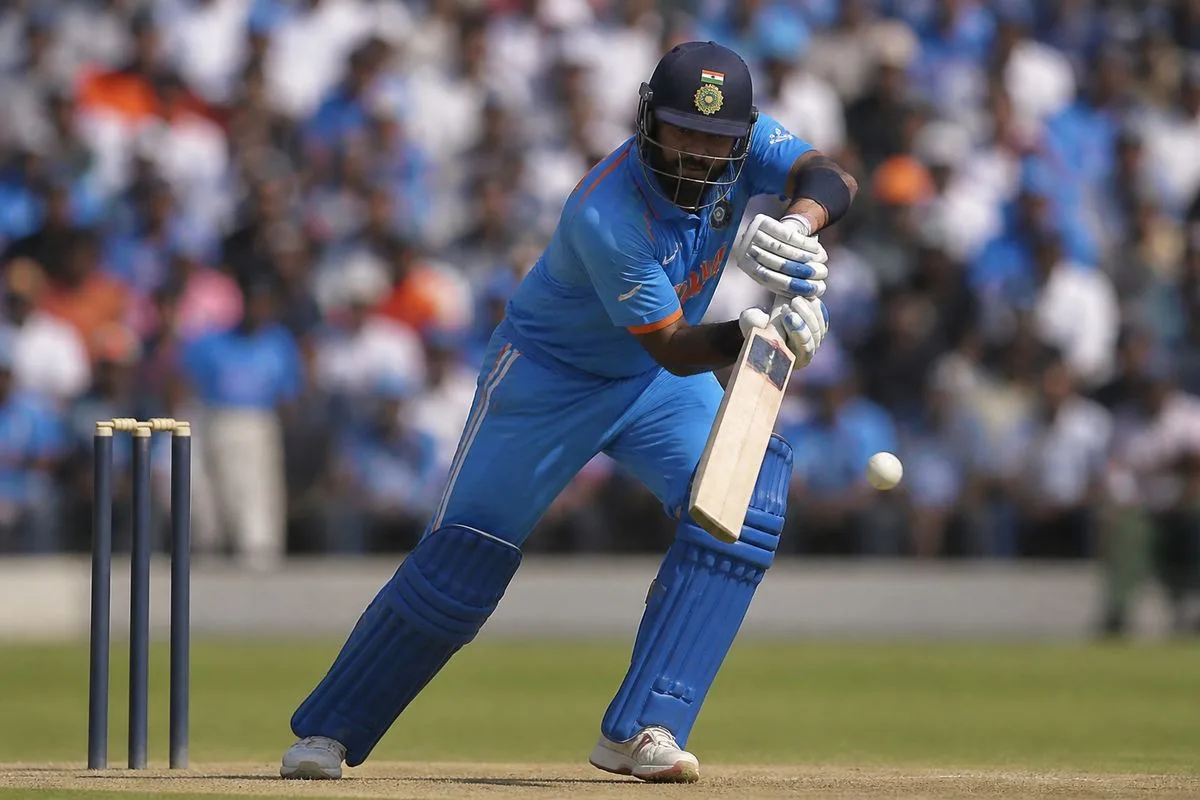
For New Zealand, defending 185 is not impossible, but it requires a near perfect script. Early wickets are essential, and so is fielding that creates extra pressure. In a match of fine margins, a dropped catch or a misfield can be the difference between a defendable total and a straightforward chase. The sources do not confirm fielding events, so the analysis rests on the structural reality: New Zealand’s bowlers must create chaos early, because the scoreboard alone does not apply enough pressure.
Historical context, why ind vs nz odi series often turn on conditions and momentum
India and New Zealand ODI contests are frequently shaped by conditions, scheduling, and the psychological weight of short series. The community discussion referenced in the material points to a recent tour where India won the T20s 1 to 0 and New Zealand won the ODIs 1 to 0, with rain playing a role. That kind of outcome is not just trivia, it is a reminder that in limited match ODI legs, one abandoned game or one collapse can decide the official record.
Auckland as a venue also carries its own logic. While the sources do not provide pitch specifics, New Zealand grounds often reward bowlers who hit a disciplined length and can move the ball. That aligns with India’s decision to bowl first and with the description of a pace heavy plan. When the surface and overheads favour seam, the toss becomes more influential than in flatter environments, and captains often prefer to exploit early assistance.
There is also a broader pattern in modern ODI cricket: totals that once felt safe are now routinely chased, but only when conditions allow clean hitting and predictable bounce. A total of 185 sits in a different category. It is not a modern par score, it is a total that requires the defending side to manufacture pressure through wickets. That is why the early chase update matters, it hints at whether New Zealand can create that pressure or whether India can keep the innings under control.
Finally, the attention economy around India matches changes the temperature of every decision. Live streams, rolling score updates, and large match threads mean that selection calls and tactical moves are debated instantly. That does not change the ball’s movement, but it does influence narratives around leadership. For Gill, the toss call is already a headline, and if India complete the chase, it becomes part of his growing captaincy story.
What This Means For You
For readers following ind vs nz odi for betting, fantasy, or simply to understand match direction quickly, the key takeaway is how much the toss and first innings total simplify the game. India choosing to bowl and then dismissing New Zealand for 185 creates a chase where India can play percentage cricket. That usually reduces volatility, which matters if a reader is trying to judge whether the match is likely to swing dramatically or settle into a controlled pursuit.
For fans tracking player roles rather than just results, this match is a reminder to watch the team’s stated approach, not just individual highlights. A pace heavy attack suggests India believe conditions reward seam, and that influences everything from powerplay field settings to how aggressively captains use short spells. When a team commits to that plan and gets the opposition all out, it is a signal that the strategy is aligned with the surface. Readers can apply that logic across the series, if similar conditions persist, seam options may remain central, and totals may remain lower than what viewers expect in other countries.
For anyone trying to keep up with the series despite time zones, the practical implication is to anchor attention around confirmed inflection points. In this case, those points are the toss decision, the fact New Zealand are all out for 185, and the early chase position of 42 for 1 after 8.3 overs. Those three markers tell a coherent story even without a full scorecard. They allow a reader to infer who has control, what the defending side must do next, and how much risk the chasing side needs to take.
Closing thoughts, the first ODI sets the tone for the series
The opening match of an ODI series often becomes a referendum on preparation and adaptability. Here, the early evidence from live reporting suggests India arrive with a clear plan, trust their bowlers, and execute well enough to dismiss New Zealand for 185. That is not merely a good session, it is a match shaping outcome that forces New Zealand into a reactive posture for the rest of the day.
For New Zealand, the challenge is to treat this innings as a problem to solve rather than a verdict on the side’s quality. The batting line up contains proven ODI contributors, including Tom Latham, Daryl Mitchell, and Glenn Phillips, and collapses can happen even to strong teams when conditions and pressure align. The immediate task is to find a way to create early wickets and make 185 feel larger than it is.
For India, the opportunity is to convert a strong bowling performance into a clean chase, because that is how series momentum is built. A controlled pursuit would validate Gill’s toss call and reinforce the idea that India can dictate terms in New Zealand conditions. In a series where recent history includes rain affected, low match count outcomes, banking the first result can be the difference between a comfortable tour narrative and another tight, weather vulnerable contest.
As the match continues, the most important unanswered questions are not about hype, they are about execution: can New Zealand take wickets early enough to apply genuine pressure, and can India avoid the kind of chase complacency that sometimes turns small targets into awkward puzzles. The first ODI already provides one clear conclusion, though. In this ind vs nz odi opener, India’s bowl first decision is backed by a complete dismissal of the hosts for 185, and that sets a demanding standard for the rest of the series.