Not going out, again, BBC sets a 20th anniversary homecoming for a modern sitcom institution
Not going out is not just back, it is back with a milestone baked into the schedule. The BBC confirms that Not Going Out Series 15 launches on Wednesday 23 September 2026 on BBC One and BBC iPlayer, and it pairs the return with a celebratory companion programme, 20 Years of Not Going Out, airing immediately after the series premiere. For a sitcom that first went out in 2006, the double bill is a statement of intent: this is not a quiet continuation, it is a network level anniversary moment.
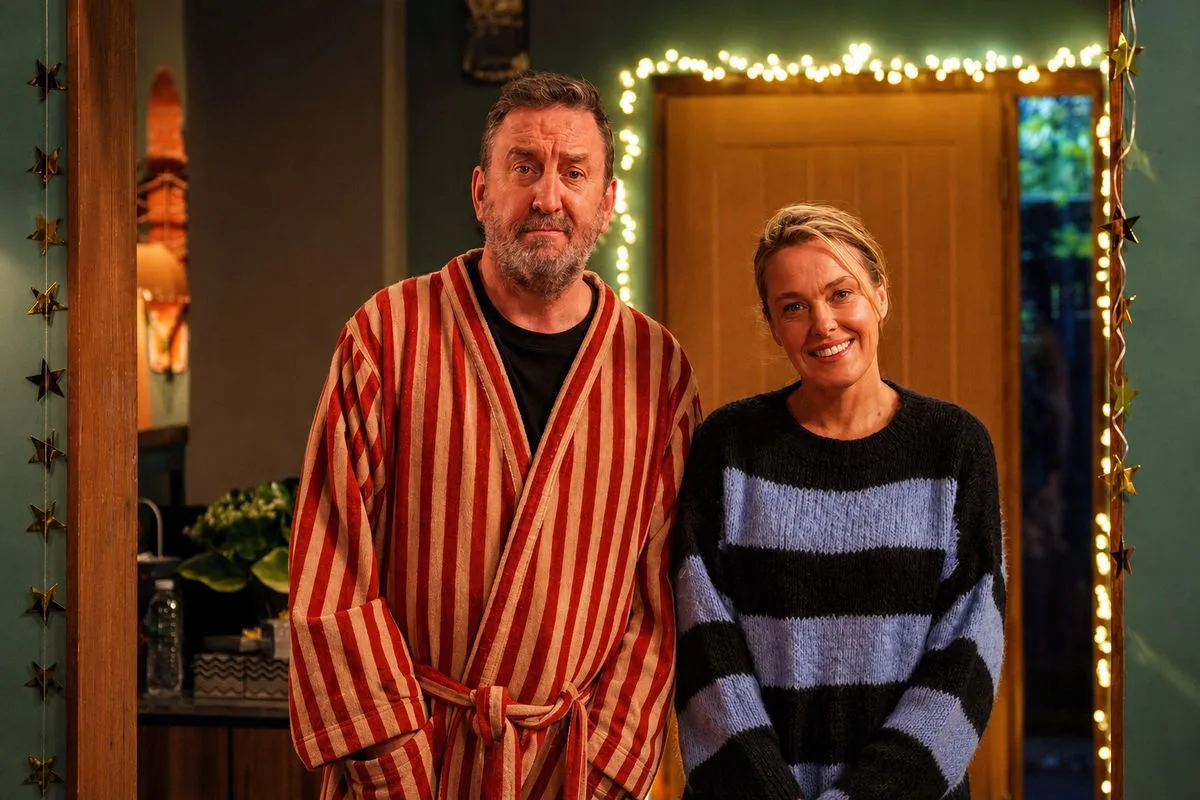
The new run picks up with Lee (Lee Mack) and Lucy (Sally Bretton) as empty nesters after their children head off to university, a shift that signals a fresh domestic phase without abandoning the show’s core engine, a marriage built for escalation, misunderstanding and rapid-fire argument. The BBC frames the opener as a self-aware nod to longevity, with a plot that explicitly references the show’s time on air, and then invites viewers to stay for a documentary that promises archive material, outtakes and behind-the-scenes access.

In an era when long-running scripted comedy is increasingly rare on UK terrestrial television, the BBC is also leaning into the show’s status. Not Going Out is described as the UK’s longest-running British sitcom currently on air, and it has passed 100 episodes, a threshold it crossed in 2023. TV Zone UK puts the current count at 106 episodes (and counting). The anniversary programming, therefore, is not simply nostalgia, it is a strategic reminder that the BBC still has a mass audience comedy brand that has endured across multiple eras of viewing.
Not going out Series 15, release date, plot set-up, and how the BBC is scheduling the celebration
The headline development is straightforward and unusually viewer-friendly: all of Series 15 and the documentary are available on BBC iPlayer from 23 September 2026, and the linear broadcast begins the same night on BBC One. The BBC’s decision to place 20 Years of Not Going Out directly after the premiere functions like a curated event, encouraging casual viewers to sample the new episode and then stay for a guided recap of why the show matters.
Series 15 opens with an episode built around a house party and a bedroom ban. When Lucy’s goddaughter Ella has her 20th birthday party at Lee and Lucy’s home, Lucy forbids Lee from leaving the bedroom to “check everything is OK”, because she expects him to ruin it. The gag, as trailed, is that Lee cannot resist intervening when he hears someone playing his special edition Frankie Goes to Hollywood LP. The premise is classic Not Going Out: a simple domestic rule, an irresistible temptation, and a predictable cascade of consequences.
TV Zone UK’s episode guide signals that Series 15 continues to mix domestic embarrassment with topical, recognisable set-ups. Among the plots: a beauty treatment goes wrong, leaving Lucy too mortified to be seen; Lee tries to cover up the situation when Anna and Toby arrive for a long-awaited visit; Lee misreads a paid-for Cameo message from Nigel Planer as genuine friendship and approaches him in a packed restaurant; and later episodes involve a church doorstep visit that becomes an argument about money, an alternative craft fair where Lucy sells “badly made dream catchers”, and a farcical attempt to steal an “undiscovered Banksy” that spirals into blackmail when Lee hints he might be the artist.
That range matters because it shows how the show has evolved without losing its formula. The series still thrives on the collision between Lee’s impulsiveness and Lucy’s attempts to impose order, but it now places that dynamic into contemporary situations, from Cameo culture to the modern mythology around Banksy. The BBC is effectively saying: the show is 20 years old, but it is not trapped in 2006.
From 2006 flatshare to empty nest, how Not Going Out keeps reinventing its domestic engine
One reason Not Going Out has lasted is its willingness to retool its premise while keeping the central comic voice intact. TV Zone UK summarises the show’s early shape: it begins in 2006 with Lee as a juvenile, lazy slacker, drifting between jobs, living off the goodwill of his Californian landlady. That original set-up gives the series a classic sitcom base, a flat, a feckless protagonist, and a supporting cast that can rotate in and out.
The show then pivots into its defining relationship arc when Lucy, the sister of Lee’s best friend, buys the flat. The will-they-won’t-they tension becomes the spine of the early years, eventually paying off in a “highly emotional” series finale in which Lee and Lucy marry, followed by Lucy having a baby shortly after. Rather than stretching the romantic uncertainty indefinitely, the sitcom commits to change, and that decision helps explain its longevity: it creates new story territory rather than repeating the same beats.
Later, the series makes one of its boldest moves, jumping forward eight years into married life and the chaos of raising three children. That time jump is a reminder that the show is not afraid to disrupt its own continuity to find fresh comedic pressure points. The latest shift, into an empty nest phase after the children leave for university, continues that pattern. It allows the writers to return to couple-centric farce, while still carrying the history of family life in the background.
This is also where the anniversary matters. A 20-year run is long enough for a sitcom to have multiple “versions” of itself, and the BBC is acknowledging that by promising a documentary featuring cast and crew from “all eras”. In other words, the show’s longevity is not just about one era of jokes, it is about a continuing ability to reframe the same marriage and the same comic sensibility in new domestic circumstances.
Who is involved in the 2026 return, cast, guest stars, and the documentary’s promise of access
At the centre, as ever, is Lee Mack, creator and star, with Sally Bretton as Lucy. Series 15 also brings back familiar faces. Radio Times reports that Hugh Dennis and Abigail Cruttenden reprise their roles as Toby and Anna, arriving for a weekend visit that coincides with Lucy’s botched beauty treatment, a set-up designed to trap the couple in escalating lies and embarrassment. The return of recurring characters is not just fan service, it is a way to create instant comic history inside an episode, because these characters arrive with pre-existing dynamics and expectations.
There is also a guest appearance that signals the show’s comfort with meta-comedy. Nigel Planer, known for The Young Ones, appears as himself in an episode where Lee, after receiving a Cameo message, assumes the two are now friends. The joke is built on a modern phenomenon, personalised celebrity messages, and on an older comedic tradition, the awkward fan encounter. It is a neat example of how the show can bridge generations of British comedy without turning into a museum piece.
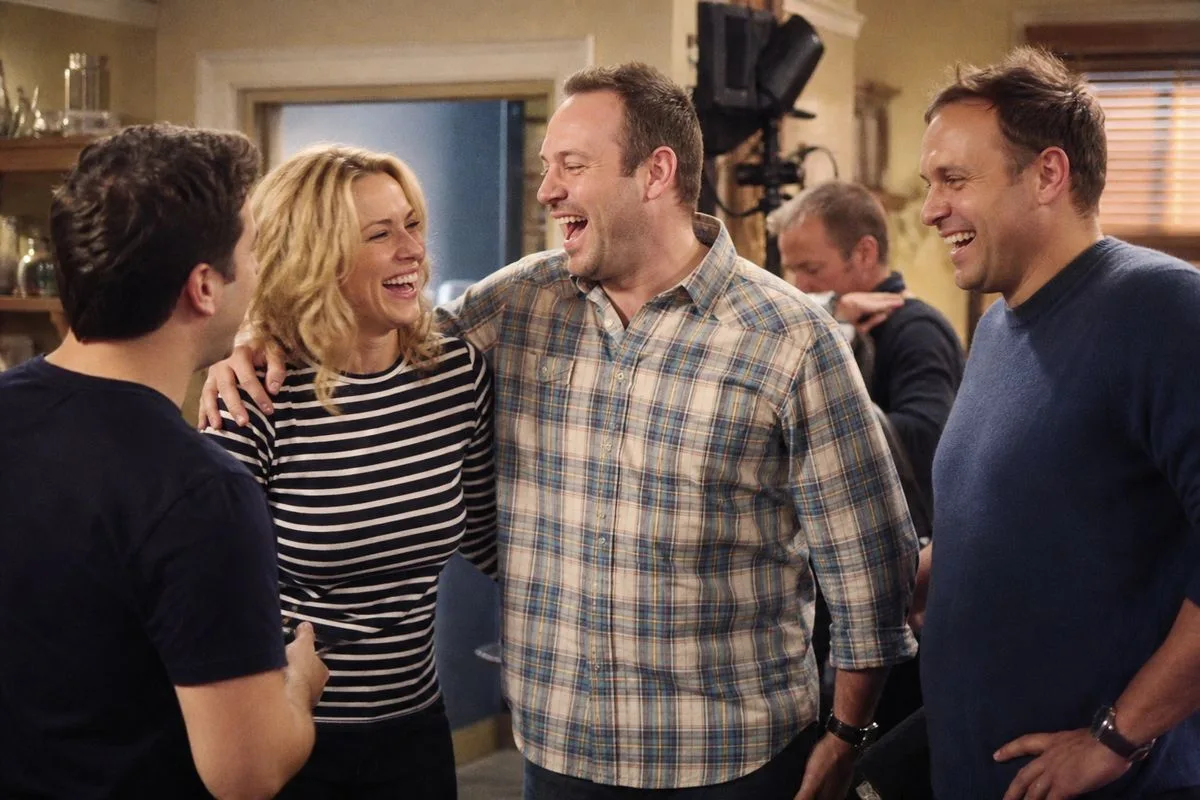
The documentary, 20 Years of Not Going Out, is positioned as more than a clip show. The BBC says it will include “classic clips, exclusive archive material and never-before-seen outtakes”, and it promises Lee Mack reflecting candidly on behind-the-scenes stories and “surprising twists” that shaped the show’s evolution. TV Zone UK adds a key detail: cameras follow the creative team from the first spark of an idea in the writers’ room, through readthroughs and rehearsals, to the studio recording of a birthday-themed episode. That is a level of process access that sitcoms do not always offer, especially for a show still in production.
Lee Mack’s own quote, as reported by TV Zone UK, sets the tone: the team is “delighted” to give a “warts and all” look at how it is made. The BBC’s Director of Comedy, Jon Petrie, frames the milestone as “an extraordinary achievement for any sitcom” and positions the documentary as a celebration and a rare look at production. The messaging is clear: the BBC wants viewers to see the craft, not only the finished jokes.
What the 20th anniversary says about British sitcoms, BBC comedy strategy, and why Not Going Out still travels
The BBC’s anniversary treatment is, implicitly, an argument about value. In a fragmented viewing landscape, a long-running studio sitcom that can still command attention is a dependable asset. The broadcaster is not releasing audience figures in the provided material, so it is not possible to quantify ratings impact here, but the scheduling choice speaks volumes: a prime-time return on BBC One, simultaneous iPlayer availability, and a documentary designed to deepen engagement.
Industry-wise, Not Going Out occupies a particular niche. It is a studio comedy with a mainstream sensibility, built around fast jokes and set-piece farce, rather than the single-camera dramedy style that has become more common on streaming platforms. TV Zone UK describes it as “beloved for its quick-fire gags, inventive set-pieces and unforgettable characters”. That is a description of a form that can feel increasingly endangered, yet the show’s survival suggests there is still a large audience for it when executed with pace and clarity.
The show’s longevity also highlights a pragmatic truth about British comedy: reinvention often beats reinvention-by-replacement. Rather than constantly launching new sitcoms and hoping one sticks, the BBC can nurture a proven brand through premise shifts, cast refreshes and time jumps. Not Going Out has effectively run as several sitcoms under one title, moving from flatshare to romance to family chaos to empty nest. That flexibility is a template other long-running comedies have used, but few have sustained it across 20 years while remaining on the same broadcaster.
There is also a cultural point about how comedy ages. Online community discussions about whether the show “held up” indicate that viewers notice tonal changes, especially around the family years. The BBC’s documentary, by promising a guided tour through “all eras”, may help reframe those shifts as deliberate evolution rather than inconsistency. It is a chance to tell the story of the show as a series of creative decisions, not just a long run of episodes.
Not going out at 20, how Series 15 uses contemporary premises without losing the classic farce mechanics
Series 15’s episode descriptions show a careful balancing act. The premises are contemporary, Cameo messages, Banksy mythology, alternative craft fairs, but the mechanics are classic farce: a lie that must be maintained, a temptation that cannot be resisted, a misunderstanding that escalates because the characters refuse to admit the obvious. That is the same engine that powered earlier episodes, now dressed in 2026 recognisability.
Take the premiere: Lucy’s rule is sensible, Lee’s impulse is irrational, and the object of obsession is specific enough to be funny, a “precious” special edition Frankie Goes to Hollywood LP. The specificity matters. It gives Lee’s behaviour a personal logic, even as it remains ridiculous, and it sets up a physical comedy scenario, Lee trapped upstairs, then compelled downstairs, where the party chaos awaits.
The Nigel Planer episode is similarly modern in its trigger but old-school in its payoff. The Cameo economy creates a new kind of parasocial confusion, and the restaurant setting provides a pressure cooker for public embarrassment. Meanwhile, the Banksy plot taps into a familiar British fascination with sudden wealth and cultural cachet, then turns it into a panic spiral when Lee hints he might be Banksy to escape a security guard. The story is not about art, it is about the consequences of bluffing, a timeless sitcom theme.
Even the church doorstep episode, framed around money, suggests the show is still interested in everyday moral arguments that couples have, then heightens them by introducing outsiders who become accidental referees. That is a classic sitcom device, a normal dispute made abnormal by the presence of guests, and it fits the empty nest era, where the couple’s conflicts can take centre stage again.
What's Next
The immediate next step is the audience test of the empty nest phase. Sitcoms that run this long often face a choice: keep adding new characters to replace those who leave, or narrow the focus back to the core relationship. Series 15 appears to choose the latter, with Lee and Lucy’s marriage once again the primary arena, while still bringing in returning characters like Anna and Toby to create friction. If the empty nest reset lands, it gives the writers room to explore middle-age anxieties, changing social lives, and the odd freedom that comes with children leaving home, all without losing the show’s farce-first identity.
The documentary could also change how the show is consumed. By offering “unprecedented access” to the making of an episode, the BBC is inviting viewers to appreciate the craft of studio comedy, the timing, the rewrites, the rehearsal process, the studio record. That matters in 2026 because audiences increasingly expect behind-the-scenes content as part of the entertainment package. If 20 Years of Not Going Out performs well, it may encourage the BBC to treat other comedy brands similarly, pairing new runs with process-driven companion programmes that deepen loyalty and extend viewing time on iPlayer.
Longer term, the anniversary framing raises the question of legacy planning. The BBC is positioning Not Going Out as a comedy history-book entry, and that can cut two ways: it can energise the fanbase, but it can also signal that the show is entering a late era where each new series is weighed against its own past. The smartest path, suggested by the Series 15 premises, is to keep the show forward-facing, using contemporary triggers for timeless farce. If it continues to do that, the series can remain a living sitcom rather than a commemorated one.
Closing thoughts, a milestone that doubles as a statement of confidence
The BBC’s 23 September 2026 double bill is more than a date announcement. It is a vote of confidence in a format, the studio sitcom, and in a specific comedy voice that has remained recognisably Lee Mack’s across two decades. The network is not only airing new episodes, it is packaging the show’s history, its creative process, and its cultural footprint into a single night designed to feel like an occasion.
For viewers searching not going out, the practical takeaway is clear: Series 15 starts on BBC One and arrives on BBC iPlayer on 23 September 2026, and it is followed by 20 Years of Not Going Out. The broader takeaway is that the BBC is treating the show as a cornerstone, not a holdover. In 2026, that is a notable stance, and it suggests that, for this particular sitcom at least, not going out remains very much in fashion.