UFC Freedom 250 forces a choice, is this a sporting milestone or a political spectacle?
UFC Freedom 250 is not just another pay per view weekend, it is a test of what the Ultimate Fighting Championship wants to be in 2026. Staged on the South Lawn of the White House on 14 June 2026, the event, also billed as UFC White House and UFC at the White House, turns the most symbolically loaded address in American politics into a live combat sports set. For fans, sponsors and streaming platforms, the question is no longer simply whether the fights deliver, it is whether the concept itself is worth normalising.
That is why UFC Freedom 250 is best understood as a comparison, spectacle versus sport. On one side sits the promise of a once in a lifetime venue, a limited seat arena, and a streaming exclusive that reportedly draws an average of 8.2 million viewers on Paramount+ in the United States and Latin America, with at least 17 million unique viewers, plus 34 million worldwide. On the other side sit the ethical and civic objections, including a Reuters Ipsos poll cited by Wikipedia that finds most Americans disapprove of using the White House to stage cage fighting, and a lawsuit by the Public Integrity Project that tries to stop the event on federal land before a federal judge allows it to proceed.

For the UFC, the stakes are commercial and cultural. The promotion gets a global stage and a patriotic framing tied to the 250th anniversary of the United States Declaration of Independence on 4 July 2026. For the White House, the stakes are reputational, because the presidential residence becomes a backdrop for a private entertainment product with an invite only crowd. For viewers, the stakes are about trust, is the UFC delivering elite sport, or selling a political mood board with punches attached.
UFC Freedom 250 event details, the White House arena vs a conventional UFC card
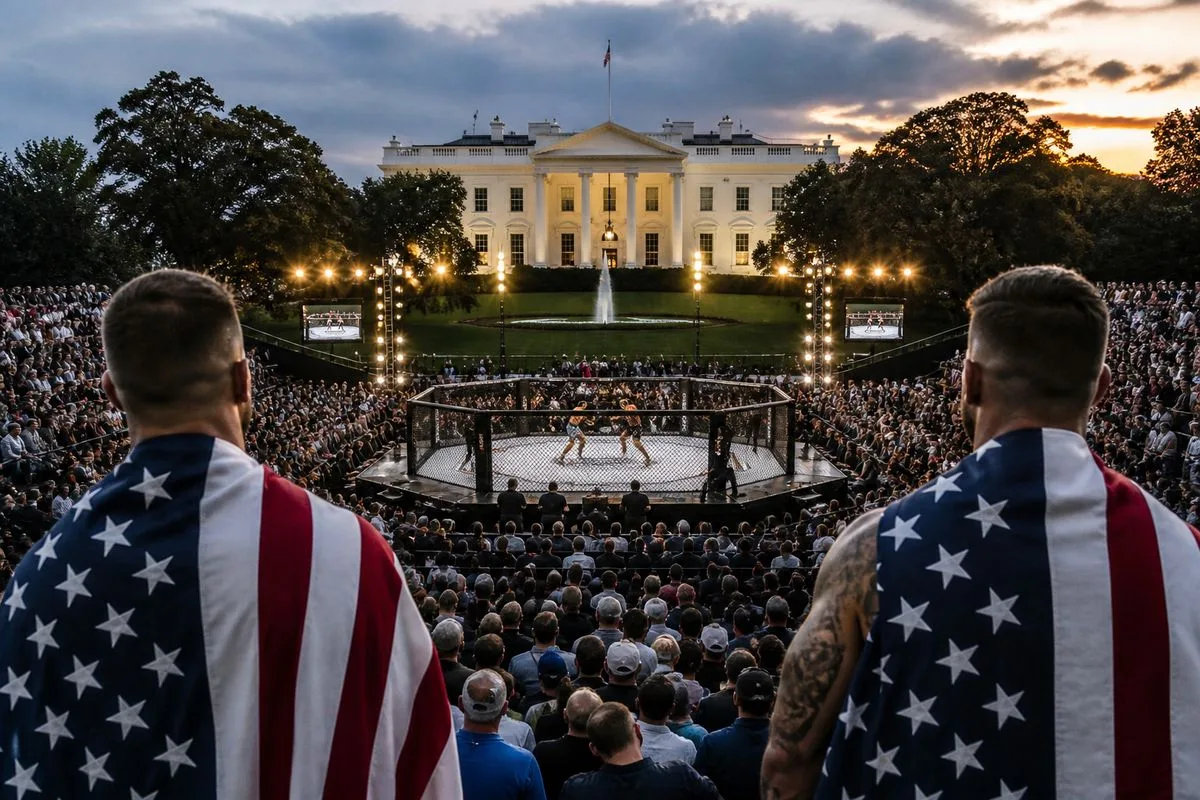
UFC Freedom 250 takes place on 14 June 2026 on the South Lawn, with weigh ins held at the Lincoln Memorial. Seating is roughly 4,300, and crucially, the event offers no public seating. Seats are reserved for financial sponsors, political allies, and active duty service members, according to the Wikipedia summary. That decision alone draws a bright line between the White House show and a normal arena event, where tickets are sold to the public and the crowd is a cross section of whoever can pay.
The build is designed for television as much as for the people in the seats. Stageco constructs a 92 foot tall arch called the Claw around the Octagon. Associated Press reporting describes a red, white and blue stage, stars and stripes patterns, and two large screens carrying the action live, plus thousands of temporary seats and even ringside space for a full marching band. Dana White says capacity will be under 5,000 due to security, while TKO Group Holdings chief executive Ari Emanuel puts attendance at 3,000 to 4,000 before the figure settles around 4,300.
Distribution is also part of the comparison. UFC Freedom 250 is broadcast exclusively on Paramount+ in the United States and Latin America. Wikipedia reports an average of 8.2 million viewers and at least 17 million unique viewers, making it the most watched exclusive live event on Paramount+ as of June 2026, with 34 million viewers worldwide. That is a different proposition from the UFC’s long established pay per view model and its usual broadcast partners, because it positions the UFC as a streaming growth engine, not just a combat sports league.
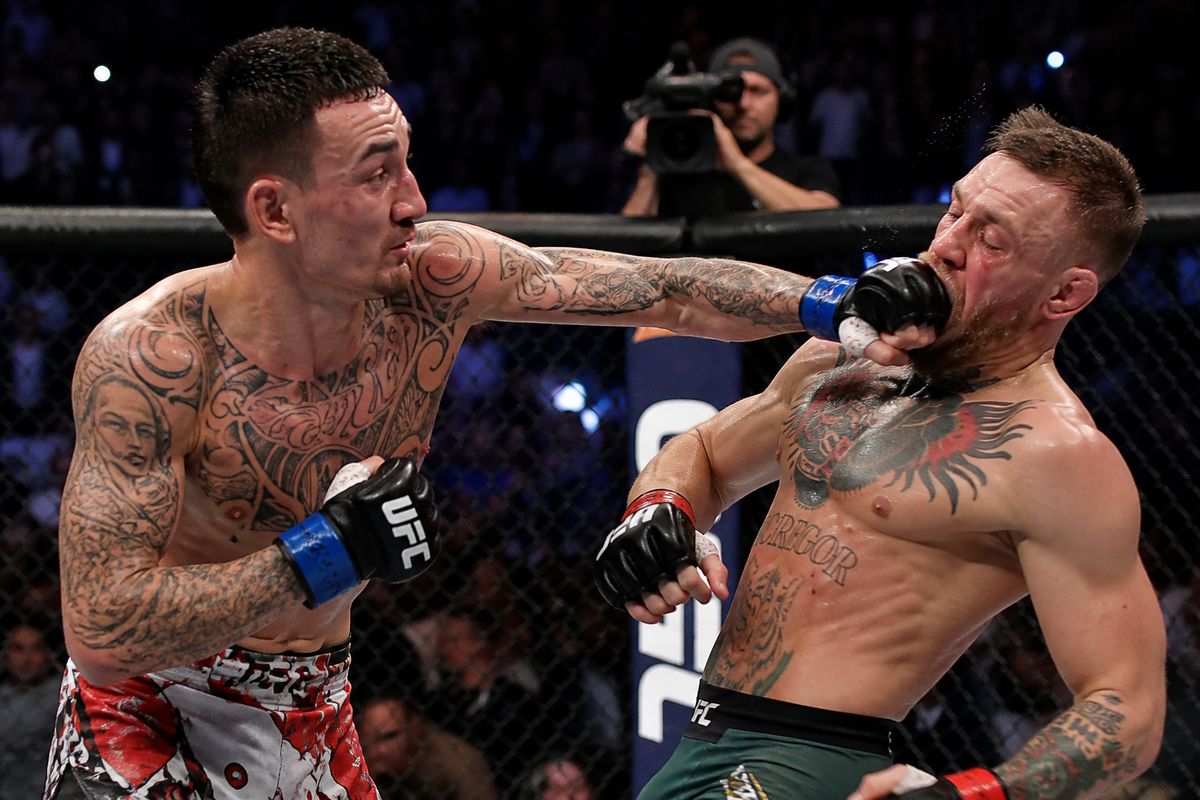
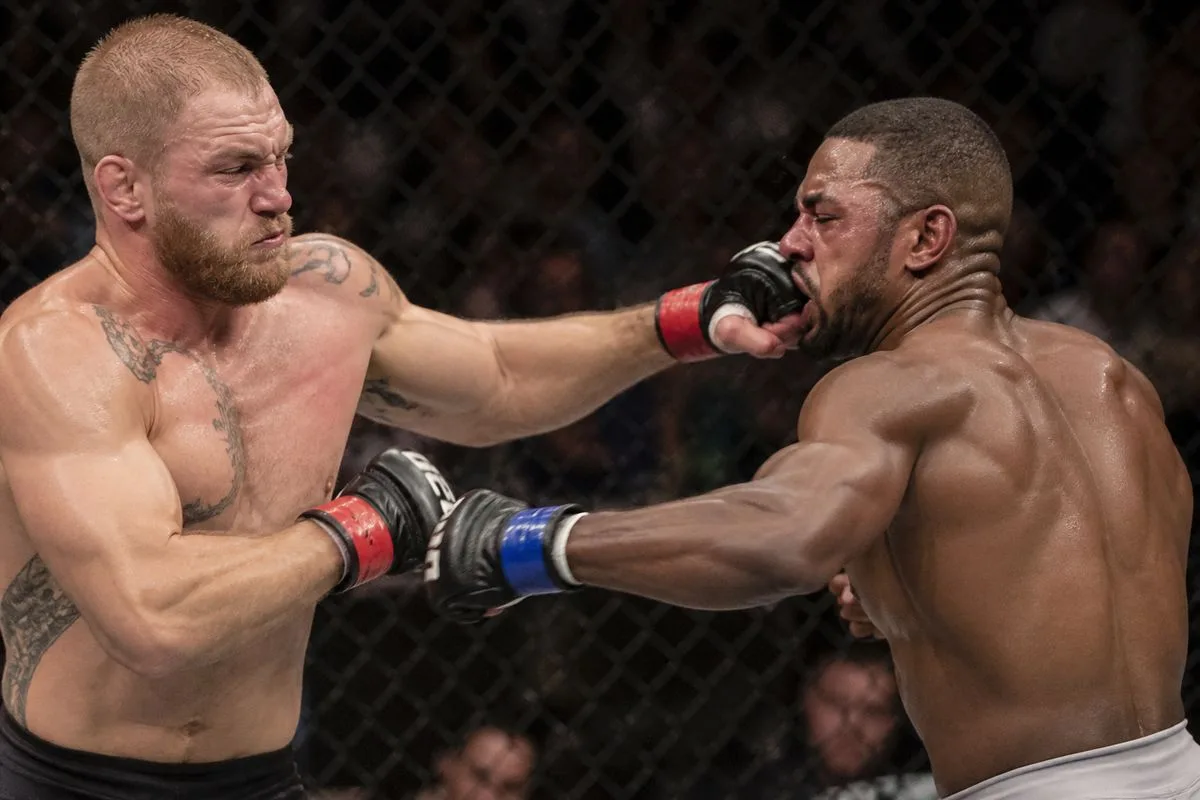
Even the fight outcomes become part of the mythology. Wikipedia states UFC Freedom 250 is the only UFC event to end with all fights ending by knockout, and it ties two other modern era events for having all fights end by finish. Whether that is remembered as a sporting anomaly or as evidence the card is built for highlight reels depends on the viewer’s lens, which is exactly the tension this White House experiment creates.
How UFC Freedom 250 is built, invite only seats vs mass public viewing
UFC Freedom 250 sells scarcity inside the perimeter and scale outside it. Inside, the crowd is curated. The Wikipedia entry says no public seating is made available, with seats reserved for sponsors, political allies, and active duty service members. That transforms the live audience into a message, not merely a market. It is a deliberate contrast with the UFC’s usual arena model, where the loudest people in the building are often those who paid most for cageside seats, not those selected for symbolism.
Outside, the UFC and the White House lean on a different kind of access. Dana White discusses installing large screens at the Ellipse capable of hosting up to 85,000 spectators, and later says the 85,000 tickets for the viewing area will be free. Associated Press reporting repeats that plan, describing additional large screens at the nearby Ellipse and as many as 85,000 free tickets to accommodate spectators across both locations. In other words, the live event is exclusive, but the viewing experience is mass, and the mass experience is framed as a gift.
The weekend is also packaged as a festival. Wikipedia notes a fan fest the day before, headlined by the Zac Brown Band, with ceremonial weigh ins, meet and greets, on stage entertainment, interactive experiences, and appearances from UFC athletes and other celebrities. The Associated Press describes fans enduring lightning, humidity and bugs in Washington for the spectacle, and it frames the Lincoln Memorial as a kind of pre fight theatre, with fighters jogging down the steps past the statue of Abraham Lincoln to roars from thousands.
This is where the comparison becomes sharpest. A conventional UFC weekend is built around the arena and the pay per view. UFC Freedom 250 is built around Washington itself, turning national monuments into staging points for content. That is why critics describe it as a commercial use of sacred spaces, and why supporters talk about it as a patriotic celebration. Both sides are responding to the same design choice, the event is not merely hosted in Washington, it is choreographed to look like Washington.
Key players and motivations, Dana White and Paramount+ vs civic watchdogs and public opinion
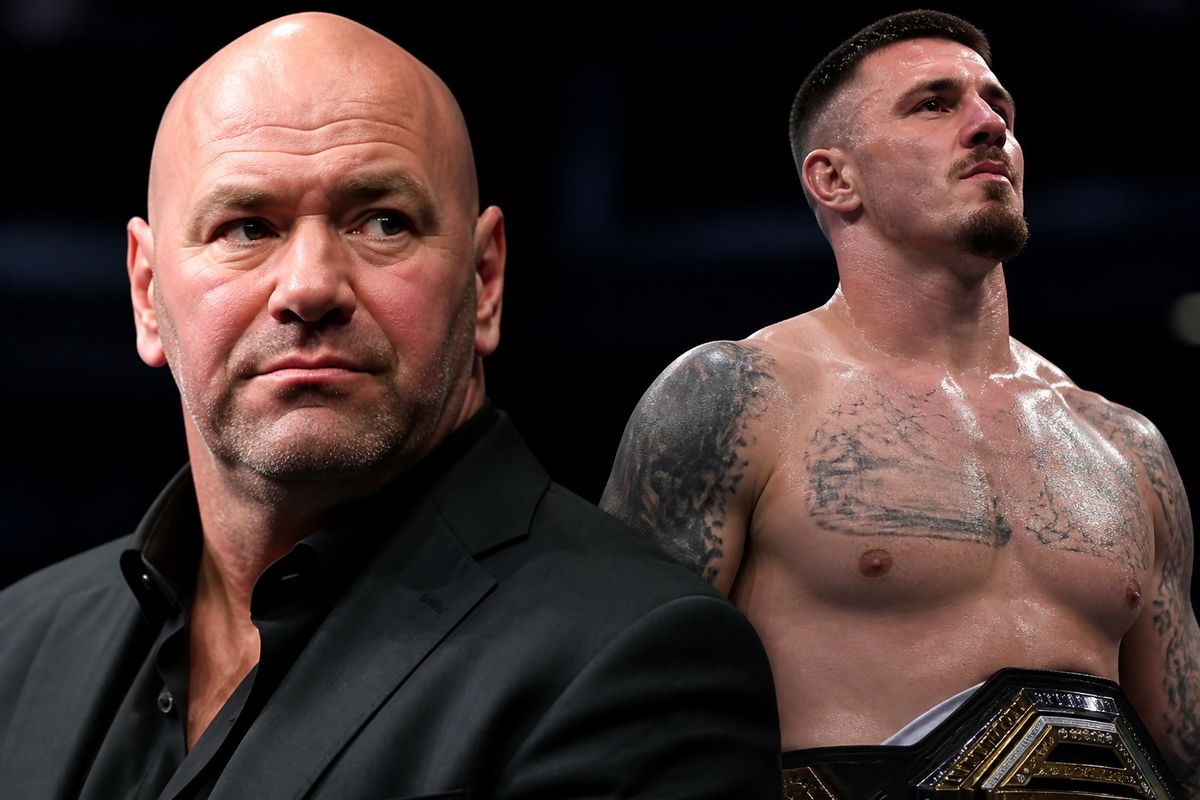
UFC Freedom 250 is inseparable from the personalities behind it. President Donald Trump first announces the plan on 3 July 2025 at a rally at the Iowa State Fairgrounds, and Dana White confirms on 29 August 2025 that plans are finalised, saying the White House fight is on. Trump frames the weekend as part of the semiquincentennial celebrations and also, unavoidably, as coinciding with his 80th birthday and Flag Day on 14 June 2026. That rescheduling from an initially suggested 4 July date draws criticism, with some outlets describing it as celebrating Trump more than America, according to the Wikipedia summary.
White’s incentives are clearer, even if the politics are not. The UFC gets a venue that no rival promotion can replicate, plus a streaming exclusive that produces headline viewing numbers for Paramount+. TKO Group Holdings, the corporate parent referenced in the Wikipedia entry via chief executive Ari Emanuel, has every reason to treat the White House show as a proof point that the UFC can deliver mass live audiences in a fragmented media market. In that sense, UFC Freedom 250 is not only a fight card, it is a platform demonstration.
Opposition is organised as well as cultural. The Associated Press reports that the Public Integrity Project calls the event a private, commercial, corrupt use of national monuments for private gain, and files a lawsuit to try to stop it. A federal judge rules on the Friday before the event that the White House is allowed to go ahead. Meanwhile, the Wikipedia entry cites a Reuters Ipsos poll saying most Americans disapprove of the idea of using the White House to stage cage fighting. The sources do not provide the exact percentage, so any deeper quantification would be speculation.
Even the crowd becomes a political Rorschach test. Ipsos Sports polling cited by the Associated Press suggests only about 1 in 10 US adults consider themselves MMA fans, and that MMA fans skew male and nonwhite, and are more likely to identify as Republicans than Democrats. Yet the same report includes a fan pushing back on the assumption that everyone who watches UFC is a Trump supporter. That tension matters, because UFC Freedom 250 is marketed through a political lens, but consumed by a broader audience whose reasons for watching range from athletic admiration to cultural curiosity.
Sporting credibility vs made for television spectacle, what UFC Freedom 250 signals for MMA
The UFC’s defenders argue that the sport has always thrived on theatre, and that a White House setting is simply the biggest stage yet. The promotion has long used walkout music, lighting rigs, celebrity cameos and patriotic branding. UFC Freedom 250 pushes that logic to its limit by placing the Octagon in a location that already carries its own symbolism. The question is whether that symbolism elevates the sport or overwhelms it.
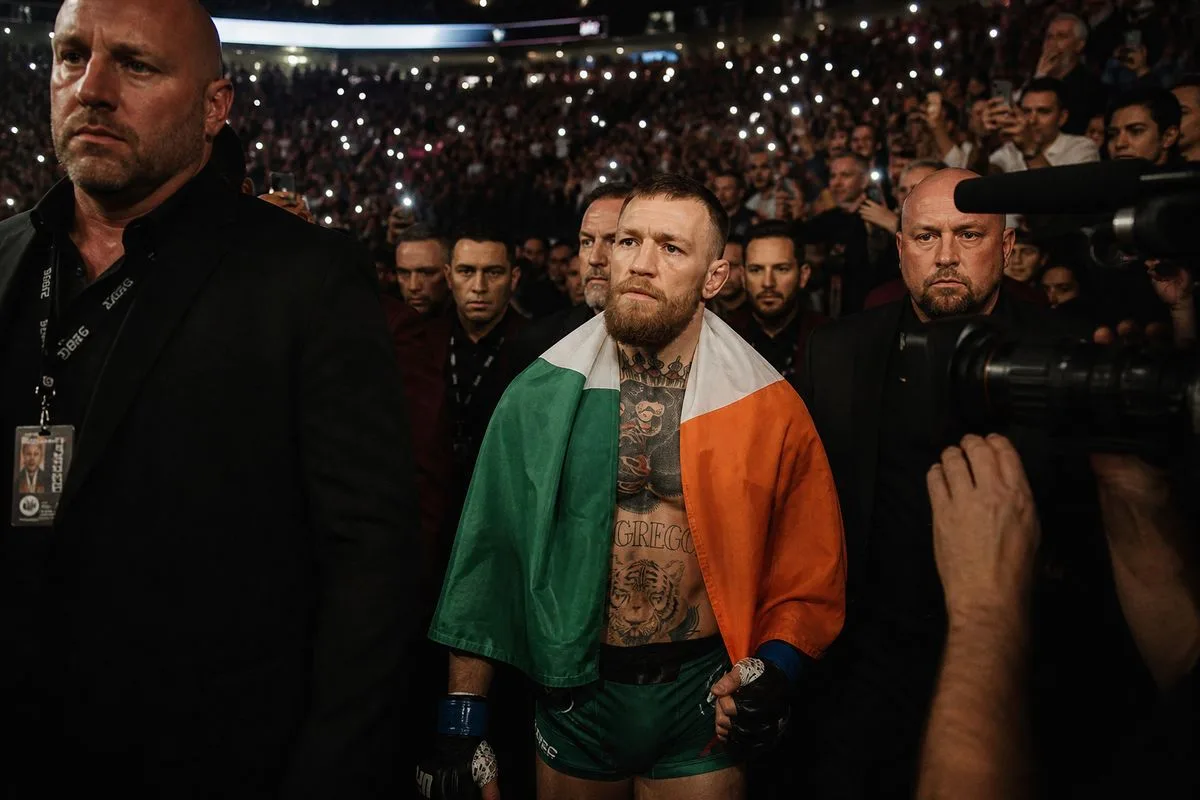
Associated Press reporting says the card is panned by fans online as underwhelming, featuring just two championship fights. It lists Brazil’s Alex Pereira meeting France’s Ciryl Gane for the interim UFC heavyweight title, and Spanish Georgian lightweight champion Ilia Topuria taking on interim champion Justin Gaethje. The Wikipedia crowd story also centres on Gaethje versus Topuria, with fans travelling from North Carolina and even Western Australia. The sources do not provide the full bout list in the excerpt, so it is not possible here to evaluate depth beyond what is stated.
Yet the outcomes, as recorded by Wikipedia, hand the UFC a powerful narrative. An event where every fight ends by knockout is an algorithmic dream, because it produces clips that travel far beyond the core fan base. That matters in a streaming exclusive context, where the platform wants social buzz and subscriber conversion. It also matters for the UFC’s brand, because it reinforces the idea that the promotion delivers violence with certainty, even though any experienced fan knows that is never guaranteed.
The deeper industry implication is about venue precedent. If the White House can host a professional sporting event, described by Wikipedia as the first staged at the presidential residence, then other symbolic spaces become thinkable. That is not automatically negative, but it raises governance questions. Who decides what is appropriate, what safeguards exist, and how are commercial benefits balanced against public meaning? UFC Freedom 250 does not answer those questions, but it forces them into the open.
UFC Freedom 250 vs a standard UFC pay per view, side by side comparison
For readers trying to judge UFC Freedom 250 fairly, the most useful approach is to compare it with a conventional UFC pay per view on the dimensions that actually shape the experience. The White House show is not merely a different backdrop. It changes access, crowd composition, broadcast strategy, and the relationship between sport and state.
The table below summarises the differences that emerge from the available reporting. It focuses on what is confirmed in the source material, rather than assumptions about how a typical UFC event always operates.
| Dimension | UFC Freedom 250 at the White House | Conventional UFC arena event |
|---|---|---|
| Venue | South Lawn of the White House, Washington, D.C., temporary build with the Claw arch and Octagon | Purpose built indoor arena, permanent infrastructure |
| Attendance | Roughly 4,300 seats, no public seating, invite only for sponsors, political allies, active duty service members | Public ticket sales, crowd composition driven by market pricing |
| Public viewing | Large screens at the Ellipse, up to 85,000 free tickets planned | Often fan zones, but scale and free ticketing vary by city and promoter |
| Broadcast model | Exclusive on Paramount+ in the US and Latin America, reported average 8.2 million viewers and 17 million unique viewers, 34 million worldwide | Typically a mix of linear and pay per view distribution depending on market |
| Cultural framing | Tied to US 250th anniversary celebrations and Trump’s 80th birthday, Flag Day date | Usually framed around sport, rivalries, and city hosting rights |
What stands out is that UFC Freedom 250 is engineered as a national moment, not a local event. The UFC is effectively borrowing the White House’s symbolic capital, while the White House borrows the UFC’s ability to generate attention and crowds. That mutual borrowing is precisely what makes the event powerful, and controversial.
It also clarifies why the debate is not only about whether someone likes MMA. It is about whether a state venue should be used to amplify a private entertainment brand, and whether the UFC should accept the reputational risk that comes with being seen as an extension of a political project.
Pros and cons, UFC Freedom 250’s White House model vs the traditional model
UFC Freedom 250 offers real advantages for the UFC and for viewers who want a sense of occasion. It also carries costs that are not easily measured in ticket revenue or viewing figures. A clear pros and cons breakdown helps separate what is genuinely innovative from what is merely provocative.
Option A: UFC Freedom 250 at the White House
- Pros: A unique venue that creates instant global attention and historic framing, described as the first professional sporting event staged at the presidential residence.
- Pros: Streaming exclusivity that reportedly delivers record Paramount+ live event numbers, including 8.2 million average viewers and 17 million unique viewers in the US and Latin America.
- Pros: A festival style weekend with fan fest and public viewing plans at the Ellipse, including up to 85,000 free tickets.
- Cons: Invite only seating with no public tickets, which can be read as privileging sponsors and political allies over ordinary fans.
- Cons: Heightened political entanglement, intensified by the date aligning with Trump’s 80th birthday and Flag Day, and by reported public disapproval in a Reuters Ipsos poll.
- Cons: Legal and civic backlash, including litigation from a watchdog group and broader criticism about commercialising national monuments.
Option B: A conventional UFC arena event
- Pros: Clearer separation between sport and state symbolism, with fewer questions about appropriateness of venue.
- Pros: Public ticketing that allows fans to attend based on demand rather than invitation lists.
- Pros: Familiar logistics and production, reducing security driven constraints on capacity and access.
- Cons: Less cultural impact and fewer mainstream headlines, because the venue does not carry built in national meaning.
- Cons: Harder to create a single, defining moment in a crowded sports calendar without a distinctive hook.
- Cons: Potentially less leverage in streaming negotiations if the event does not offer a unique proposition.
The key point is that UFC Freedom 250’s advantages are mostly about attention and distribution, while its disadvantages are mostly about legitimacy and access. That is a trade off, not a simple win. A promotion can buy marketing, but it cannot easily buy back trust once audiences decide the sport is being used as political theatre.
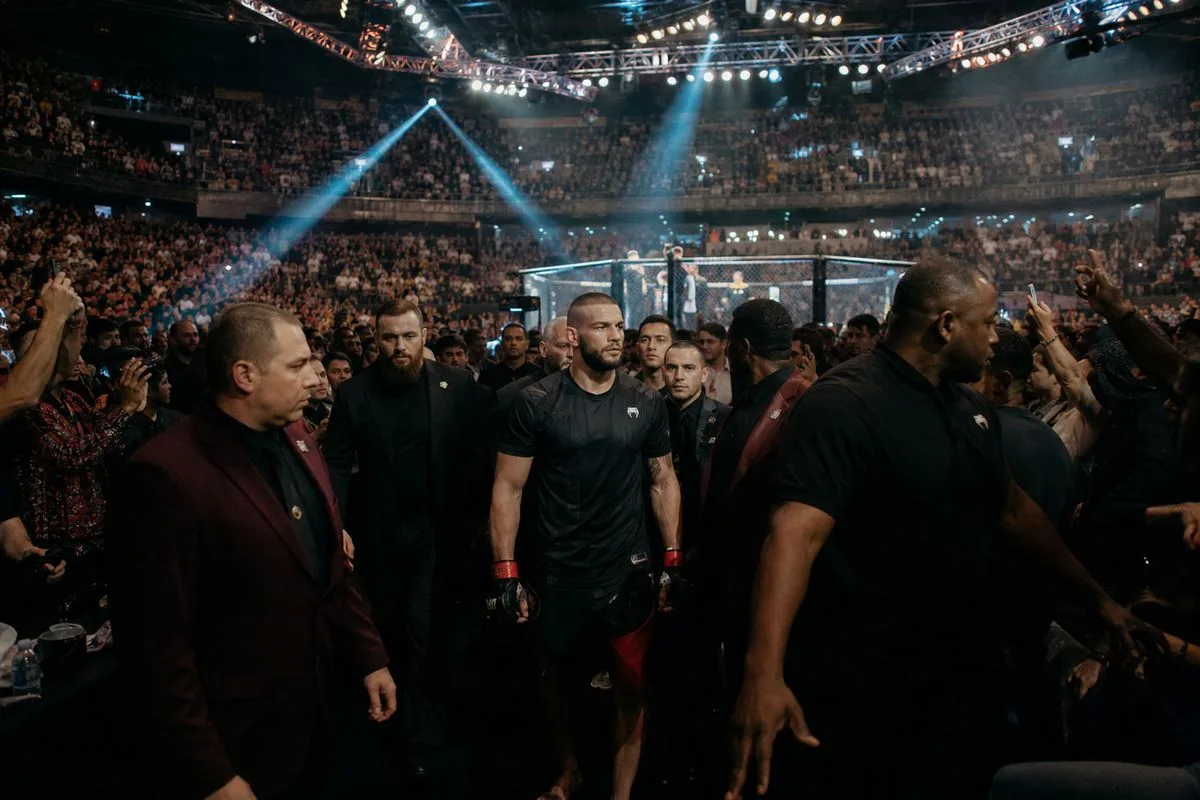
At the same time, critics who dismiss the event as purely cynical risk overlooking why it resonates. The Associated Press describes fans travelling long distances, including from Western Australia, and enduring difficult weather to be part of the weekend. That is not manufactured enthusiasm. It is evidence that the UFC has built a community that will show up wherever the Octagon goes, even to the steps of the Lincoln Memorial.
The Verdict on UFC Freedom 250, who benefits from the White House experiment?
UFC Freedom 250 succeeds as a media product. The reported Paramount+ audience figures, the global total of 34 million viewers, and the sheer visual novelty of the Octagon on the South Lawn make it a case study in how live sport can still create appointment viewing in the streaming era. For Paramount+, it is a statement that exclusivity can drive scale. For the UFC, it is proof that the brand can transcend the arena circuit and become a national spectacle.
As a sporting proposition, the verdict is more conditional. The sources describe online criticism that the card looks underwhelming, and they highlight only two championship fights. Yet the event’s reported all knockout outcomes, as recorded by Wikipedia, hand the UFC a narrative that will be replayed for years. The risk is that the UFC learns the wrong lesson, that the sport’s future lies in ever more extreme staging rather than in competitive depth and accessible fandom.
For readers deciding how to interpret the White House model, the most honest recommendation depends on what they value. If the priority is a once in a generation atmosphere and the feeling of witnessing history, UFC Freedom 250 is hard to beat, because no conventional venue can replicate the symbolism. If the priority is keeping sport separate from political branding, and ensuring fans can buy their way into the building rather than hoping for an invitation, the traditional arena model remains healthier for the sport’s long term credibility.
Closing thoughts, what UFC Freedom 250 changes after June 2026
UFC Freedom 250 leaves the UFC with a new kind of power, the ability to turn place into product. The weekend uses Washington’s monuments as narrative devices, from weigh ins at the Lincoln Memorial to the Octagon framed by patriotic staging. That approach will tempt other sports and promoters, because it offers something that advertising cannot, a sense of national theatre that is instantly legible on a phone screen.
But the same approach also raises the cost of future choices. Once a promotion has staged fights at the White House, every subsequent venue risks feeling smaller, and every future partnership risks being judged through the lens of politics. The Reuters Ipsos disapproval cited by Wikipedia, and the lawsuit described by the Associated Press, show that a significant part of the public sees this as a line crossed. The UFC may decide that controversy is a price worth paying for attention. Yet if the sport wants broader acceptance, including among those who do not already identify as MMA fans, it will need to show that the White House experiment is an exception, not a template.
In the end, UFC Freedom 250 is both a celebration and a warning. It demonstrates how far MMA has travelled from fringe entertainment to a product that can occupy the most guarded lawn in America. It also demonstrates how quickly sport can become a proxy battle over culture, identity and power. The UFC has won the weekend. The harder question is what it has taught the industry to chase next.