Mixed martial arts underground photos move from niche to mainstream attention
Search interest in mixed martial arts underground photos is no longer limited to hard core fight forums and private group chats. In mid November 2026, a visible burst of activity on MILLIONS.co’s MMA Underground feed, including a steady run of short clips and media posts dated 13 and 14 November 2026, underlines how quickly unofficial fight imagery now circulates alongside official promotion content. The feed’s cadence matters as much as any single post, it shows a near real time rhythm of fight week culture, from weigh in moments to commentary style snippets designed for rapid sharing.
The most clearly described item in the available source material is a short video titled “Jon Jones' Devastating Elbows in the Octagon”, posted on 9 October 2026. It is listed at 00:46 in length and shows 12 views at the time captured in the source. That small view count is itself revealing, it suggests the “underground” label is not necessarily about scale, but about packaging, tone, and the promise of candid, fight centric media that feels closer to the gym and the cage than to a polished broadcast.
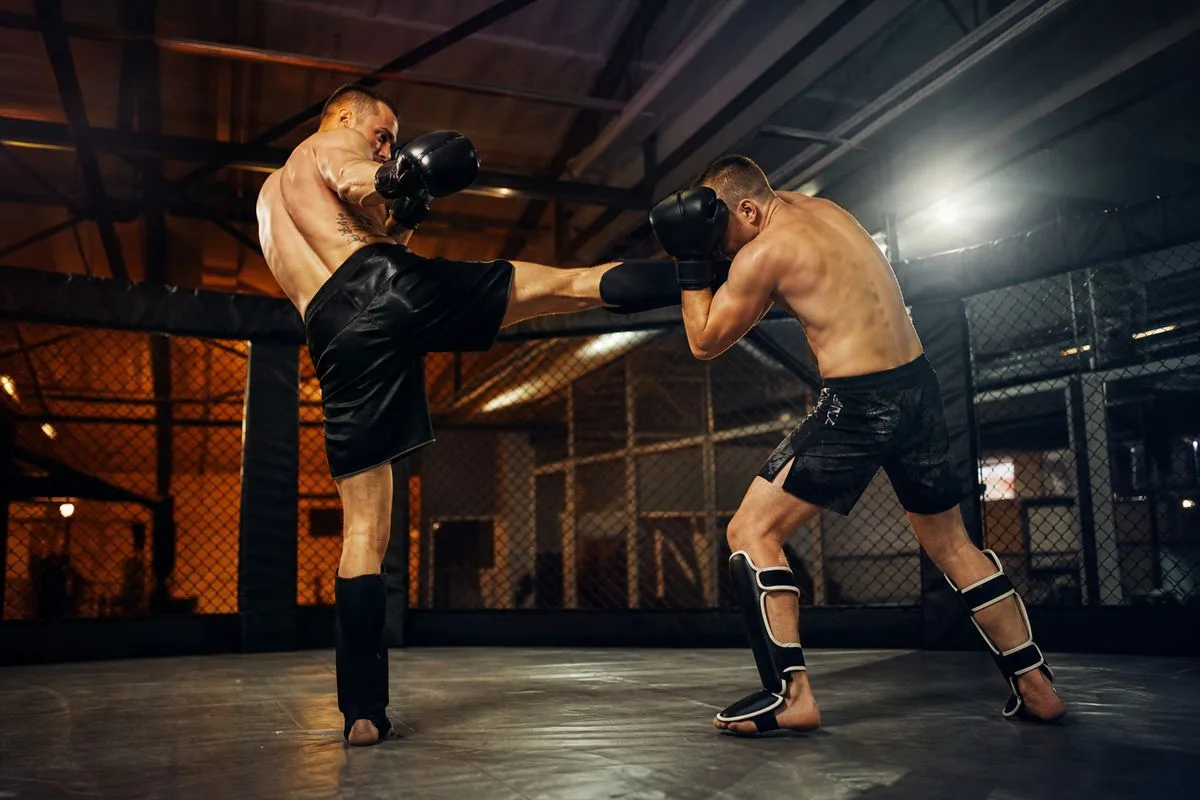
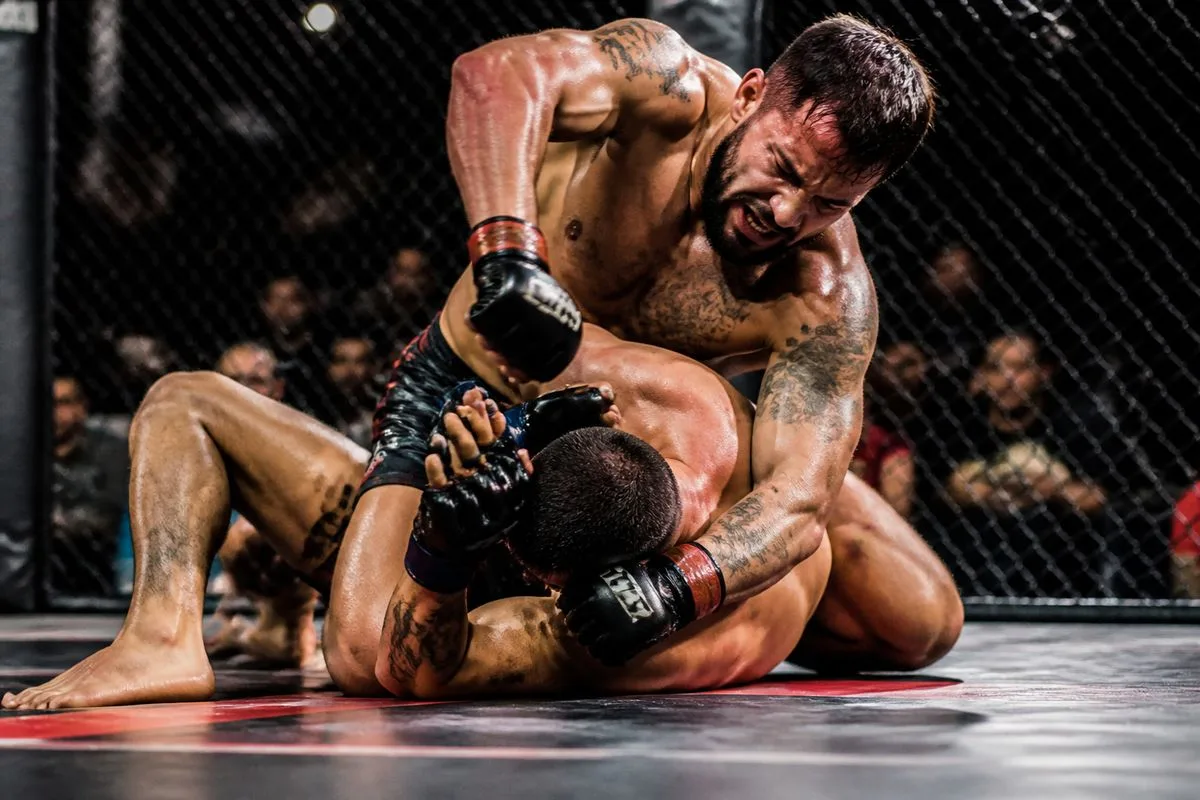
What emerges from the November 2026 run of posts is a familiar pattern in modern combat sports media. Fans do not only want results and rankings, they want artefacts, images and clips that signal authenticity. “Underground photos” in this context becomes shorthand for a certain kind of access, the moments before a walkout, the unguarded backstage stare, the grainy still that captures damage, exhaustion, or adrenaline. Even when the content is not literally clandestine, the framing positions it as closer to the sport’s raw edges.
The November 2026 development: a rapid-fire MMA Underground media burst
The immediate newsworthy development is the concentrated posting run on 13 and 14 November 2026. The source list shows multiple items on 14 November 2026, including posts titled “Mis planes para el sábado: UFC”, “UFC 334 main event official: Josh H...”, “UFC: Un auténtico batalla en el oct...”, “Prates discusses cigarettes in an i...”, and others. On 13 November 2026, the feed includes “MMA fight with momentum shifting”, “Fighter moments before stepping int...”, “Maurice Böhmwalder aims for an earl...”, “Kayla Harrison: A Legacy of Champio...”, “Amanda Nunes makes weight for co-ma...”, and “Amanda Nunes shuts down Ronda Rouse...”.
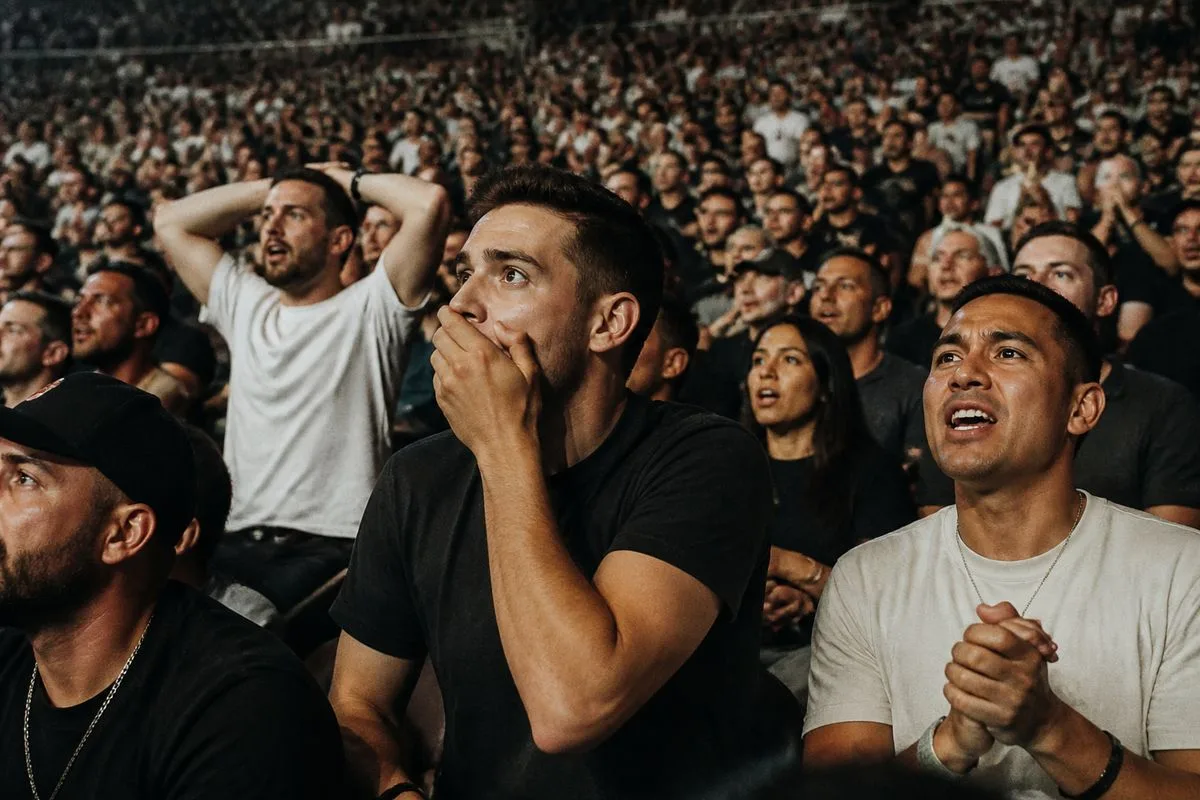
Even without full descriptions for each item, the pattern is clear. The feed is built to mirror the tempo of a fight weekend, mixing hype, personality, and micro narratives. For readers searching for mixed martial arts underground photos, the significance is that the same ecosystem that distributes short video also tends to distribute stills, screenshots, and image first posts. In practical terms, the “underground” experience is now a format blend, short clips, still frames, and captioned posts that travel well across platforms.
The post that carries the most explicit detail, the Jon Jones elbows clip, also signals the editorial direction. It is not a news report about a single bout, it is a curated highlight that reframes a fighter’s skill set as a standalone story. The description emphasises Jones’ elbows as “one of the most dangerous weapons the UFC has ever seen”, pointing to spinning elbows at distance, clinch slicing, and top position attacks. It also highlights the combination of “reach, timing, and creativity”, and the way opponents must account for wrestling, kicks, and unpredictable striking. This is the language of fan analysis, not press release copy, and it is exactly the tone that tends to accompany underground photo drops, the image is presented as evidence of a larger truth about a fighter.
There is also a subtle but important signal in the metadata. The Jones clip shows 12 views in the captured snapshot. That is not a mass audience number, but it does not have to be. Underground fight media often functions as a high intent niche, where a small number of dedicated viewers share and repurpose content into other spaces. In that sense, the feed’s value is less about raw reach and more about being a reliable source of bite sized, easily re shared material.
Who is behind the content, and why “underground photos” keeps winning
The source material identifies the channel or account name as MMA Underground and places it within MILLIONS.co under a category line that reads “MMA Underground Videos, Photos & Media”. That phrasing is important. It positions the feed as a media hub rather than a single format page. For audiences searching specifically for mixed martial arts underground photos, the expectation is not just a gallery, it is a stream, a place where photos sit beside short clips, and where the line between a still image and a video frame is increasingly blurred.
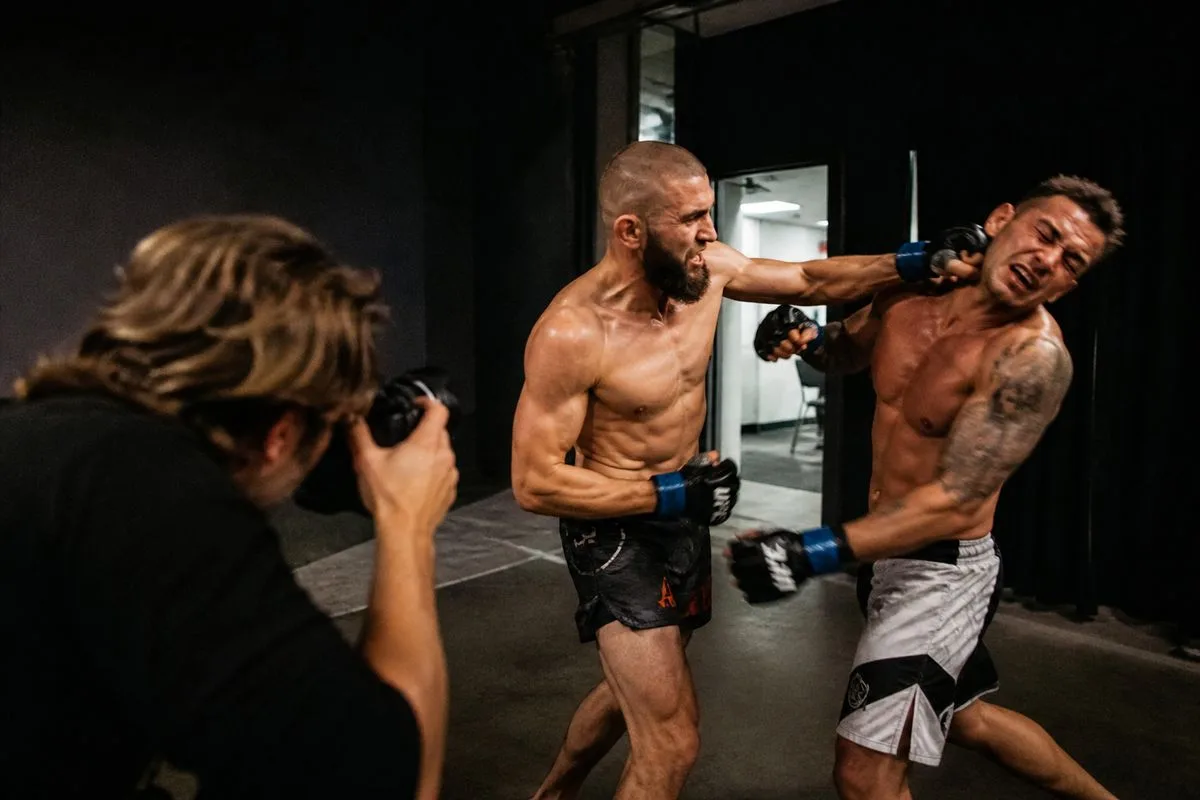
The personalities referenced in the feed list also show how underground media borrows credibility from recognisable names. Jon Jones is used as a central figure in the October 2026 clip, while Kayla Harrison and Amanda Nunes appear in titles dated 13 November 2026. The feed also references Ronda Rousey in a post titled “Amanda Nunes shuts down Ronda Rouse...”. Whether the posts are archival, commentary, or tied to current events, the editorial logic is consistent, attach “underground” immediacy to athletes who already carry mainstream recognition.
That strategy reflects a broader truth about combat sports media in 2026. The underground is rarely separate from the mainstream, it is often a parallel layer that feeds off the same stars, the same fight weeks, and the same promotional calendar. “Underground photos” succeed because they promise what official channels cannot always deliver, a sense of proximity and unfiltered reality. Even when the content is legally and openly published, the framing implies the viewer is seeing something closer to the truth of fighting.
There is also a language cue worth noting. Several titles are truncated, suggesting a feed optimised for quick scanning on mobile. One title is in Spanish, “Mis planes para el sábado: UFC”, and another begins “UFC: Un auténtico batalla en el oct...”. That multilingual flavour hints at a globalised audience. For the underground photo economy, that matters because images travel across language barriers more easily than long form text. A single compelling still, a bruised cheekbone at weigh in, a stare down, a corner moment, can be understood instantly and shared widely.
Mixed martial arts underground photos, the ethics, the appetite, and the business model
The rise of mixed martial arts underground photos is not just a fan culture story, it is an industry story about attention. Combat sports are uniquely visual. Damage, emotion, and momentum are readable on the body, and photos freeze those signals into shareable proof. The Jones elbows clip description leans into this logic, it frames elbows as “terrifying” because they create “serious damage” from “angles that were incredibly difficult to defend”. That is a narrative built for imagery, the cut, the blood, the sudden change in posture. Photos and short clips become the currency that carries the narrative.
But the same appetite raises ethical and practical questions. Underground imagery often sits in a grey zone between legitimate fan media and content that may be repurposed without context. The source material does not provide details about licensing, rights, or moderation policies, so it is not possible to state how MILLIONS.co handles those issues. What can be said is that the format encourages fast circulation, and fast circulation tends to strip away nuance. A still frame of a fighter hurt can become a meme, a clip of a pre fight moment can be misread, and an image taken out of sequence can rewrite the story of a bout.
From a business perspective, “underground” is also a branding tool. It signals exclusivity and edge, even when the content is widely accessible. The view count shown on the Jones clip, 12 views, suggests that at least some posts are not yet viral, but the feed structure is designed for scale if a single item catches fire. In 2026, platforms and publishers increasingly rely on volume and velocity, frequent posts that increase the chance of one breakout hit. The November 2026 burst fits that model, multiple posts in a single day, each one a potential entry point.
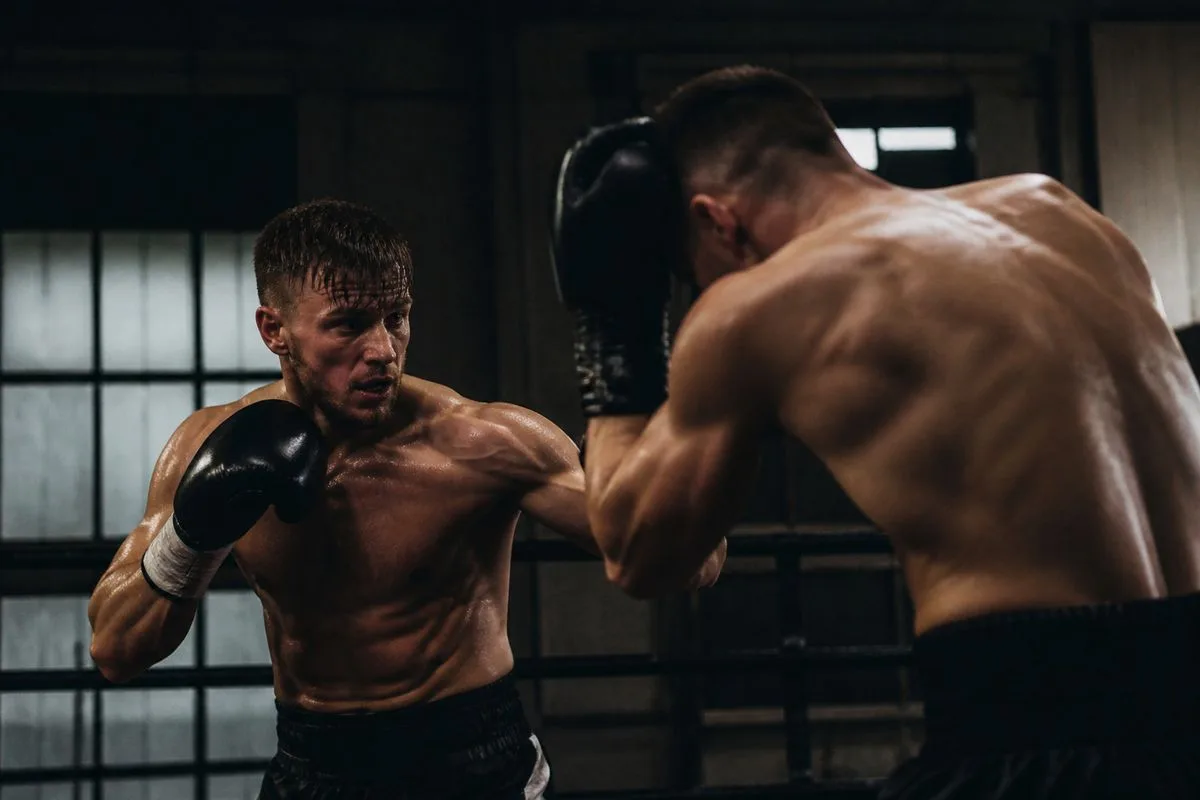
Historically, MMA’s media ecosystem has always had an underground layer. In earlier eras it was bootleg tapes, grainy forum uploads, and whispered gym stories. The modern shift is that the underground is now productised. It is presented as a category, “Videos, Photos & Media”, and delivered in a feed that looks and behaves like mainstream social publishing. The difference is not the existence of unofficial imagery, it is the ease with which it can be packaged, indexed, and searched, including by people explicitly typing “mixed martial arts underground photos” into a search bar.
From Jon Jones’ elbows to fight week culture, why the visuals matter
The Jon Jones clip offers a useful case study because it shows how a single technical theme can anchor a piece of content. The description highlights elbows from multiple positions, spinning at distance, clinch work, and top control. It also stresses the strategic layering, opponents must worry about wrestling, kicks, and unpredictable striking. For fans, this kind of breakdown is often consumed alongside still images, a photo of a sliced forehead, a frame of an elbow landing, a close up of a cut. In other words, underground photos are not merely decorative, they are used as evidence in arguments about greatness, danger, and technique.
The November 2026 post list suggests the feed is also tuned to the rituals of fight week. Titles referencing making weight and moments before stepping in point to the liminal spaces that fans crave. Those are the moments where the sport’s contradictions are most visible, the glamour of promotion against the harshness of weight cutting, the calm face against the stress underneath. Photos from these moments carry a particular charge because they feel intimate, and intimacy is the main product underground media sells.
There is also a cultural dimension. MMA has matured into a global sport, but it still trades heavily on the idea of the fighter as an outsider, someone forged in hardship. Underground photos reinforce that mythology. They show sweat, tape, bruises, and the backstage corridors that look nothing like a stadium broadcast. Even when the setting is a major UFC event, the framing can make it feel like a glimpse behind the curtain. That is why a feed can mix posts about established stars like Nunes with broader fight content and still maintain a coherent identity.
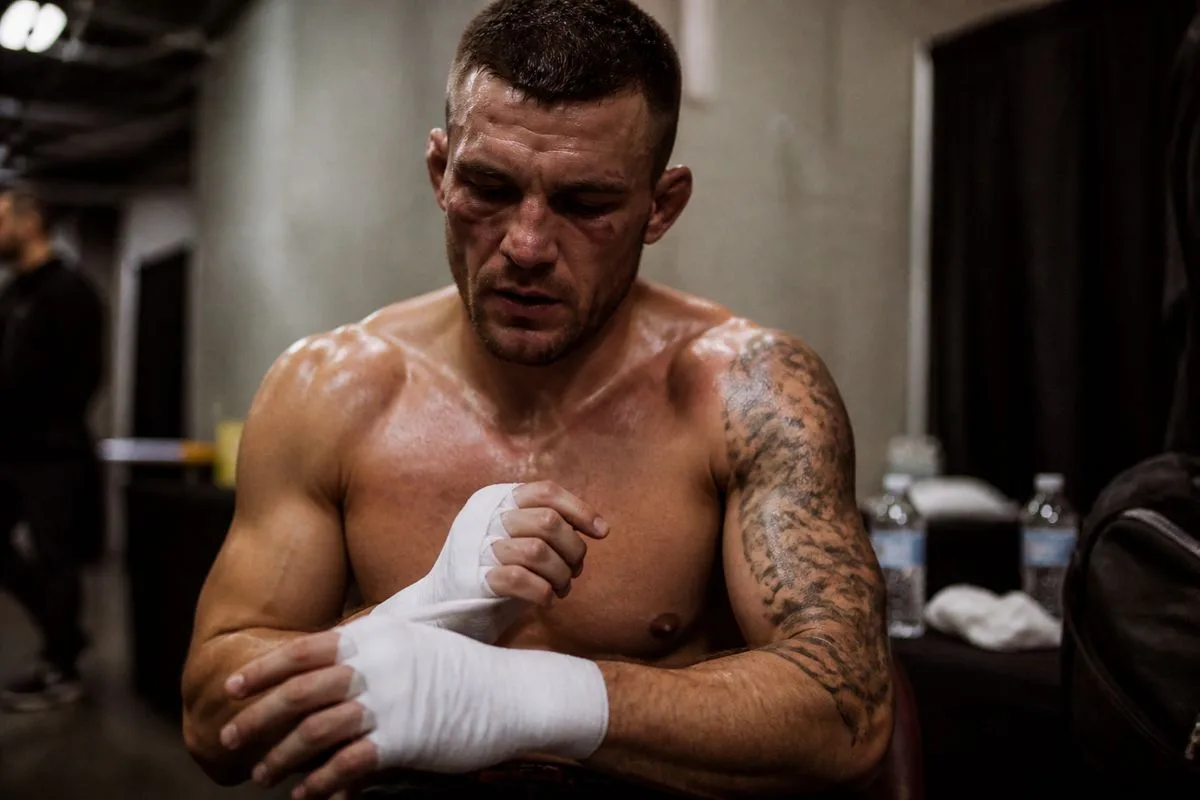
Crucially, the underground photo economy also shapes how fighters are perceived. A single image can define a narrative, toughness, vulnerability, decline, resurgence. The source material does not provide specific images, but the titles alone indicate the kind of story beats being targeted: legacy, momentum shifts, pre fight tension, and rivalry commentary. In 2026, those beats are not just editorial choices, they are algorithm friendly hooks designed to travel.
What This Means For You
For readers actively searching for mixed martial arts underground photos, the November 2026 activity on the MMA Underground feed is a reminder to treat “underground” as a signal of style rather than a guarantee of exclusivity. The most useful approach is to look for feeds that post consistently around fight week, because consistency increases the chance of capturing the moments that later become defining images. A burst of posts dated 13 and 14 November 2026 indicates a publisher is trying to be present when interest peaks, which is typically when the most shareable photos and clips emerge.
It also pays to watch how a feed frames its content. The Jon Jones elbows clip is not just a highlight, it is an argument about why a technique matters. When a publisher pairs imagery with a clear narrative, it becomes easier for fans to understand what they are seeing and to avoid misreading a single frame. Readers should look for captions and descriptions that provide context, what is happening, why it matters, and how it fits into a fighter’s broader style. Without that, underground photos can quickly become noise, or worse, misinformation by omission.
Finally, fans who share underground imagery should be mindful of the human reality behind the visuals. Fight photos can amplify a fighter’s brand, but they can also flatten a person into a moment of damage or humiliation. The most responsible way to engage is to share images that illuminate skill, preparation, and competition, not just injury. In a media environment built for rapid circulation, that small choice helps keep the culture closer to sport than spectacle.
Closing thoughts: the underground is now a layer of the official story
The key takeaway from the November 2026 snapshot is that mixed martial arts underground photos and adjacent media are no longer peripheral. They sit alongside mainstream promotion content and often shape the conversation in real time. A feed that can post multiple times across 13 and 14 November 2026, while also resurfacing a technique focused Jon Jones clip from 9 October 2026, shows how the underground layer works, it mixes immediacy with curation, and it uses recognisable names to pull audiences into a broader stream of fight culture.
There is no single viral statistic in the source material, and the only explicit view figure provided is the 12 views shown on the Jones clip at the time captured. Yet that number does not undermine the story, it strengthens it. The underground is not always about scale, it is about texture, the feeling that the viewer is closer to the sport’s raw materials than a broadcast allows. In 2026, that texture is increasingly packaged, searchable, and monetisable, and it is why the demand for mixed martial arts underground photos continues to grow.
As the sport heads deeper into a media landscape dominated by short form video and image first storytelling, the feeds that win will be those that combine speed with context. The audience is not just collecting photos, it is collecting meaning. The publishers who understand that, and who treat underground imagery as a way to explain the sport rather than merely sensationalise it, will shape how MMA is remembered in the years ahead.