Mixed martial arts kya hota hai, and why the 2026 conversation suddenly feels urgent
For anyone typing mixed martial arts kya hota hai into search, the real question is rarely academic. It is usually practical: should they learn MMA, or should they start with a traditional martial art such as taekwondo or karate, or a striking base like boxing or Muay Thai. In October 2026, that decision is being shaped less by glossy fight highlights and more by a wave of short form training content and academy marketing that is reaching millions of viewers, then funnelling them into local gyms.
The most visible signal is on Instagram, where reels tagged with MMA and martial arts training rack up large view counts. In the source material, a verified account, pointfighterlive, posts a reel about how to decide which martial art to learn, showing 8.7M views. Another creator, trevorhannant_, posts a martial arts themed reel with 3.1M views. These are not niche numbers, they are mass audience reach, and they are changing how beginners form opinions before they ever step on a mat.
At the same time, the self defence debate is being reframed by creators who emphasise avoidance and awareness over bravado. In a post dated four days before 12 October 2026, the creator rahmanroundhouse writes that real self defence is about awareness, creating distance, and getting away safely when possible, then asks followers which martial art is best for self defence. The post draws 950 likes and 63 comments, with replies arguing for elbows, uppercuts, liver shots, low kicks, and boxing or Muay Thai. The public appetite is clear, people want actionable guidance, not mythology.
Against that backdrop, academies are also using the same channels to sell structured coaching. A reel in the source material promotes Champions Martial Art Academy in Ahmedabad, explicitly pitching “Master MMA & Self-Defense with Expert Coaching” and describing itself as the city’s “premier destination for authentic martial arts and total transformation”. The post is labelled Ahmedabad 2026, a small but telling marker of how local training businesses are tying their brand to the MMA boom.
The 2026 development behind the headlines, Instagram reels turn MMA education into a mainstream funnel
The news development here is not a single bout or a governing body announcement. It is the way MMA education, recruitment, and marketing are being compressed into short form video, then amplified by view counts that act as social proof. In the source material, the “academy of modern martial arts official website” topic page is essentially an index of reels, hashtags, and viral formats, from “no pain, no fun” jokes to technique snippets and academy showcases. The result is a constant stream of content that makes MMA feel accessible, even inevitable.
What stands out is the mix of content types. Some reels are entertainment first, others are instructional, and others are overtly commercial. The Champions Martial Art Academy reel is a direct call to action, promising expert guidance and “constant improvement” in skills and mindset. Meanwhile, another academy style reel, from rockmartialar... (verified), stresses that training methods are “strictly level based” and warns viewers to understand a student’s level before commenting. That is a subtle but important counter narrative to viral culture, it argues for progression, context, and safety.
In parallel, creators are shaping the self defence narrative in ways that often diverge from sport MMA. The rahmanroundhouse caption explicitly prioritises awareness and escape. The comments then pull the discussion back towards specific strikes, elbows, groin kicks, palm strikes, and eye pokes, techniques that sit outside many sport rulesets. This tension, between sport training and real world self protection, is exactly where beginners get confused, and where a clear comparison guide becomes useful.
So the 2026 story is a convergence: viral reach, local academy marketing, and a renewed self defence debate. Together, they are pushing more newcomers to ask, “mixed martial arts kya hota hai”, and then immediately ask the next question, “MMA is best, or traditional martial arts, or boxing, or Muay Thai”.
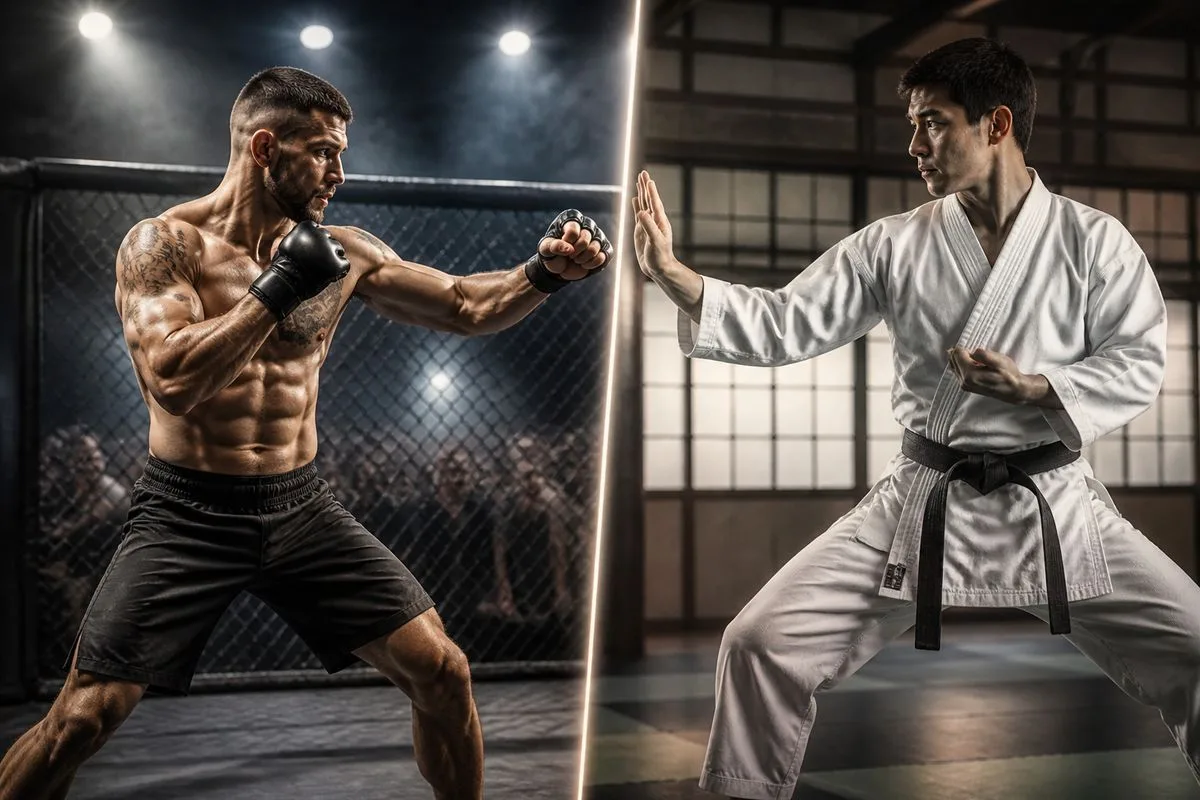
Mixed martial arts kya hota hai, MMA vs traditional martial arts, what each actually trains
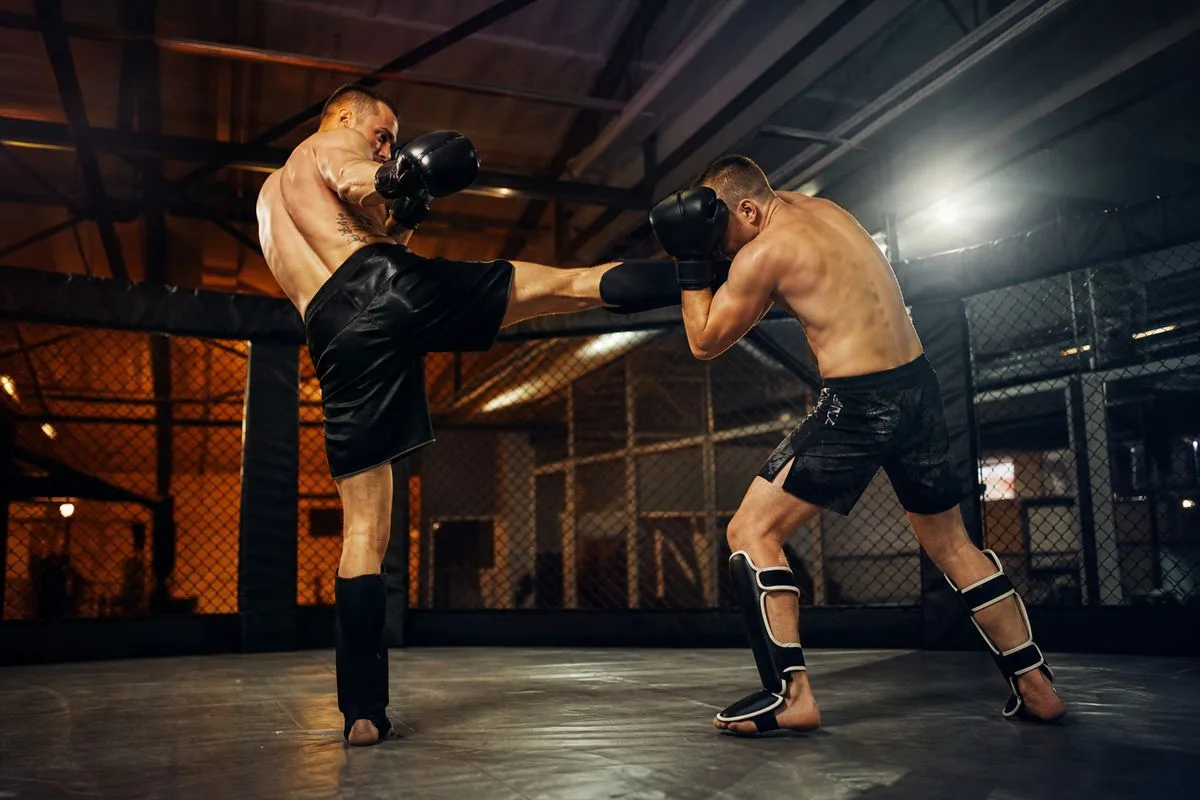
Mixed martial arts, commonly shortened to MMA, is a combat sport and training approach that blends multiple disciplines, typically striking and grappling. In practical gym terms, it often means learning how to punch and kick, how to clinch, how to take someone down, how to defend takedowns, and how to control or submit on the ground. The “mixed” part is not a marketing flourish, it reflects the reality that MMA training borrows from boxing, kickboxing, Muay Thai, wrestling, judo, and Brazilian jiu jitsu, depending on the gym and the coach.
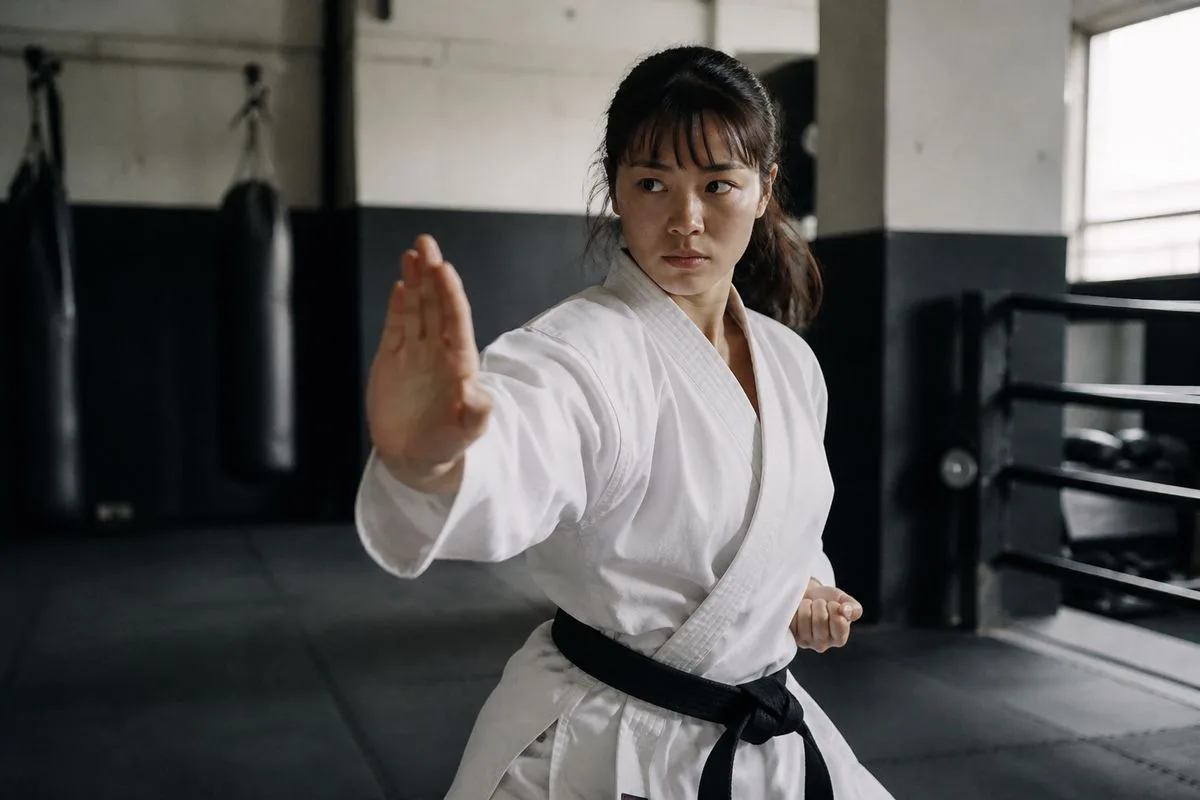
Traditional martial arts, by contrast, usually have a single lineage and a defined syllabus. Taekwondo and karate are the most visible examples in the source material, with multiple reels tagged to taekwondo training and taekwondo life. Traditional systems often emphasise forms, structured drills, etiquette, and long term progression. That does not make them less effective, but it does mean the training priorities can differ from MMA’s competition driven blend.
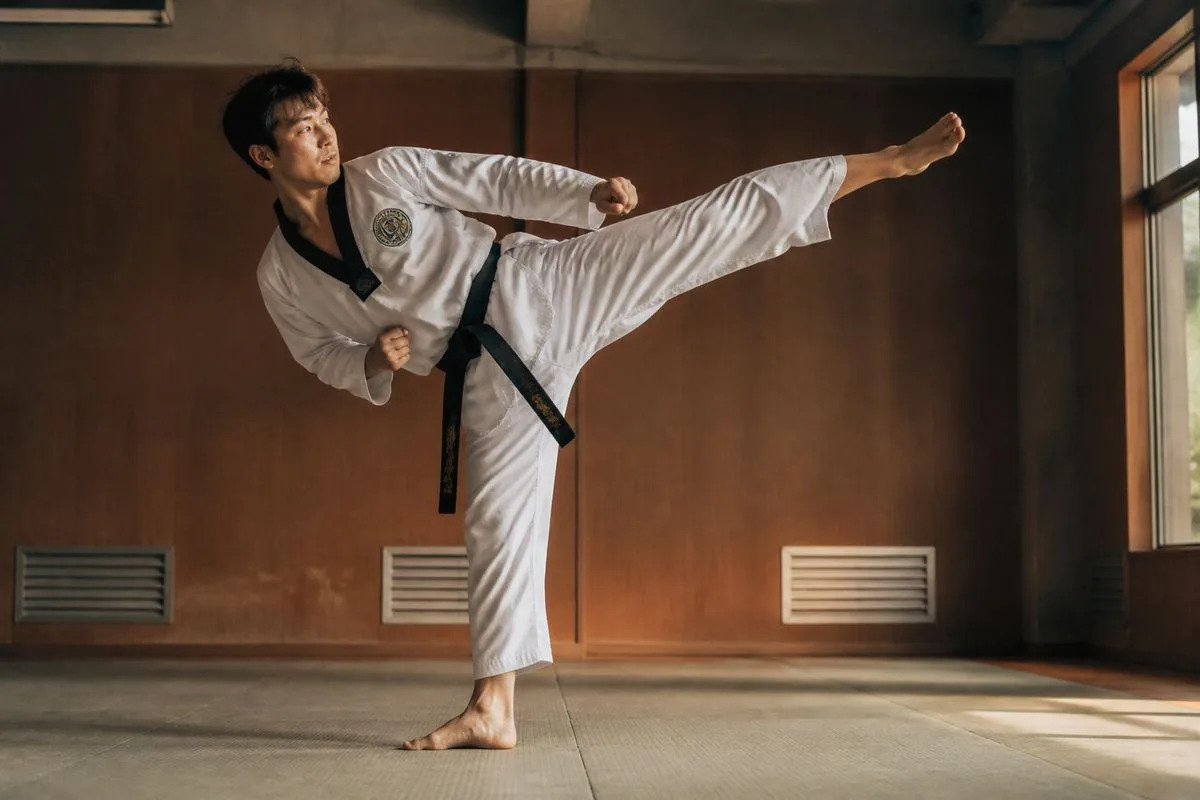
One reason this matters in 2026 is that social media compresses these differences into a few seconds. A reel of acrobatic creative open sport martial arts forms can look spectacular, but it does not show clinch pressure or ground control. A reel of pad work can look “real”, but it does not show whether the student can handle grappling. Beginners need to understand what is being trained, and what is being left out, before they decide.
Even within traditional spaces, the source material shows a push towards authenticity and level appropriate training. The Rock Martial Arts Academy reel highlights that senior students and black belt holders train differently from juniors. That is a reminder that a black belt performance clip is not a beginner’s day one reality, and that the best academies separate skill levels carefully, which is also a hallmark of good MMA gyms.
Training goals compared, self defence vs fitness vs competition in MMA, boxing, Muay Thai, taekwondo, karate
Most newcomers do not have one goal, they have three. They want self defence confidence, fitness, and a sense of progress. The problem is that different styles optimise different outcomes. The rahmanroundhouse post puts self defence in the frame of awareness and escape, which is a goal that sits partly outside any sport. Meanwhile, the Champions Martial Art Academy pitch blends “MMA & Self-Defense” with “total transformation”, signalling a fitness and mindset promise as much as a fighting one.
Boxing and Muay Thai appear in the source material as reference points in the self defence debate, with one commenter writing “Boxing or muyathai”. Those striking arts tend to develop timing, distance management, and conditioning quickly, but they do not inherently teach grappling or ground survival. Taekwondo and karate can build coordination, flexibility, and disciplined progression, but the extent of contact sparring and clinch work varies widely by school.
MMA’s advantage is coverage. A well run MMA programme can address striking, clinch, takedowns, and ground control. Its weakness is that it can become too competition focused for someone who simply wants confidence and safety habits. The best self defence outcomes often come from combining technical training with scenario awareness, de escalation, and legal understanding, none of which is guaranteed by any single class format.
That is why the 2026 content wave is double edged. Viral reels can inspire people to start, but they can also oversimplify. A beginner who chooses purely based on what looks “most effective” in a 20 second clip may end up in a gym that does not match their goals, schedule, or risk tolerance.
| Dimension | MMA | Traditional martial arts (taekwondo, karate) | Striking base (boxing, Muay Thai) |
|---|---|---|---|
| Core focus | Mixed striking and grappling, often oriented to live sparring and competition formats | Structured syllabus, forms and drills, variable sparring intensity by school | Hands and feet striking, footwork, timing, conditioning, limited grappling |
| Self defence fit | Strong for physical skills across ranges, still needs awareness and escape training | Can be strong for distance management and discipline, depends heavily on realism and contact | Strong for striking confidence, weaker for clinch and ground unless cross trained |
| Beginner experience | Can feel intense, steep learning curve, good gyms separate levels | Often beginner friendly, clear progression, family classes common | High cardio, fast feedback, sparring culture varies by gym |
| What social media often shows | Pad work, takedowns, cage clips, highlight finishes | Forms, kicks, belt tests, acrobatics, point sparring | Bag work, mitts, hard sparring snippets, body shot drills |
How to choose in 2026, coaching quality vs viral proof, and what the reels do not show
The biggest mistake beginners make in 2026 is confusing popularity with suitability. A reel with 8.7M views is not evidence that a local gym is safe, well coached, or aligned with a student’s goals. It is evidence that the topic is compelling. The Rock Martial Arts Academy message about level based training is a useful lens here, it implies that responsible coaching is about progression and context, not about throwing everyone into the same hard session for the sake of a dramatic clip.
Similarly, the Champions Martial Art Academy messaging about “expert guidance” points to what actually matters: the coach’s ability to teach fundamentals, manage risk, and build confidence. The source material does not provide independent verification of coaching credentials, competition records, or safety policies, so it would be wrong to claim them. But the marketing language reflects what consumers are being sold, transformation, authenticity, and improvement, which are all legitimate goals when backed by real structure.
What reels rarely show is the boring middle: warm ups, mobility, drilling, positional sparring, and the incremental work that prevents injuries. They also rarely show how a gym handles beginners, whether it offers intro programmes, whether sparring is optional, and how it matches partners by size and experience. Those details determine whether someone sticks with training for a year, or quits after a month.

The self defence angle is also routinely simplified. The rahmanroundhouse caption is a corrective, it frames self defence as awareness and escape. That is not a rejection of training, it is a reminder that the best “technique” is often not fighting at all. A gym that acknowledges that reality, and still teaches solid fundamentals, is usually a better choice than one that sells fantasies.
Pros and cons, MMA vs traditional martial arts vs boxing or Muay Thai
Choosing a style is not about declaring a winner, it is about matching trade offs to the student. The comments under the self defence post show how quickly people jump to favourite strikes, elbows, uppercuts, liver shots, low kicks. Those tools can be valuable, but they sit inside a wider system of movement, timing, and decision making. The lists below focus on what a beginner is likely to experience over the first six to twelve months.
MMA
- Pros: Broad skill coverage across striking, clinch, and ground, practical sparring formats, clear pathway into amateur competition for those who want it.
- Pros: Helps students understand what happens when distance collapses, which is where many real altercations become messy.
- Cons: Can be physically demanding and mentally intense for beginners, especially if the gym culture is overly competitive.
- Cons: Self defence needs extra context, awareness, escape, and legal realities are not automatically taught.
Traditional martial arts (taekwondo, karate)
- Pros: Structured progression, often strong community and discipline, can be excellent for children and families, flexibility and coordination benefits are common.
- Pros: Clear milestones, belts and gradings can keep motivation high.
- Cons: Effectiveness varies widely by school, especially around contact sparring, clinch work, and pressure testing.
- Cons: Social media often highlights acrobatics and forms, which can mislead beginners about what is trained day to day.
Boxing or Muay Thai
- Pros: Fast improvements in striking, footwork, fitness, and composure under pressure, strong for confidence building.
- Pros: Clear technical feedback loops, what works tends to show up quickly in sparring.
- Cons: Limited grappling and ground skills unless cross training, which matters if the goal is all range self defence.
- Cons: Sparring intensity can be a risk if not managed well, beginners should look for controlled progression.
None of these pros and cons are theoretical. They map directly onto the 2026 content ecosystem. Viral clips reward spectacular movement and hard exchanges, but long term training rewards consistency, coaching, and injury prevention. Beginners should treat reels as inspiration, not as a curriculum.
Historical context, why MMA absorbs styles, and why traditional schools are adapting in 2026
MMA’s rise is often described as a takeover, but it is more accurate to see it as an absorber. It pulls in what works under pressure, then discards what cannot be applied against resistance. That is why boxing footwork, Muay Thai clinch knees, wrestling takedowns, and jiu jitsu submissions become staples. The “mixed” model is not a new invention in principle, fighters have cross trained for decades, but MMA formalises it into a single sport identity.
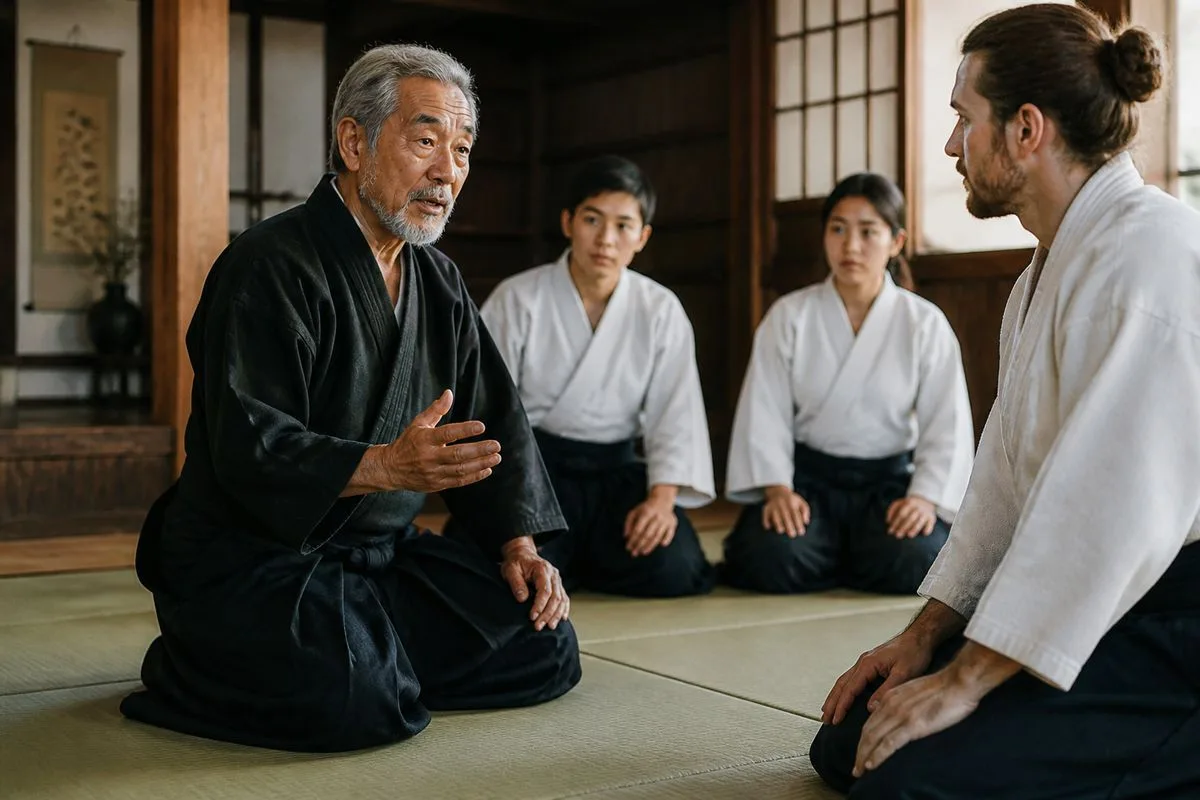
Traditional martial arts respond in two ways. Some double down on heritage, philosophy, and structured progression, which is visible in the source material’s emphasis on masters leading by example and teaching values through action. Others modernise, adding more live sparring, more realistic drills, and cross training elements. The Rock Martial Arts Academy message about authenticity and level based training fits this adaptation story, it positions the school as serious and methodical, not performative.
In 2026, the pressure to adapt is amplified by marketing. When a local academy can label itself “MMA & Self-Defense” and reach new audiences through reels, traditional schools must explain their value proposition more clearly. That does not mean copying MMA, it means being explicit about outcomes, whether that is fitness, confidence, sport competition, or character development.
The self defence debate also evolves. Online comment sections tend to fetishise single techniques, but experienced coaches usually talk about distance, timing, and decision making, which aligns with the rahmanroundhouse framing. That is a sign of maturity in the conversation, even if it is still surrounded by noise.
The Verdict, what to choose if someone searches mixed martial arts kya hota hai in 2026
If the searcher’s priority is the most complete fighting skill set for sport or for understanding all ranges, then MMA is the most direct answer to mixed martial arts kya hota hai. It is designed to integrate striking and grappling, and a good MMA gym will expose a student to the realities of clinch pressure, takedowns, and ground control, areas that pure striking or many traditional programmes may not cover deeply. For adults who want a single programme that feels modern and practical, MMA is usually the best fit, provided the gym has beginner pathways and controlled sparring.
If the priority is structured progression, family friendly training, and a clear syllabus, then traditional martial arts such as taekwondo or karate can be the smarter starting point. The reels in the source material show how large and vibrant these communities are, and the emphasis on masters, values, and level based training speaks to a long term development model. The key is school selection, beginners should look for realistic drilling, appropriate contact, and coaches who can explain how techniques translate under pressure.
If the priority is fast fitness gains and striking confidence, boxing or Muay Thai often deliver the quickest feedback. The self defence comments that favour boxing or Muay Thai reflect a common truth, a few months of consistent striking training can change posture, composure, and conditioning. But for self defence in the broadest sense, it is wise to add grappling later, or choose an MMA gym that includes strong striking coaching. In 2026’s reel driven marketplace, the best decision is not following the biggest view count, it is choosing the environment that matches goals, manages risk, and keeps training sustainable for the next year, not just the next week.
Closing thoughts, how to use social media wisely when picking a gym
Instagram is now a front door to martial arts. The source material shows reels with millions of views, and local academies using the same format to recruit students. That is not inherently bad, it can democratise access and help people discover training they would never have considered. But it also means beginners must become better consumers of information, separating entertainment from education.
The most reliable signals are not cinematic highlights. They are signs of structured coaching, level separation, and a culture that respects progression, the very points emphasised by the academy reel that warns viewers to understand student levels before commenting. Combined with the self defence reminder from rahmanroundhouse that awareness and escape matter, the 2026 lesson is clear: the best martial art is the one that is trained consistently, under good supervision, with goals that match real life.
For anyone still asking “mixed martial arts kya hota hai”, the simplest translation is this: MMA is training for a fight that can go anywhere, standing, clinch, or ground. The smarter follow up is not “which is best”, but “which gym will teach safely, consistently, and honestly”. In a year when reels can make any style look unbeatable, that question is the one that protects both progress and health.