Netflix MMA arrives, and it is not a one off experiment
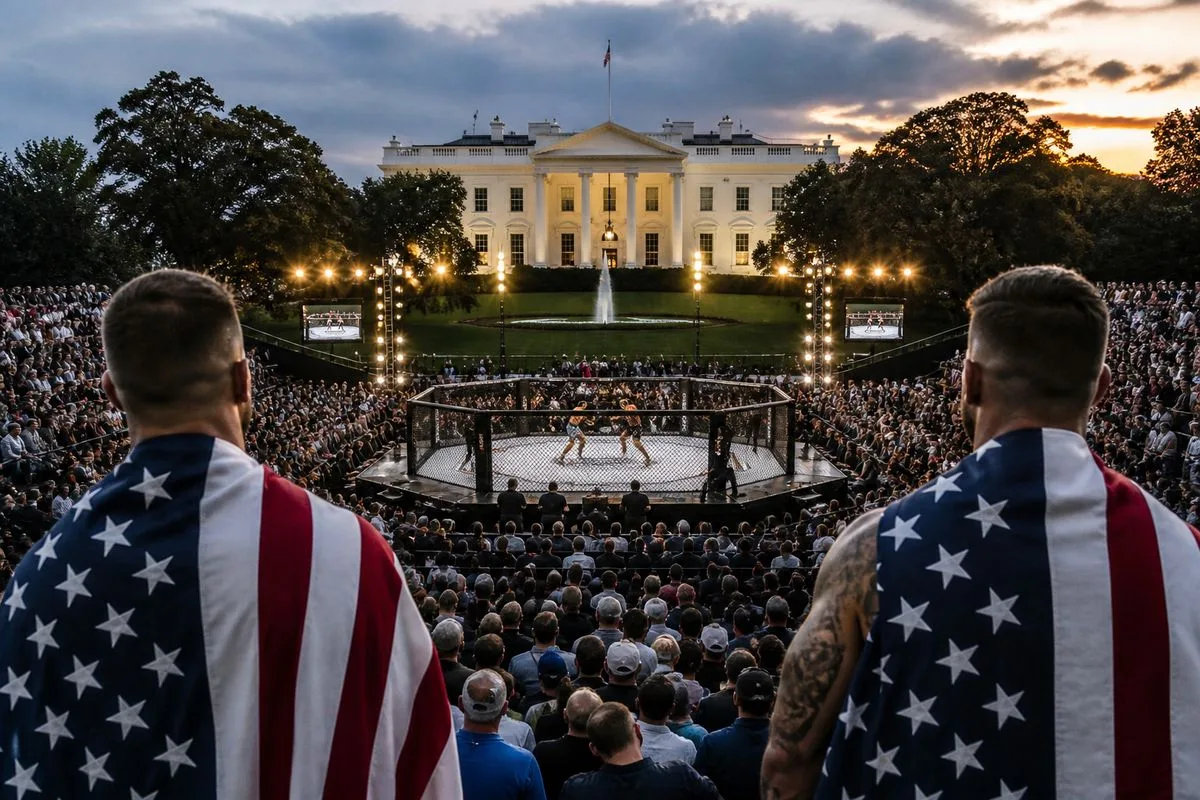
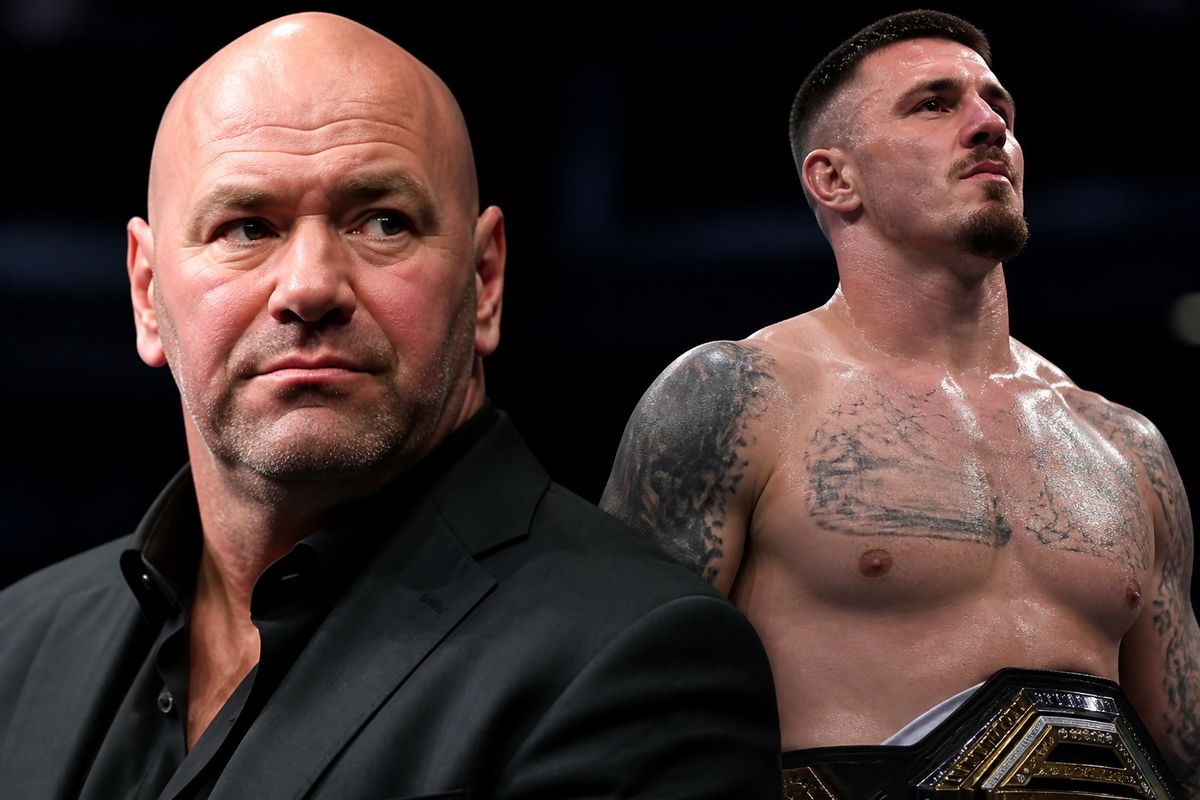
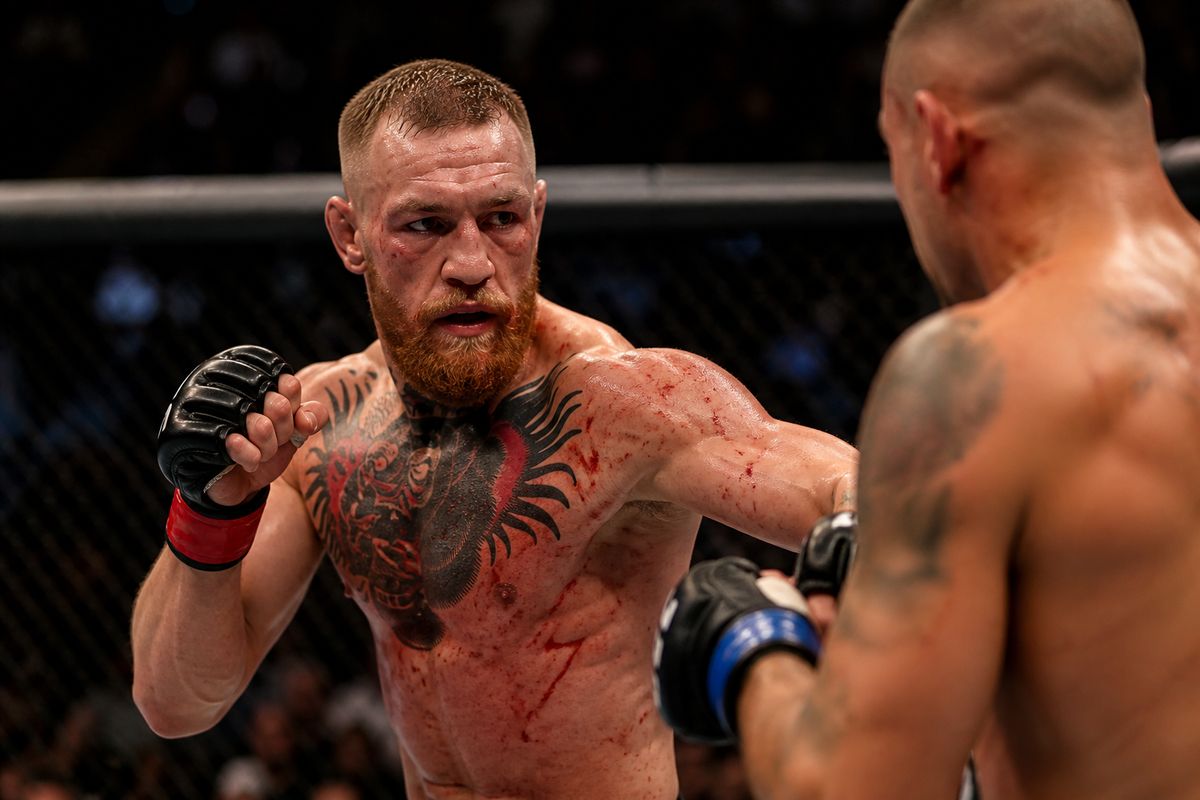
Netflix MMA becomes a real category in 2026, not just a rumour or a rights wish list, when the streamer carries its first live mixed martial arts event, MVP MMA 1: Rousey vs. Carano. The bout is framed as a marquee, nostalgia charged headline fight, and it is also a strategic test of whether Netflix can translate its scale and product discipline into the messy realities of live combat sports.
The available source material is unusually thin on the corporate detail that typically accompanies a major platform move. A primary article from Puck is inaccessible due to a bot protection interstitial, so it does not provide usable reporting. What can be stated with confidence from the supplementary sources is the basic event identity, the distribution set up, and the date: Saturday 16 May 2026, with Netflix as the US broadcast home and YouTube carrying a preliminary card. The promotion is listed as Most Valuable Promotions, commonly shortened to MVP.
That combination, a subscription streaming giant, a combat sports promoter, and a split distribution strategy that uses free video for funnel building, is the real story. The headline fight is the hook, but the business logic is the point: Netflix is learning how to programme live sport without inheriting the full cost structure of a traditional sports network.
Event details: MVP MMA 1 on Netflix, and the mechanics of a streamer led fight night
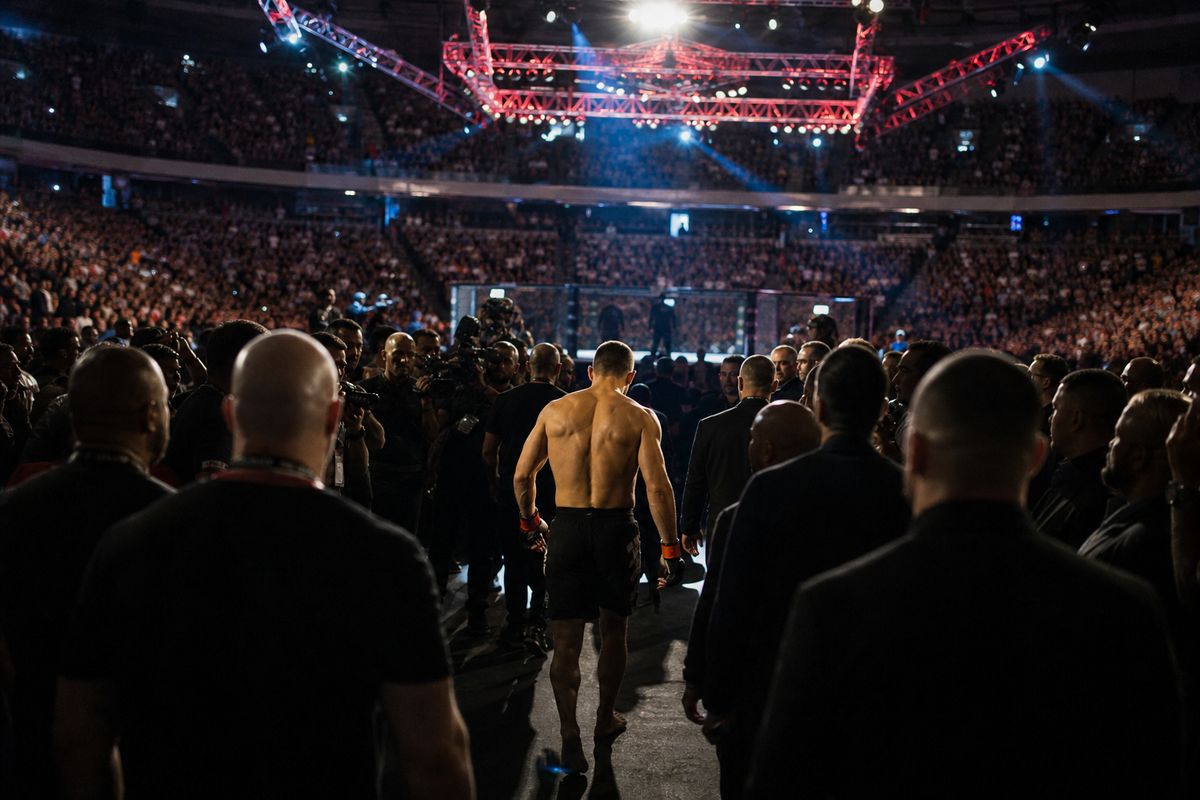
The event is identified across the supplementary sources as MVP MMA 1: Rousey vs. Carano. Tapology lists the date and time as 16 May 2026 at 6:00 PM ET, with Netflix as the US broadcast platform and the preliminary card on YouTube. Wikipedia describes it as the first MMA event produced by Most Valuable Promotions and notes that it aired on Netflix, with live commentary.
Even without confirmed audience figures or revenue disclosures in the provided material, the structure is revealing. A prelims on YouTube approach is a familiar combat sports tactic, used to widen reach, create highlights, and push casual viewers towards the main card. Netflix, however, is not a pay per view outlet in the conventional sense. It is a subscription service, which means the commercial objective shifts from single night buys to retention, re engagement, and customer acquisition.
Netflix also supports the event with an owned media layer. The Netflix Sports YouTube channel publishes fight highlights packages, including a video titled Ronda Rousey vs. Gina Carano FULL Highlights. That matters because combat sports consumption is increasingly highlight led. The platform that owns the highlights pipeline controls the narrative, the discovery loop, and the long tail value of the event.
There is also an early signal of reputational risk. A Reddit discussion in r/netflix dated 17 May 2026 complains about production quality and alleges the fight is scripted. Those claims are not verified in the source material and should not be treated as fact. They do, however, underline a practical reality: live combat sports audiences are unforgiving. If the broadcast looks cheap, if officiating is unclear, or if storytelling feels manufactured, the backlash is immediate and public.
Who is involved: Netflix, Most Valuable Promotions, and the appeal of Rousey vs Carano
Netflix enters the MMA space as a distributor and brand amplifier rather than as a traditional sports rights holder. The streamer has spent years building a global entertainment machine that excels at recommendation, packaging, and marketing. Live sport is different: it is appointment viewing, operationally complex, and judged in real time. The decision to carry an MVP promoted event suggests Netflix is testing a model where it can add live programming without committing to the kind of multi year, multi billion pound rights deals that define football or top tier American leagues.
Most Valuable Promotions is the promotion listed for the event. The sources do not provide financial terms, contract structures, or long term scheduling plans. What is clear is that MVP positions itself as a modern combat sports operator that understands distribution. By placing prelims on YouTube and the main event on Netflix, MVP effectively builds a two stage audience journey: free sampling, then premium viewing inside a subscription environment.
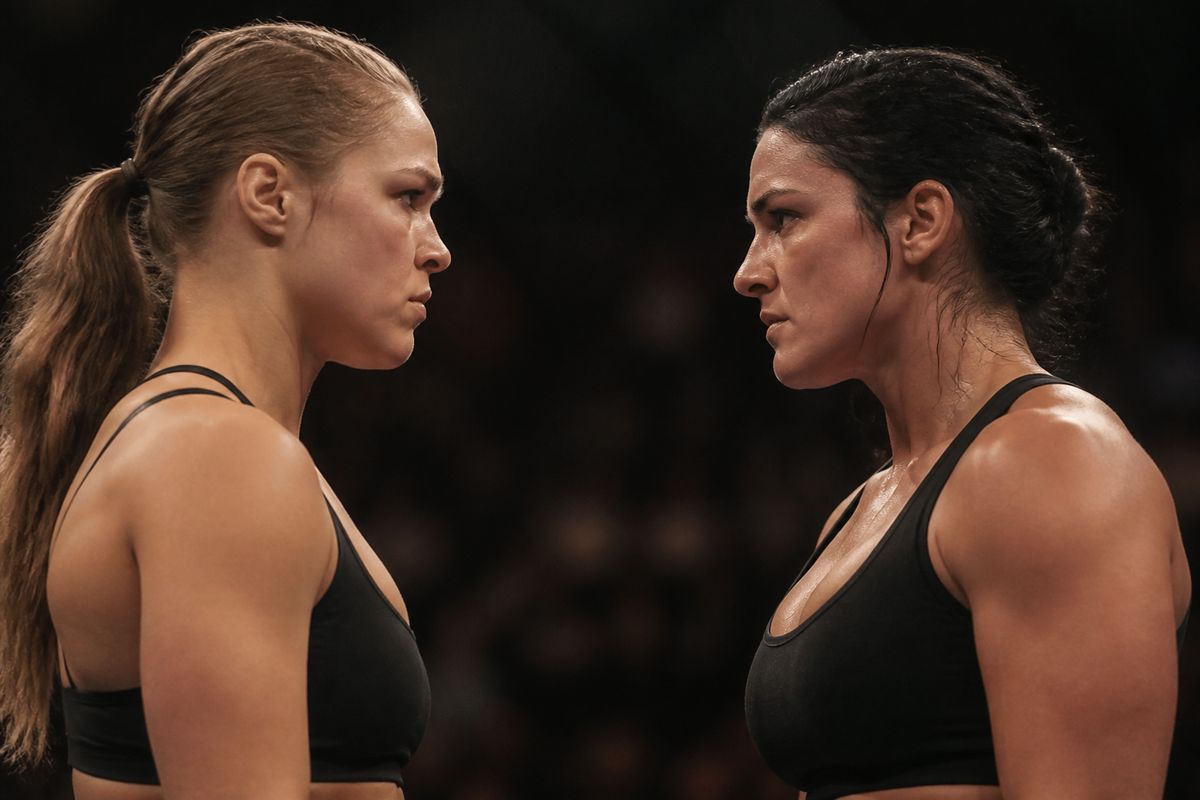
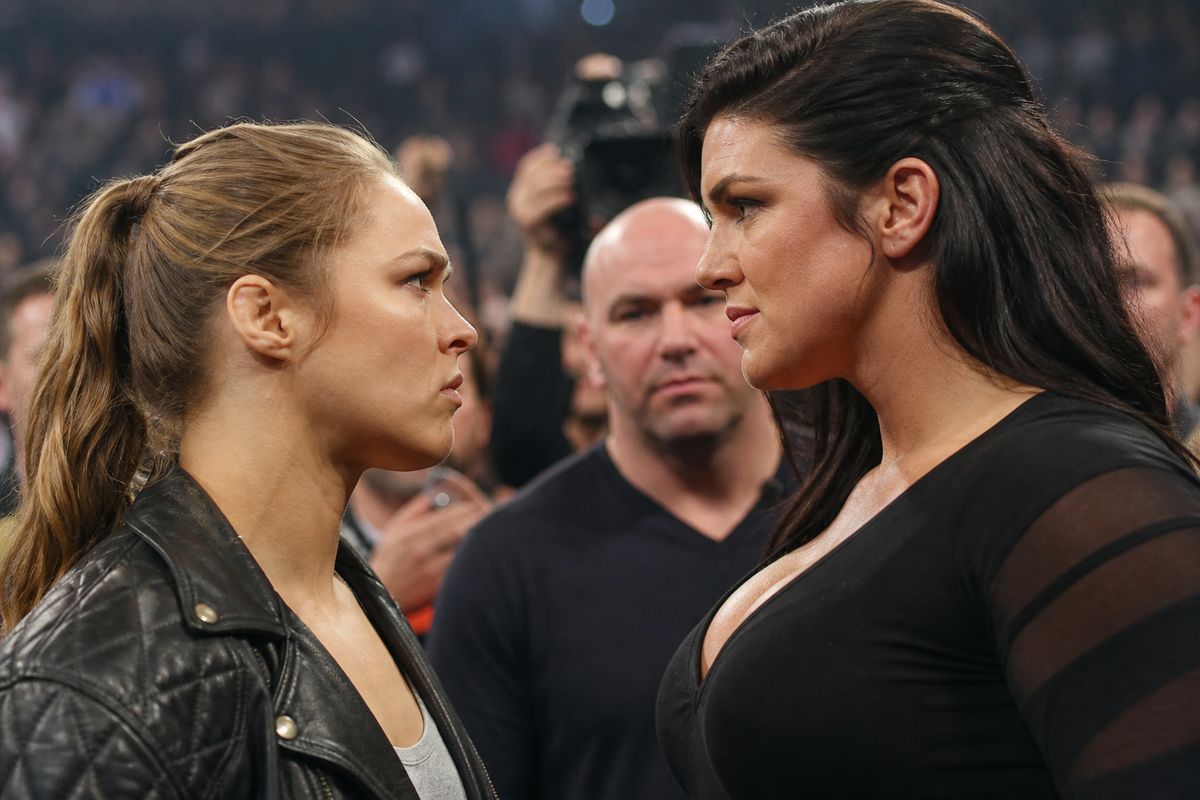
The headline pairing, Ronda Rousey vs. Gina Carano, is designed to travel beyond the hardcore MMA audience. Both names carry mainstream recognition, and the matchup reads like a cultural callback to an earlier era of women’s MMA visibility. The sources do not provide fighter contract details, sanctioning information, or the competitive context of the bout. What can be said is that the pairing functions as a marketing device: it is legible to casual viewers who may not follow current rankings or active rosters.
That is an important distinction for Netflix. A streamer does not need to win the entire MMA market overnight. It needs events that cut through the noise, generate social conversation, and create a reason to open the app on a Saturday night. A recognisable headline fight is a lower friction entry point than a card built around emerging contenders.
Netflix MMA and the streaming playbook: distribution, highlights, and retention economics
Netflix’s core advantage is not simply reach, it is product integration. In a traditional sports model, the broadcast is the product. In a streaming model, the broadcast is a feature inside a broader service, which means success can be measured in multiple ways: reduced churn, increased viewing hours, new sign ups, and even improved brand perception. The sources provided do not include Netflix’s internal metrics for the event, so any claim about performance would be speculative. Still, the strategic intent is readable from the distribution choices.
The YouTube prelims are a classic top of funnel tactic. They create a free on ramp, allow clips to circulate, and provide a testing ground for production formats. For Netflix, they also serve as a marketing channel that does not rely on paid advertising. If the prelims generate interest, the main card becomes a conversion moment, not into a one off purchase, but into a subscription habit.
Highlights matter just as much as the live window. The Netflix Sports YouTube presence indicates a deliberate attempt to own the post event conversation. Combat sports is built on replayable moments, knockdowns, submissions, entrances, and controversy. If Netflix controls the official highlight packages, it can keep viewers inside its ecosystem, or at least inside its marketing orbit, for days and weeks after the event.
There is also a technical and editorial challenge. Live sport exposes weaknesses that scripted entertainment can hide. Latency, audio mixing, camera direction, commentary chemistry, and graphics all become part of the product. The Reddit criticism about production quality, while anecdotal, points to the risk: if Netflix wants Netflix MMA to be a durable vertical, it must deliver a broadcast that feels credible to fight fans, not merely watchable to casual viewers.
Industry impact: what Netflix MMA means for promoters, fighters, and rival broadcasters
For promoters outside the dominant MMA organisations, Netflix represents a potential alternative route to scale. Traditional TV deals are harder to secure, and pay per view economics can be brutal without an established base. A Netflix partnership offers a different value proposition: access to a massive subscriber pool and the possibility of algorithmic discovery. The sources do not confirm whether Netflix is commissioning multiple events, but the very existence of a first event changes negotiating dynamics across the sector.
For fighters, the implications are mixed. A subscription platform can broaden exposure, which can translate into sponsorship interest and personal brand growth. At the same time, the revenue model is less transparent than pay per view, where buys can be tied, at least in principle, to fighter upside. Without disclosed terms, it is impossible to say whether Netflix MMA improves fighter compensation. What can be said is that it shifts the conversation: fighters and managers may increasingly ask for deals that reflect long term content value, not just fight night revenue.

For rival broadcasters and streamers, Netflix’s move is a warning shot. Live sport remains one of the few content categories that reliably creates appointment viewing at scale. If Netflix can make even occasional fight nights feel like cultural events, it pressures competitors to either lock in rights earlier or differentiate through production and community features. It also raises the bar for marketing. Netflix is exceptionally good at turning programming into a moment, and combat sports is already moment driven.
For the wider sports media market, the MVP event illustrates a hybrid future. Not every fight night needs to be behind a paywall, and not every minute needs to be monetised directly. Free prelims can build audience, subscription main cards can monetise through retention, and highlights can extend the lifecycle. That is a different logic from the linear era, where the broadcast window was the primary asset.
Historical context: from pay per view dominance to platform era fight nights
MMA’s modern media history is closely tied to pay per view and cable distribution. The sport’s biggest commercial peaks have often been built on the ability to sell a single night to a mass audience. That model rewards star power and rivalry, and it can be volatile. A subscription platform approach changes the incentives. The goal becomes consistency, frequency, and a steady cadence of events that keep subscribers engaged.
Women’s MMA, in particular, has often been shaped by a small number of mainstream crossover moments. A Rousey vs Carano headline is positioned as a throwback to that era of broad cultural visibility. The sources do not provide a detailed competitive narrative for the matchup, but the promotional logic is clear: it is a recognisable story that can be sold beyond the sport’s core.
There is also a broader entertainment trend at play. Streamers increasingly blend genres, using reality formats, documentaries, and live events to create a 360 degree content loop. The supplementary sources include a Netflix title page for The Arena, categorised under mixed martial arts and competition reality TV. That does not directly confirm a connection to MVP MMA 1, but it signals Netflix’s interest in MMA adjacent programming that can feed audience appetite between live events.
Historically, the platforms that win in combat sports are those that combine distribution with storytelling. In the past, that meant shoulder programming on cable. In the platform era, it means algorithmic promotion, social clips, and a library of related content that keeps viewers in the ecosystem. Netflix is built for that kind of flywheel, if it can execute the live component reliably.
Why It Matters
Netflix MMA is not just another rights deal, it is a test of whether the biggest subscription entertainment service can make live sport feel native to its product. The most underappreciated shift here is where the value is captured. In pay per view, value is captured at the point of purchase. In a subscription model, value is captured through reduced churn and increased engagement, which means the event’s success is measured over weeks and months, not only on the night. That changes how promoters may design cards, how they pace storylines, and how they think about rematches and rivalries.
It also matters because Netflix can industrialise marketing in a way that most sports broadcasters cannot. If Netflix decides to treat fight nights like tentpole releases, it can use in app placement, trailers, push notifications, and cross promotion across genres. That is a distribution advantage that does not require owning an entire league. A single well marketed event can generate the perception that Netflix is becoming a sports destination, even if the schedule is still limited.
Finally, the MVP MMA 1 structure hints at a future where combat sports becomes more modular. Prelims on YouTube are not merely a freebie, they are a discovery engine. Highlights are not merely recap, they are the product that travels. The live main card is the premium moment that anchors the brand. If Netflix and MVP refine this model, it could become a template for other niche or emerging sports that struggle to justify traditional rights fees but can thrive with platform distribution and smart packaging.
Closing thoughts: a debut that raises the stakes for everyone
The confirmed facts are straightforward: MVP MMA 1: Rousey vs. Carano takes place on 16 May 2026, it is billed as the first MMA event produced by Most Valuable Promotions, it airs on Netflix, and it uses YouTube for prelims. Beyond that, the story is about direction of travel. Netflix is experimenting with live combat sports in a way that leverages its strengths, brand scale, marketing, and content ecosystem, while outsourcing much of the sporting apparatus to a promoter.
The early audience reaction signals the challenge ahead. Live sport is judged harshly, and combat sports fans are particularly sensitive to production credibility. If Netflix wants Netflix MMA to become a durable pillar rather than a novelty, it will need to invest in broadcast craft, commentary, and the small details that make a fight night feel legitimate.
Even so, the significance is hard to miss. A streamer that once defined itself against live television is now adopting the most live television genre of all. If Netflix can make fight nights work, it will not just reshape MMA distribution, it will accelerate the broader shift of live sport into subscription platforms where the real competition is not only for viewers, but for time, habit, and cultural attention.