Why “mixed martial arts org nyt” searches spike, and what decision readers are really making
People who type mixed martial arts org nyt are usually trying to answer a practical question, not a philosophical one: is The New York Times treating mixed martial arts as sport, as culture, or as a proxy for something else, and which kind of coverage is worth their attention. In October 2026, that question matters more than it looks, because the most visible New York Times references to MMA in the supplied material are not about a promotion’s rankings, a title fight, or a regulatory scandal. They are about storytelling, specifically a stage production that uses MMA as its engine, and about the wider NYT ecosystem where opinion and culture can shape public perception.
The immediate news development in the source material is the West Coast premiere of “The Monsters” at La Jolla Playhouse, running 2 June to 28 June 2026 at the Mandell Weiss Forum. The play centres on an accomplished, ageing fighter in a local MMA circuit and the sibling relationship that frames his violence, vulnerability, and need for reconciliation. The New York Times is explicitly part of the play’s public narrative, quoted praising the script as “Hypnotic. Engrossing” and noting that the writing “clusters action in tight, muscular scenes”.
This article treats the query like a comparison guide. It compares three ways the NYT brand intersects with MMA and adjacent influence in 2026, based strictly on the provided sources: (1) NYT culture coverage of MMA themed theatre, (2) NYT opinion as a platform for policy adjacent persuasion, and (3) NYT’s role as a cultural reference point in political media ecosystems, illustrated by the Wikipedia sourced profile of Chapo Trap House. The goal is to help readers decide which “NYT plus MMA” pathway best answers what they actually want: sport intelligence, cultural context, or agenda shaping commentary.
Event details: La Jolla Playhouse’s MMA themed “The Monsters” and the NYT angle
La Jolla Playhouse bills “The Monsters” as a humorous, heart mending, action packed story about siblings, with MMA as both setting and metaphor. The production runs 2 June to 28 June 2026 at the Mandell Weiss Forum, with “First Look” preview performances in the first week. The play is written by Ngozi Anyanwu, directed by Tamilla Woodard, choreographed by Adesola Osakalumi, and is co produced with Berkeley Repertory Theatre. Anyanwu also stars, alongside Sullivan Jones, who is credited for HBO’s The Gilded Age.
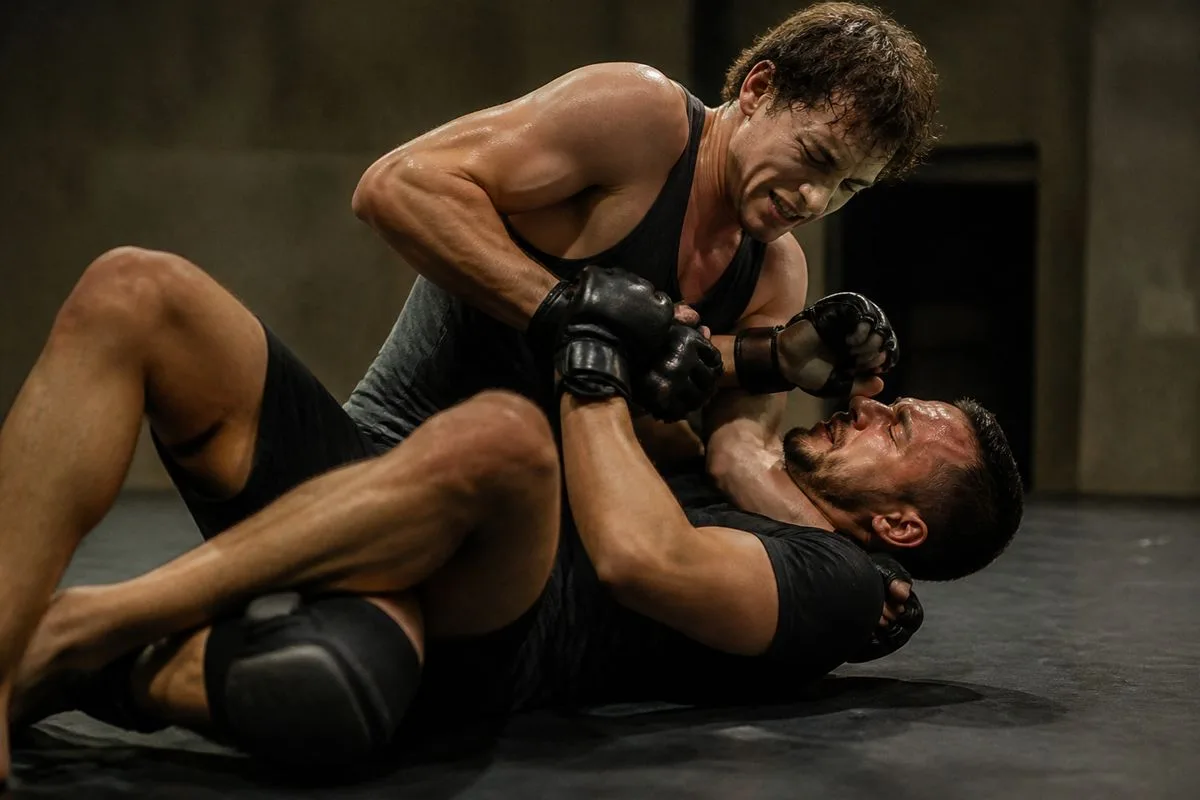
The plot summary is explicit about MMA’s role. The protagonist, BIG, is labelled a monster by the world from his teenage years, but to his sister LIL he is a protector until he leaves unexpectedly. In the present, BIG is “an aging but accomplished force in the local mixed martial arts circuit”, while LIL watches from the shadows, studying “every punch he throws”. When she appears at his door, the fight shifts from physical competition to forgiveness and love. The marketing language makes clear that the show includes “theatricalized depictions of mixed martial arts combat” and is recommended for ages 12 and up, with content guidance that includes strong language and mentions of domestic violence and substance abuse.
The New York Times is positioned as a credibility marker in the promotional framing. Two separate NYT pull quotes are used, including the line describing the script’s “tight, muscular scenes” and the phrase “Anyanwu’s language reaches for the stars within the darkness.” This matters for anyone searching mixed martial arts org nyt because it signals a particular editorial lens: MMA is being treated as material for serious arts criticism, not only as a sport beat. In other words, the NYT connection here is less “organisation” in the sense of a promotion, and more “institution” in the sense of a cultural gatekeeper.
What “mixed martial arts org nyt” can mean in 2026: three NYT adjacent paths
In practice, the keyword phrase is ambiguous. “Org” could be shorthand for a mixed martial arts organisation, a promotion, a gym network, or even a non profit. The supplied sources do not name a specific MMA promotion or governing body being investigated or profiled by The New York Times. Instead, they show three distinct NYT adjacent paths that can still satisfy the intent behind the search, depending on what the reader is trying to accomplish.
Path one is culture, where MMA is a narrative device and the NYT functions as critic and amplifier. “The Monsters” is the clearest example, with MMA choreography and a fighter protagonist, and NYT quotes used to signal artistic legitimacy. Path two is opinion, where the NYT functions as a megaphone for high profile arguments, illustrated here by a LinkedIn activity item referencing Joseph Gordon Levitt’s NYT Opinion tied to the UN General Assembly and “the urgent fight for AI regulation”. MMA is not the topic, but the mechanism is relevant: the NYT Opinion section can move elite conversations quickly, and that same mechanism can apply when the subject is sport regulation, athlete safety, or media rights.

Path three is the NYT as a cultural reference point inside other media ecosystems. The Wikipedia sourced profile of Chapo Trap House includes a note that its book debuted at number six on The New York Times Best Seller list, and that an NYT writer described the show and its hosts as “prime originators of the far left’s liberal bashing.” Again, MMA is not the topic, but it shows how the NYT brand is used as a yardstick for legitimacy, controversy, and reach. For readers, the implication is straightforward: if the NYT touches a subject, even indirectly, it can change how other outlets frame it.
mixed martial arts org nyt, culture lens versus sport lens: what you gain and what you miss
For MMA fans, the biggest risk in following NYT adjacent MMA coverage through culture is that it may not answer sport specific questions. “The Monsters” is set in a local MMA circuit, but the source material provides no fight records, promotions, weight classes, or regulatory details. That is not a flaw, it is the point. The play uses MMA to externalise family dynamics, shame, and the performance of toughness. When the NYT praises the script’s muscular scene construction, it is praising dramaturgy, not judging a fighter’s jab or a promotion’s matchmaking.
What readers gain, however, is something sport coverage often struggles to provide: a credible emotional vocabulary for why people fight and what fighting does to relationships. The play’s framing, BIG as “a monster” to the world but a protector to LIL, mirrors a common public contradiction around MMA. Fans see discipline and craft; critics see brutality. A theatre production can hold both at once, and the NYT’s role as critic can legitimise that complexity for audiences who would never click on a fight recap.
There is also a practical industry angle. Theatre that stages MMA requires choreography, safety protocols, and a translation of cage movement into stage language. The production credits highlight a dedicated choreographer, Adesola Osakalumi, signalling that the physicality is not an afterthought. For the MMA industry, this is a form of brand diffusion: the sport’s aesthetics travel into mainstream arts spaces, potentially widening the audience that sees MMA as something other than a pay per view product. The NYT’s cultural imprimatur can accelerate that diffusion, even when it is not writing about a specific MMA organisation.
Comparison table: three ways NYT influence intersects with MMA adjacent narratives
Readers searching mixed martial arts org nyt often want to know which NYT adjacent content stream will actually deliver value. The table below compares the three pathways evidenced in the provided sources, using concrete details where available and stating clearly where the material is silent.
| Dimension | NYT culture signal, “The Monsters” | NYT Opinion megaphone, policy adjacent | NYT as reference point in political media |
|---|---|---|---|
| What it is | A stage play about siblings, with an ageing MMA fighter at the centre, promoted using NYT pull quotes | An example of NYT Opinion reach, referenced via LinkedIn activity about Joseph Gordon Levitt and AI regulation | NYT used as a legitimacy marker, via Chapo Trap House’s NYT Best Seller list placement and an NYT characterisation |
| Direct MMA information | Low, the MMA circuit is local and unnamed, no records or promotions are provided | None in the supplied material, the example topic is AI regulation | None in the supplied material, focus is political comedy media |
| Best for | Readers who want cultural context, character driven insight into why people fight | Readers tracking how NYT Opinion can shape elite debate, useful by analogy for sport regulation narratives | Readers studying media ecosystems and how NYT status affects what becomes mainstream |
| Concrete details available | Dates, venue, creative team, content guidance, duration estimate of about 80 minutes, no intermission | Only that a team contributed to an NYT Op Ed connected to the UN General Assembly, no further specifics provided | Patreon support figure as of August 2025, episode count, and NYT Best Seller list note for a 2018 book |
Pros and cons: choosing the right “mixed martial arts org nyt” reading path
Because the sources do not document a single MMA organisation being profiled by the NYT, the most honest way to help readers is to lay out the trade offs between the three NYT adjacent pathways that do appear. Each option answers a different version of the same underlying question: what does NYT attention do to MMA, and what does MMA do inside NYT shaped culture.
Option A: NYT culture lens via “The Monsters”
- Pros: Offers a nuanced portrayal of violence and tenderness, with MMA as lived experience rather than spectacle.
- Pros: Provides concrete production details, including run dates in June 2026, venue, and content guidance, useful for audiences deciding whether to attend.
- Pros: Signals mainstream critical validation through NYT pull quotes, which can broaden who feels invited into MMA adjacent stories.
- Cons: Does not identify a real world MMA organisation, promotion, or regulatory body, so it will not satisfy readers seeking sport governance information.
- Cons: The MMA is theatricalised, meaning it is designed for narrative clarity and safety, not competitive realism.
- Cons: The story’s focus on domestic violence and substance abuse themes may be emotionally heavy for some audiences, as the content guidance warns.
Option B: NYT Opinion as a model for agenda setting
- Pros: Demonstrates how NYT Opinion can be used to inject an argument into high level discourse, here framed around AI regulation and the UN General Assembly.
- Pros: Useful for readers thinking about how athlete safety, gambling, or sanctioning debates could be framed if they reach NYT Opinion.
- Pros: Highlights the behind the scenes reality that teams contribute to shaping op eds, as suggested by the LinkedIn activity.
- Cons: The supplied material does not include the op ed text, its claims, or any MMA connection, so it cannot be used to infer NYT positions on MMA.
- Cons: Opinion is not reporting, it is persuasion, and readers seeking factual MMA organisational detail may find it frustrating.
- Cons: Without the full piece, the example remains a signal of platform power rather than evidence of specific outcomes.
Option C: NYT as legitimacy marker in political media ecosystems
- Pros: Provides measurable indicators of reach and influence, including the Wikipedia cited Patreon support figure for Chapo Trap House as of August 2025.
- Pros: Shows how NYT recognition, such as a Best Seller list placement, can be used as cultural currency even by outlets critical of mainstream media.
- Pros: Helps readers understand the feedback loop, NYT coverage shapes what other media reacts to, and those reactions can shape what the NYT covers next.
- Cons: It is two steps removed from MMA, and will not satisfy readers who want a directory of MMA organisations or NYT investigations into them.
- Cons: Wikipedia summarises, it does not provide the full nuance of the NYT’s original characterisation or the broader reporting context.
- Cons: The relevance is conceptual, about media power, rather than directly practical for following fights.
Industry analysis: what NYT adjacent cultural coverage does to MMA’s mainstream positioning
Even without a named MMA promotion in the sources, the June 2026 staging of “The Monsters” offers a clear signal about where MMA sits in the cultural hierarchy. A major regional theatre, co producing with Berkeley Repertory Theatre, invests in a story that treats MMA as a credible setting for family drama. The production also foregrounds choreography as a key creative discipline, implying that fight movement is being curated with the same seriousness as dance or stage combat in classical theatre.
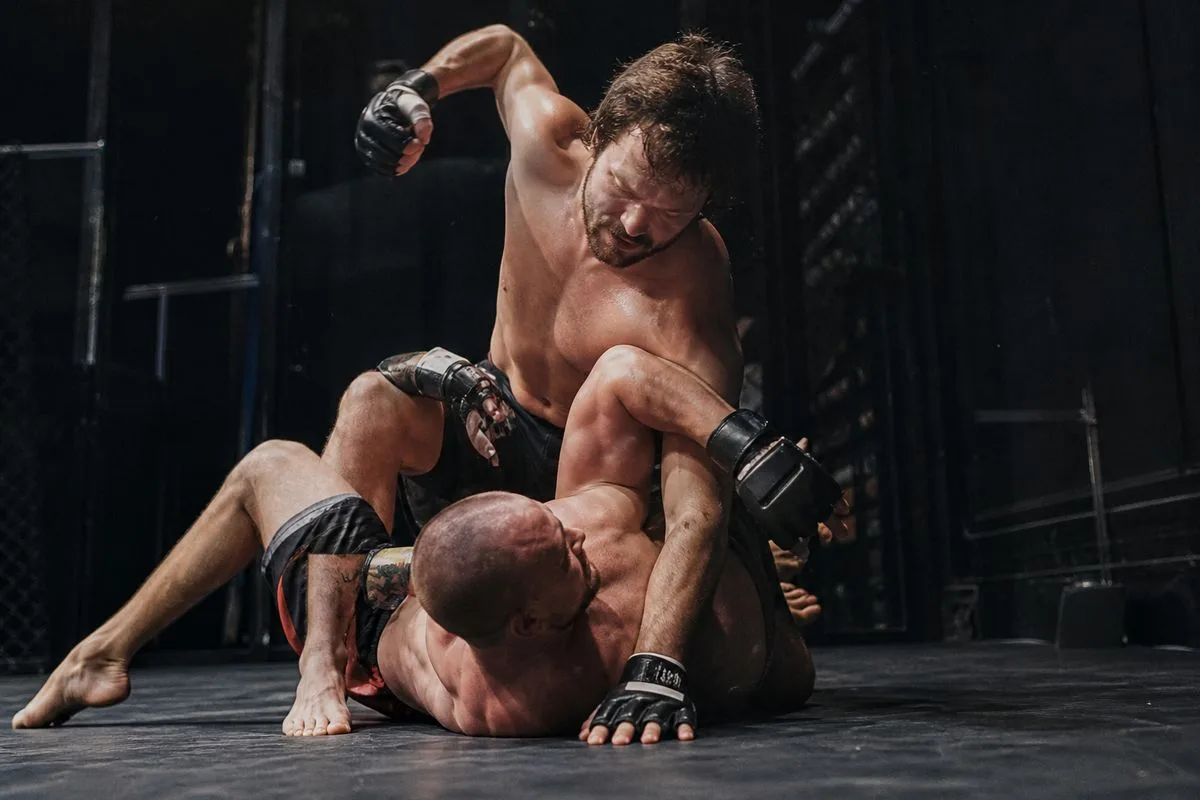
For the MMA industry, this kind of cultural translation can be more consequential than a single match report. It changes the default audience. Someone who has never watched a bout can still understand the emotional grammar of training, surveillance, and estrangement when LIL studies every punch BIG throws. The NYT’s quoted praise functions as a bridge for that audience, telling them this is not niche genre work, it is serious writing and performance. That, in turn, can soften resistance among cultural institutions that have historically treated combat sports as low status entertainment.
There is also a reputational risk embedded in the same move. The play’s content guidance explicitly includes domestic violence and substance abuse references. That does not mean MMA causes those issues, and the source material does not claim it does. But it does show how MMA stories can be used to explore trauma and harm. If NYT adjacent cultural coverage repeatedly pairs MMA with damage narratives, the sport may find itself fighting a perception battle even when the reporting is not about any organisation’s conduct. The industry’s challenge is to engage with these stories without demanding propaganda, and to recognise that cultural legitimacy often comes with uncomfortable themes.
Historical context and comparisons: from NYT Best Seller lists to MMA on stage
The supplied material offers a useful comparison point in how the NYT confers status across domains. In the Wikipedia profile of Chapo Trap House, the show’s 2018 book is noted as debuting at number six on The New York Times Best Seller list. The same profile notes an NYT writer describing the show as “prime originators of the far left’s liberal bashing.” The details are not about MMA, but the pattern is instructive: the NYT can simultaneously legitimise, criticise, and amplify a cultural product, and the product can then use that attention as proof of relevance.
“The Monsters” follows a similar dynamic, but in theatre. The NYT pull quotes are deployed as a stamp of quality, and the San Diego Union Tribune and other outlets are also quoted calling the show a winner. The play’s marketing language suggests it is both entertaining and emotionally charged, and the NYT’s phrasing about “tight, muscular scenes” is particularly resonant because it borrows the language of bodies and force that MMA audiences recognise. That rhetorical overlap is part of the cultural bridge, it makes theatre criticism feel less alien to fight fans, and makes MMA feel less alien to theatre goers.
Meanwhile, the LinkedIn snippet about Joseph Gordon Levitt’s NYT Opinion presence illustrates a third historical thread: the NYT as a platform where celebrities and creators can attempt to shape policy narratives, in that case around AI regulation. Again, the source does not provide the op ed’s content, so no claims can be assessed here. But it does show that the NYT’s influence is not confined to reporting. For MMA, which regularly intersects with regulation, athlete welfare, and technology, that matters. When debates about safety rules, judging, or data rights reach the NYT Opinion ecosystem, they can become part of broader governance conversations rather than remaining inside sport media.
The Verdict: what to read, watch, or follow when searching “mixed martial arts org nyt”
The most accurate conclusion from the provided sources is that there is no direct, source backed evidence here of a specific mixed martial arts organisation being profiled or investigated by The New York Times. Anyone searching mixed martial arts org nyt expecting a named promotion, a sanctioning body, or a corporate structure breakdown will not find it in this material. What they will find is a clear picture of how the NYT brand intersects with MMA adjacent narratives in 2026, especially through culture.
For readers who want the most MMA relevant NYT adjacent content in the sources, Option A, the culture lens via “The Monsters”, is the best match. It is explicitly MMA themed, it provides concrete dates and creative leadership, and it shows how NYT critical language is used to frame MMA stories as serious art. For readers who are less interested in MMA itself and more interested in how NYT platforms shape public agendas, Option B, the Opinion megaphone model, is the better conceptual guide, even though the example topic is AI regulation rather than sport.
For readers trying to understand the broader media ecosystem, including how the NYT functions as a legitimacy marker even for outlets that define themselves against mainstream media, Option C offers the clearest illustration. It is not an MMA guide, but it is a reminder that the NYT’s influence is often indirect. In 2026, the most consequential NYT impact on MMA may not come from a single fight report, it may come from the way the institution frames combat, masculinity, harm, and redemption in the cultural imagination. That is exactly the terrain where “The Monsters” is operating.
Closing thoughts: why this NYT adjacent MMA moment is worth attention
MMA’s mainstream journey has often been told through regulation milestones, broadcast deals, and star fighters. The June 2026 run of “The Monsters” at La Jolla Playhouse suggests another route is accelerating in parallel: institutional culture. When a major theatre stages an MMA centred story, and when NYT pull quotes are used to validate the writing’s power, the sport’s imagery and emotional stakes become portable. They can move into spaces where audiences are primed to think about family, trauma, and forgiveness, not just winners and losers.
For the reader behind the search term mixed martial arts org nyt, the practical takeaway is to be clear about intent. If the goal is organisational intelligence, the supplied sources do not provide it. If the goal is to understand how the NYT ecosystem shapes the way MMA is perceived, then the answer is already visible: in 2026, the NYT’s most explicit MMA adjacent footprint in this material is cultural, and it is being used to frame a fighter’s story as a human story. That framing can be as influential as any headline bout, because it changes who feels authorised to talk about MMA, and what they think it means.