The Ruling: Green Light for UFC on the South Lawn
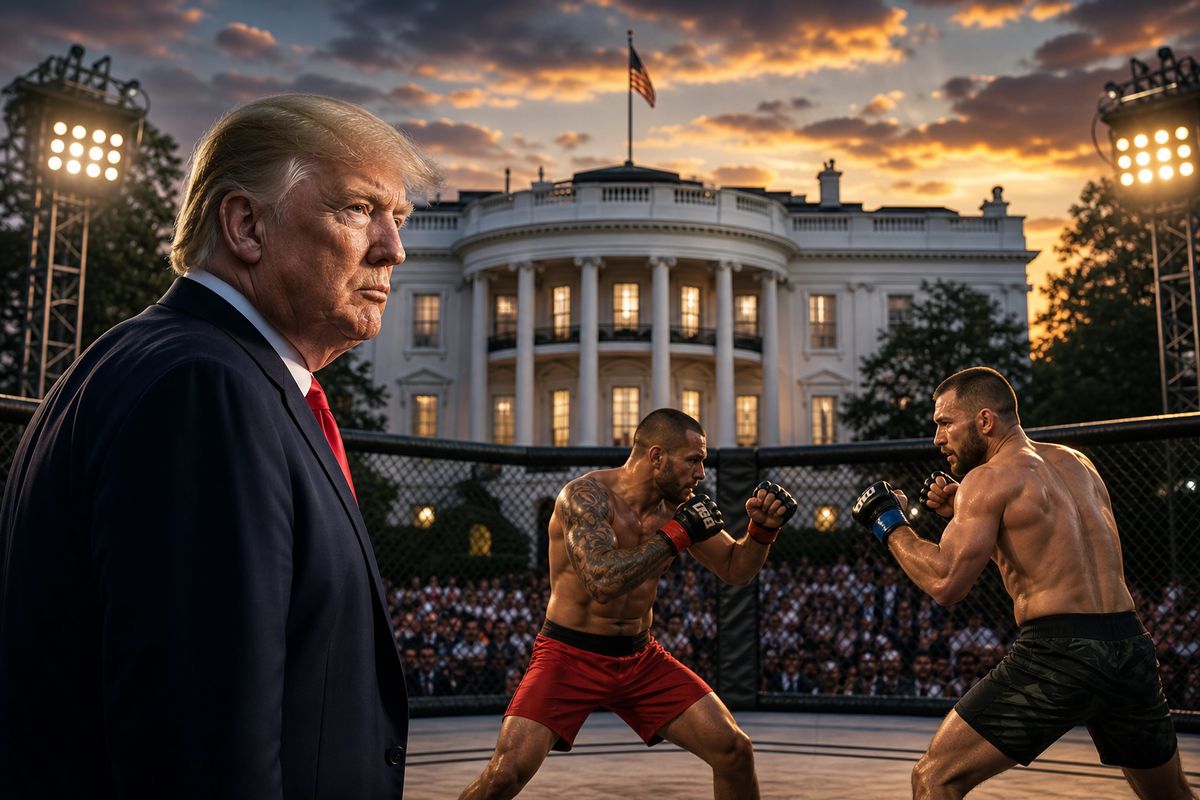
In an extraordinary legal development, a federal judge has ruled that President Donald Trump can proceed with staging Ultimate Fighting Championship (UFC) bouts on the White House South Lawn this weekend. The decision, reported by multiple news outlets, clears the way for what has been dubbed 'UFC Freedom 250' — a mixed martial arts event coinciding with the president's 80th birthday. The ruling overturns an initial objection from the District of Columbia government, which had cited zoning and security concerns. While full details of the judge's opinion remain sealed under a temporary order, the green light represents one of the most unusual uses of the presidential residence in modern history.
The event is expected to feature several high-profile fights, though the exact card has not been officially confirmed as of press time. The headline 'Freedom 250' likely references both the 250th anniversary of American independence (due in 2026) and a symbolic number for the president's age milestone. According to a separate report covering '7 key moments' from the event, organisers plan to include a tribute to military veterans and a live performance by a yet-unnamed country artist. The spectacle has already generated intense debate about the mixing of sport, politics, and taxpayer-funded property.
UFC Freedom 250: What We Know So Far
While the precise fight card has not been publicly released, reports suggest that the South Lawn will be transformed into a temporary octagon — the signature eight-sided cage used in UFC competitions. The event, scheduled for this Saturday evening, is expected to draw a crowd of several hundred VIP guests, including members of Congress, business leaders, and athletes. A separate story detailing the 'eye-watering cost' of the event estimates the total price tag could exceed $20 million, factoring in enhanced security, stage construction, insurance, and overtime pay for federal employees. The figure, if accurate, would make this one of the most expensive single-day events ever held at the White House.
The choice of venue is unprecedented. The South Lawn has previously hosted state dinners, concerts, Easter egg rolls, and ceremonial landings of Marine One, but never a full-contact combat sports event. In 2011, President Barack Obama hosted a basketball court on the South Lawn for a pickup game with NBA players, but that was non-competitive. The UFC, known for its hard-hitting bouts and celebrity following, has long sought closer ties with political power. President Trump has been a vocal fan of the organisation, appearing at UFC events and counting company president Dana White among his confidants. Saturday's event is expected to include a ceremonial belt presentation to the president during the main event.
The Legal Battle: Can the President Stage a Combat Sports Event on White House Grounds?
The legal dispute centred on whether the White House, as a federally designated historic landmark and executive office, could host a commercial sporting event. The District of Columbia argued that the event violated local noise and zoning ordinances, and that the organisers lacked a special events permit. President Trump’s legal team countered that the White House grounds are federal property and thus exempt from local regulations under the Supremacy Clause. The judge sided with the administration, ruling that the president has broad discretion over the use of the premises, so long as no immediate safety threat is demonstrated.
Legal experts are divided on the precedent. Some argue that the ruling opens the door to any president using the White House as a venue for private, for-profit events — a potentially slippery slope. Others note that the Hatch Act, which restricts political activity by federal employees, does not apply to the president himself, and that the event can be framed as a private birthday celebration rather than an official state function. However, the involvement of UFC — a billion-dollar commercial enterprise — raises questions about whether the president is deriving personal benefit from the use of public land. The White House press secretary has stated that all proceeds from ticket sales will go to a veterans' charity, though no independent audit has yet been announced.
Political and Security Implications
The security logistics alone are staggering. The United States Secret Service, which handles White House security, must now integrate a live combat sports event into its protective arrangements. This includes screening hundreds of guests, monitoring for potential threats in a far more dynamic environment than a typical reception, and coordinating with local law enforcement for traffic control. The South Lawn will be enclosed by temporary barriers, and the public will be restricted from adjacent areas. Critics argue that the event diverts resources from other security missions and sets a dangerous precedent for using the White House as a entertainment complex.
Politically, the event is expected to deepen existing divides. Supporters view it as a bold, populist gesture that honours the president’s fan base and showcases American toughness. The UFC fan base skews conservative and male — a key demographic for the president. Opponents, including several Democratic lawmakers, have called the event a 'national embarrassment' and vowed to introduce legislation prohibiting future commercial use of the White House grounds. The District of Columbia’s mayor has expressed disappointment with the ruling and hinted at a possible appeal. The event also carries international implications: foreign diplomats stationed in Washington may view the spectacle as unbecoming of the world's most powerful office, while others may see it as a sign of America's unapologetic cultural confidence.
The Cost of Spectacle: Financial Considerations
The headline figure of $20 million for 'UFC Freedom 250' — if accurate — raises serious questions about who foots the bill. According to the report on 'eye-watering cost', the bulk of expenses come from security overtime, setup and teardown of the octagon and seating, temporary lighting and sound systems, and insurance premiums for a high-risk event. The White House has stated that the UFC will cover all direct costs, but analysts note that many costs — such as the salaries of Secret Service agents who would be on duty anyway — are hard to separate. A government watchdog group has already filed a Freedom of Information request to obtain itemised expenses.
Comparatively, the cost of the average state dinner is around $500,000, while the annual Easter Egg Roll runs about $1 million. A $20 million price tag would be forty times larger than the most expensive typical White House event. If taxpayers end up shouldering even a fraction of that amount, the event could become a campaign issue. President Trump has a history of holding large-scale celebrations at his private properties, often leading to ethics complaints. This event, by taking place at the White House itself, blurs the lines between public office and private interest even further. The UFC, for its part, gains worldwide publicity and a unique branding opportunity — the South Lawn backdrop is arguably the most prestigious venue a fight promoter could secure.
What’s Next? Precedent, Reactions, and the Future
The immediate aftermath of the event will likely feature a flurry of legal challenges and congressional inquiries. Even if the fights proceed without incident, the ruling will be cited in future disputes over White House usage. Future presidents — whether Republican or Democrat — may cite this precedent to host everything from NASCAR races to esports tournaments. The elastic interpretation of executive power over federal property could fundamentally alter the character of the White House, transforming it from a working government building into a multi-purpose entertainment venue. Some legal scholars predict that Congress will step in with legislation to restrict commercial events, though any such bill would face a presidential veto.
Public reaction will be a key barometer. Early polling reported by one of the source outlets shows a sharp partisan split: 70% of Republicans approve of the event, while 85% of Democrats disapprove. Among independents, opinion is evenly divided. The event could boost Trump’s popularity with his base heading into the next election cycle, but it also risks energising opposition. For the UFC, the partnership with the presidency may enhance its mainstream legitimacy — or alienate fans who prefer the sport to stay apolitical. The organisation has already faced criticism over fighter pay and safety; a high-profile White House event could turn a spotlight on those issues as well.
Conclusion: A New Chapter in Presidential Entertainment
The decision to allow UFC fights on the South Lawn marks a significant departure from tradition, reflecting the Trump administration’s willingness to challenge norms and blend entertainment with governance. While the event is still days away, the legal and political ripples will be felt long after the final bell. The 'UFC Freedom 250' — whether viewed as a historic celebration or a vulgar spectacle — underscores the evolving relationship between sport, politics, and public space in the United States. As the world watches the octagon erected on the most famous lawn in America, one thing is certain: the presidency has never looked quite like this.