Dana White Addresses UFC’s Stance on Pride Nights and Gay Fighters
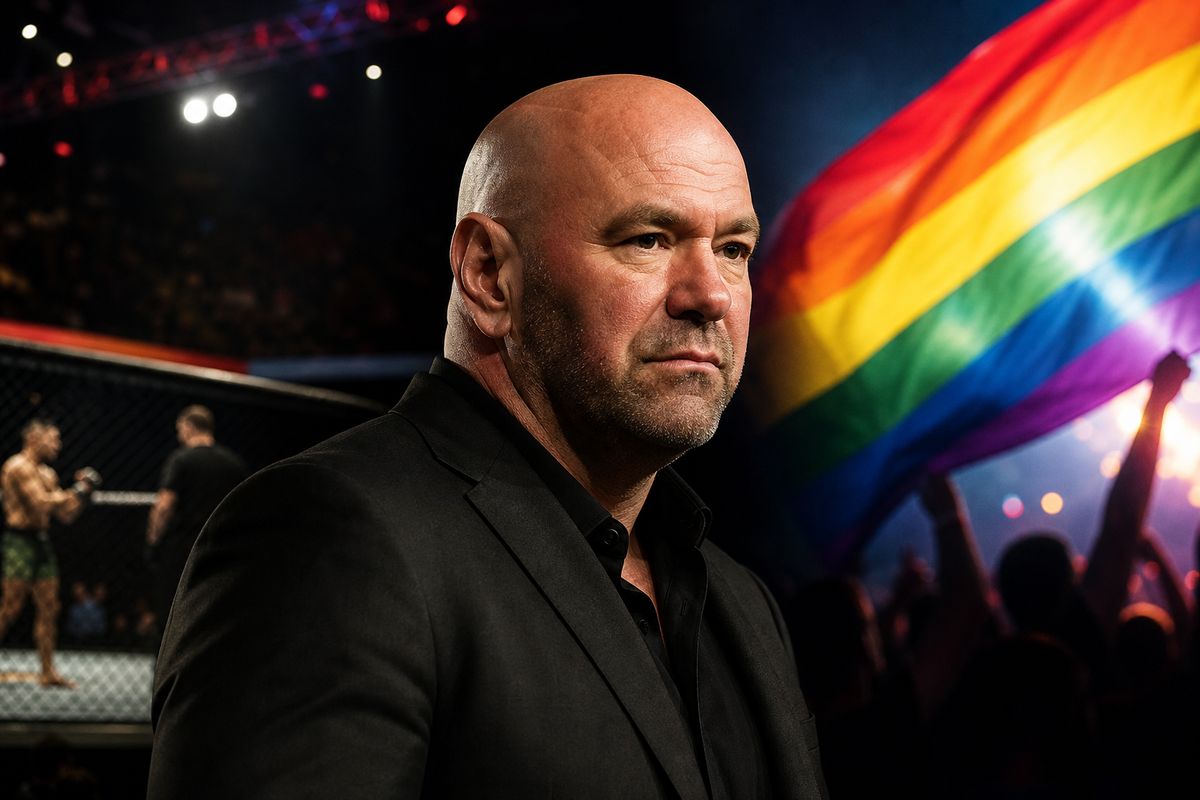
The Ultimate Fighting Championship (UFC) president Dana White has made headlines once again, this time for his candid remarks about the promotion’s position on Pride Night events and the presence of LGBTQ+ athletes in the organisation. Speaking to reporters, White stated that the UFC will not host a dedicated Pride Night, explaining that he prefers to ‘stay in my lane’ when it comes to social and political causes. He also acknowledged that he assumes the UFC roster includes gay fighters, adding a layer of nuance to a conversation that has divided the combat sports world.
The comments, reported by MMA Fighting, MMA Mania, and boxingnews.com, have sparked debate about the UFC’s role in promoting inclusivity versus maintaining its focus on sport. White’s remarks come at a time when major professional sports leagues in the United States and around the world have embraced Pride Nights as a fixture of their regular seasons, making the UFC’s refusal to follow suit a notable outlier. While White did not elaborate on specific policies regarding gay fighters, his admission that he believes there are gay competitors within the organisation raises questions about how the promotion supports—or fails to support—LGBTQ+ athletes behind the scenes.
What Dana White Actually Said About Pride Nights
According to the three news sources that covered the story, Dana White offered a blunt assessment when asked about the possibility of the UFC hosting a Pride Night. He reportedly said he wants to ‘stay in my lane,’ indicating that he sees the UFC’s primary purpose as a fighting promotion rather than a platform for social activism. White’s position is consistent with his long-standing philosophy that the UFC should avoid mixing sports with political or cultural statements, a stance he has repeatedly taken on issues ranging from fighter protests to sponsorship controversies.
White also acknowledged that he does not know for certain how many gay fighters compete in the UFC, but he assumes there are some. ‘I’m assuming we have some gay fighters,’ he said, according to the reports. This admission, while seemingly simple, is significant because it marks one of the few times White has publicly addressed sexual orientation within the UFC. The organisation has historically been silent on LGBTQ+ representation, and no active UFC fighter has ever come out as gay while competing in the promotion. The lack of openly gay fighters in a sport as prominent as mixed martial arts has long been a point of criticism from advocates of diversity and inclusion.
Dana White: The Longtime Face of the UFC
To understand the weight of White’s comments, it is essential to consider his role and influence. Dana White has been the president of the UFC since 2001, when he and the Fertitta brothers purchased the struggling organisation for $2 million. Under White’s leadership, the UFC grew from a niche spectacle into a global sports powerhouse, securing broadcast deals with ESPN and selling for $4 billion in 2016 to Endeavor. White’s brash, unfiltered communication style has made him one of the most recognisable executives in sports, but it has also landed him in controversy over the years.
White has faced criticism for his handling of fighter pay, domestic violence incidents involving athletes, and his sometimes dismissive attitude toward social issues. His comments on Pride Nights fit into a broader pattern of the UFC stepping away from politically charged events. For example, the UFC has not participated in the NFL’s ‘My Cause My Cleats’ initiative or the NBA’s social justice campaigns to the same extent as other leagues. White’s philosophy is pragmatic: keep the focus on fighting, avoid alienating any segment of the fan base, and let the action in the Octagon speak for itself.
The UFC’s Relationship with the LGBTQ+ Community
While the UFC has never officially endorsed Pride events, it has had some LGBTQ+ involvement at the grassroots level. The promotion has featured transgender athlete Fallon Fox in its early days (though Fox fought outside the UFC), and a handful of fighters have expressed support for LGBTQ+ rights. However, no active UFC fighter has identified as gay, and the promotion has never promoted an openly gay fighter in a headline bout. This contrasts with other combat sports organisations such as Bellator, which has had openly gay fighters like Amanda ‘The Lion Huntress’ Nunes’s wife Nina Ansaroff, though Ansaroff is not gay. (Nunes is openly gay and competed in the UFC, coming out after her career began.)
In fact, two of the UFC’s biggest stars—Amanda Nunes and Cris ‘Cyborg’ Justino—are both openly gay women, but Nunes has stated that her sexuality is not something the UFC markets heavily. The promotion’s reluctance to centre Pride Nights may stem from a fear of alienating conservative audiences, which make up a large portion of the fan base. White’s comments suggest he believes the UFC’s core product—mixed martial arts—should not be politicised, even if that means forgoing events that other leagues embrace.
Pride Nights in Professional Sports: A Growing Trend
Pride Nights have become a staple of major sports leagues in North America and beyond. The National Football League (NFL) launched official Pride initiatives in 2021, and teams across the league host dedicated games with rainbow-themed merchandise and community outreach. Major League Baseball (MLB), the National Basketball Association (NBA), and the National Hockey League (NHL) all have annual Pride celebrations, often including special jerseys, on-field ceremonies, and donations to LGBTQ+ organisations. Even English Premier League football clubs participate in Rainbow Laces campaigns.
The rationale behind these events is twofold: to signal inclusion to LGBTQ+ fans and athletes, and to align with corporate diversity, equity, and inclusion (DEI) goals. For many leagues, Pride Nights are a standard part of the season calendar, and failing to host one can attract negative press. The UFC’s decision to opt out places it in a minority of major sports properties that do not hold such events. White’s ‘stay in my lane’ argument echoes a sentiment sometimes expressed by traditionalists who argue that sports should remain apolitical, but in practice, nearly every league makes some form of cultural statement—whether through military tributes, racial justice campaigns, or cancer awareness nights.
“Stay in My Lane”: What It Means for UFC’s Brand and Inclusivity
Dana White’s choice of words—‘stay in my lane’—reveals a deliberate strategy to keep the UFC free from the culture wars that have engulfed other sports. By refusing to host a Pride Night, White is signalling that the UFC will not take a side in the ongoing debate over LGBTQ+ rights in sports. This approach has its supporters, who argue that the Octagon should be a neutral space where only skill and heart matter. Critics, however, contend that neutrality is itself a political stance—one that prioritises the comfort of a presumed straight, male audience over the visibility and safety of LGBTQ+ participants and fans.
The lack of a Pride Night could also affect the UFC’s ability to attract and retain LGBTQ+ talent. While White assumes there are gay fighters in the organisation, a fighter may feel less inclined to come out publicly if the promotion does not actively create an inclusive environment. In other sports, the presence of Pride Nights and visible allyship has been linked to higher rates of athlete disclosure. For example, the NFL saw its first active player come out as gay in 2021 (Carl Nassib), and the NBA has had several openly gay former players. The UFC’s silence may perpetuate a culture of closeting for fear of backlash or lost opportunities.
The Impact on the Combat Sports Industry
The UFC’s position on Pride Nights is likely to influence other mixed martial arts promotions and combat sports organisations. Smaller promotions such as ONE Championship and Bellator have shown more willingness to embrace LGBTQ+ themes, but the UFC remains the industry leader. If the largest promotion does not endorse Pride Nights, it sets a precedent that could make other organisations hesitate. Conversely, the UFC’s stance could also invite renewed pressure from advocacy groups and sponsors. The UFC has lucrative partnerships with companies like Bud Light, which has itself faced backlash over LGBTQ+ marketing. Any direct confrontation between sponsor expectations and White’s policies could shape future decisions.
In the long term, the UFC may find itself out of step with younger, more diverse audiences who expect sports organisations to take clear stands on inclusion. White’s ‘stay in my lane’ approach worked well when the UFC was fighting for legitimacy against boxing and mainstream media, but as the sport matures, the demands on its cultural footprint grow. Whether the UFC will eventually host a Pride Night remains uncertain, but White’s comments signal that it is not a priority under his watch.
What Comes Next for the UFC and LGBTQ+ Inclusion
Dana White’s remarks have put the UFC’s inclusivity record back under the microscope. While he has acknowledged the existence of gay fighters within the roster, the organisation has not announced any new policies to support them. The ball is now in the court of the fighters themselves, the fan base, and the media to decide whether the status quo is acceptable. Some will argue that the UFC should not be forced to adopt Pride Nights if it does not align with its brand; others will insist that silence is complicity.
For now, the UFC continues to operate as it always has—focused on the fights, not the flags. But as the sports world evolves, the pressure on White and the UFC to reconsider may grow. The conversation around LGBTQ+ inclusion in combat sports is far from over, and Dana White’s words have ensured that the debate will continue.